
If you’re working in gas, plumbing or domestic electrics in England and Wales, getting registered with the right Competent Person Scheme or body is essential so you can legally self‑certify notifiable work, prove Building Regulations compliance and reassure customers. This article walks through the practical steps to register in each trade and explains how Logic4training’s gas, plumbing and electrical courses help you meet those requirements.
TL;DR
- You need recognised trade‑specific training first (gas, plumbing/hot water, or electrics), then real‑world jobs to form a portfolio before you apply.
- Gas engineers follow an ACS route and then apply to the Gas Safe Register.
- Plumbers should hold a plumbing level 2 or 3 NVQ, a hot water systems & safety qualification, as well as water regulations qualifications, before applying to a scheme such as APCH.
- Electricians should hold an electrical level 3 NVQ, plus a level 3 inspection and testing qualification, before they can apply to a competent persons scheme like NICEIC.
- Schemes and registers generally check your qualifications and have a probation period before approving you to self‑certify work.
Start with your trade and scope
Before you look at schemes, you need to be clear about what you actually want to register for.
Most readers will fit into one or more of these groups:
- Gas engineers and heating installers
- Plumbers and hot water/heating installers
- Domestic or full Electricians.
Your chosen trade and scope will decide:
- Which body you must or should join (Gas Safe, an electrical CPS provider, or a building services scheme that covers plumbing/heating)
- The qualifications and assessments you need
- The portfolio of work you must have ready for inspection.
If you are still planning your way into the industry, it is worth reading:
- Retrain as a Plumber in 2026: Everything You Need to Know
- Retrain as a Gas Engineer in 2026: Everything You Need to Know
- Retrain as an Electrician in 2026: Everything You Need to Know
These articles explain the main training routes and how they connect to professional registration.
Understand how CPS and registration fit into the rules
We will keep the context brief here and focus instead on the “how to” side as we have gone into more detail on this topic in our Complete guide to Competent Person Schemes but essentially, across gas, plumbing and electrics in England and Wales:
- Certain types of work are “notifiable” under the Building Regulations.
- You either notify that work through local authority building control, or you self‑certify it through an authorised scheme or register once you are a member.
- To join, you must show that you are competent, adequately insured and working to current standards, with real jobs to prove it.
The rest of this article explains what that looks like in practice for each trade, followed by shared tips, mistakes to avoid and FAQs.
How plumbers can register with a CPS
Plumbing and hot water installers may not always think in terms of “CPS” in the same way electricians do, but many types of work they carry out are notifiable under the Building Regulations. Examples include some hot water systems, certain heating installations and work in specific locations.
While schemes and brands vary, the pattern is similar: you must prove your competence, qualifications and experience before you can self‑certify the relevant work.
Step 1: Build a solid plumbing foundation
Before looking at schemes, you need strong core plumbing skills. That usually means a structured plumbing and heating training route.
- A typical foundation includes:
- Pipework installation and jointing techniques
- Cold and hot water systems
- Central heating systems and controls
- Fault finding, repair and basic maintenance.
Logic4training offers plumbing packages that give new entrants this base, with progression routes into gas and hot water specialisms.
Step 2: Add key specialist qualifications
For many installers, the next stage is specialist short courses that schemes recognise as evidence of competence.
Common examples include:
- Hot Water Systems & Safety (unvented)
- Water Regulations/Byelaws
These courses show that you understand:
- Legal and safety requirements for unvented cylinders
- How to design and install compliant hot water and heating systems
- How to protect drinking water and avoid contamination.
If you are looking to gain these qualifications, we offer plumbing courses at multiple centres to help you earn them, and they are a natural next step after a plumbing foundation.
Step 3: Build a portfolio of plumbing and hot water jobs
Schemes that cover plumbing and hot water will expect to see real work. Usually, this documentation of work is done when completing an NVQ. qualification.
Relevant examples include:
- Installation of vented or unvented hot water cylinders
- Bathroom refurbishments with changes to pipework
- Installation of wet heating systems and associated controls.
You should keep:
- Commissioning records
- Any test results
- Clear notes of the design, installation and handover process.
Step 4: Choose a scheme that matches your work
Once you have training and experience in place, you can look at schemes that cover the type of plumbing and hot water work you do.
When comparing options, consider:
- Which categories of work can you self‑certify
- Requirements for entry (qualifications, portfolio, insurance)
- Fees and assessment arrangements
- Technical support and resources.
Plumbers will generally choose:
Step 5: Apply and prepare for assessment
The application and assessment process is similar to other trades. You will need to submit evidence of your qualifications and recent jobs, as well as provide insurance and business details. You should also expect to undergo a technical assessment, which usually includes site visits and a review of your paperwork. If you pass, you will be able to self‑certify the specific categories of plumbing and hot water work covered by your membership, and you will be subject to periodic reassessment.
How gas engineers can register with a CPS
For gas work in the UK, the starting point is clear: if you carry out gas work as defined in the Gas Safety (Installation and Use) Regulations, you must be on the Gas Safe Register. Gas Safe is the only legal gas registration body and sits alongside the wider CPS framework for building services.
Step 1: Complete recognised ACS gas training
You cannot go straight to Gas Safe. You must first complete an approved gas training and assessment pathway.
Learners will aim to gain the CCN1 (Core Domestic Gas Safety) and CENWAT (Central Heating and Water) qualifications.
For new entrants, the typical route is:
- A Managed Learning Programme (MLP) or an equivalent structured gas course or apprenticehsip
- A supervised portfolio of gas work, recorded to industry standards
- Additional ACS assessments in the categories that match your planned work (for example, CKR1 – cookers and/or HTR1 – fires, etc.).
Logic4training initially started as just a gas training centre over 24 years ago, and we can confidently say we know what we are doing when it comes to gas training. If you are at this step and you need some guidance, you can explore options on our Gas training courses page or get in touch with us to discuss this further.
Step 2: Build an assessed portfolio
After your training, you need to build a portfolio of supervised gas work.
This usually includes:
- Boiler installations, servicing and maintenance
- Appliance servicing
- Safety checks and where appropriate, landlord gas safety records
- Commissioning documentation and test results.
Your training provider will explain what evidence you need and how it should be recorded, but if you need help with this step, drop us a call, and we can help you out.
Step 3: Pass ACS assessments
Next, you complete ACS assessments in the areas you want to be registered for.
These assessments test:
- Core gas safety knowledge
- Practical skills such as tightness testing, flue checks and combustion analysis
- Ability to apply standards and manufacturer instructions correctly.
Step 4: Apply to the Gas Safe Register
Once you have:
- Completed recognised training
- Built a suitable portfolio
- Passed the ACS in the relevant categories,
You can apply to join the Gas Safe Register.
Gas Safe will ask for:
- Your ACS certificates
- Business details (you must register a business, not just as an individual)
- Insurance information
- Payment of the relevant registration fee.
After a successful application, Gas Safe will carry out inspections of your work on an ongoing basis to ensure standards are maintained.
Step 5: Add additional ACS qualifications for your scope
Once you have your core ACS in place, and you have held your CCN1 and you can broaden the scope of work you are allowed to carry out by adding extra ACS qualifications that match the appliances and systems you want to work on.
This might include:
- CKR1 for cookers
- HTR1 for fires
- MET1 for meters
- DAH1 for warm air appliances
- LAU1 for tumble dryers
- REGT1 for medium pressure meter regulators
- LEI1 for leisure equipment
Choosing the right mix of ACS modules ensures that your Gas Safe registration reflects the real range of gas work you do, and it allows you to offer a more complete service to customers.
Step 5: Maintain your registration
Gas Safe registration is renewed annually. You must:
- Renew your ACS assessments at the required intervals
- Keep up with changes in standards and manufacturers’ instructions
- Cooperate with inspections and audit visits.
Logic4training supports gas engineers throughout this cycle with ACS reassessment, upskill courses and broader heating and hot water training.
How electricians can register with a CPS
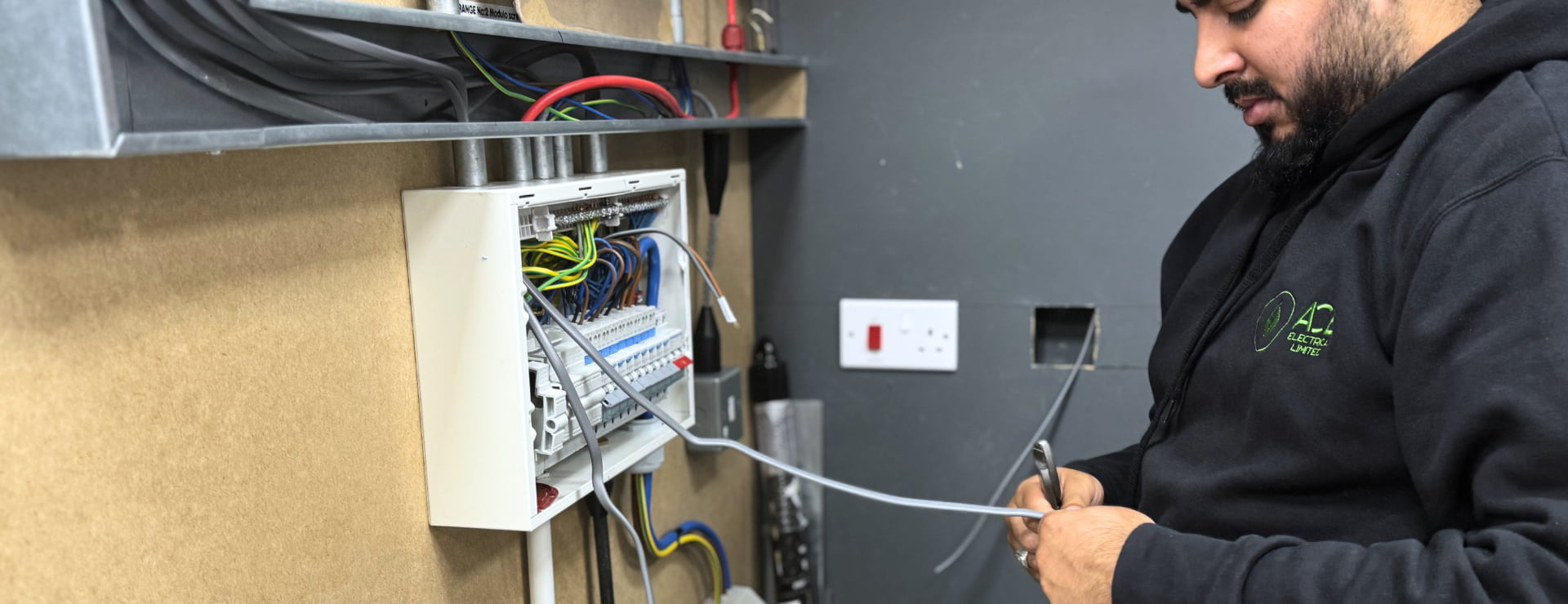
Electricians often engage with Competent Person Schemes more directly than other trades, because electrical work is closely tied to Building Regulations, wiring standards and formal certification. Registering with an electrical CPS allows you to self‑certify notifiable work, rather than involving building control or third‑party verifiers each time.
Step 1: Follow a suitable electrical training route
If you are new to the trade, you need an electrical training route that matches your ambitions.
This usually means:
- Gaining strong electrical installation skills, including circuit design, cable selection and fault finding
- Completing a recognised qualification route and earning a Level 3 Electrical NVQ
- Achieving the 18th Edition and Initial Testing & Inspection qualifications
At Logic4training, we support electricians in completing this stage, no matter where they are. If a full electrician training route needs to be completed, or just one or two electrical courses need to be completed to gain the necessary qualifications, we can help.
Step 2: Build a portfolio of electrical jobs
Before you apply to an electrical CPS, you should have a portfolio of recent electrical jobs that clearly show your skills and match the scope you want to register for.
Typical examples include:
- New final circuits (for example to a cooker, shower or socket outlets)
- Consumer unit replacements
- Significant alterations or additions to existing installations.
For each job you should have:
- Full test results
- Correctly completed Electrical Installation Certificates (or other relevant certificates)
- Evidence that you followed safe isolation and testing procedures.
This portfolio evidence will be gathered as part of the NVQ qualification and it is important to know that you will need to be working for anemplyer at this stage.
Step 3: Complete the AM2
Once you have built your portfolio and are nearing the end of your NVQ, you will need to complete the AM2 (or AM2S/AM2E, depending on your route). This is an independent end‑point assessment that tests your practical skills, fault‑finding ability and understanding of the wiring regulations in a controlled environment.
Passing the AM2 is a key milestone on the way to becoming a fully qualified electrician and is often required to obtain an ECS Gold Card and to demonstrate your competence to CPS providers and employers.
Step 4: Choose an electrical CPS provider
When you are confident in your knowledge and experience, you can compare CPS providers that cover the type of electrical work you carry out.
Key factors to weigh up:
- Domestic‑only vs full‑scope registration options
- Initial and ongoing membership costs
- Assessment style and how often reassessments take place
- Technical support on offer (helplines, online resources, technical updates)
- Brand recognition and how visible the scheme is to consumers and clients.
Electricians will generally choose:
Step 5: Apply and pass assessment
The application process broadly follows the same pattern as other CPS routes.
You will normally need to:
- Submit proof of your electrical qualifications and any inspection/testing awards
- Provide examples of recent electrical work from your portfolio
- Show evidence of insurance and suitable, calibrated test equipment
- Attend an assessment where your jobs, paperwork and technical knowledge are checked.
If you pass, you will be able to self‑certify notifiable electrical work within your registered scope. You must then maintain your membership through ongoing fees, periodic reassessment and continued compliance with current regulations and scheme rules.
Shared requirements across all trades
Although plumbing, gas and electrical routes look different on the surface, the underlying expectations are similar.
Most schemes and registration bodies will look for:
- Recognised training and qualifications aligned with your trade
- Real‑world experience, shown through a portfolio of recent jobs to prove competence
- Members to hold insurance
- Up‑to‑date knowledge of the regulations and standards that apply to your work.
Once you understand these common threads, it becomes easier to see where people go wrong, which is why it is worth looking at some of the most common mistakes that slow down registration.
Common mistakes that slow down registration
From our experience as a training provider, there are some recurring issues that delay or derail applications.
Across all three trades, watch out for:
- Applying before you are ready
If you do not yet have any suitable jobs to show, most assessors will struggle to sign you off. - Poor or incomplete paperwork
Missing test results, unsigned commissioning sheets or confusion over forms can all raise concerns about how you work in practice. - Out‑of‑date knowledge
If it has been several years since your last course, a short update in wiring regulations, building regulations or gas standards can improve both your competence and your confidence. - No plan for notifications and record‑keeping
Assessment is not just about technical skills. It is also about how you will handle notifications and maintain records once you are registered.
Treat registration as an extension of your training rather than a separate hurdle. Good habits developed with Logic4training will carry over directly into a smoother assessment.
Summary
Registering with the right Competent Person Scheme or registration body is an important step for gas engineers, plumbers and electricians who want to legally self‑certify notifiable work and demonstrate compliance with the Building Regulations.
Across all three trades, the core requirements are similar:
- You need recognised, up‑to‑date qualifications
- A portfolio of real jobs that proves your competence
- Suitable insurance
- A good working knowledge of current standards and guidance
Once those foundations are in place, you can apply to the relevant scheme or register, prepare for assessment, and, if successful, start certifying work within your approved scope, provided you maintain your skills and membership over time.
We have been training gas engineers, plumbers and electricians for many years and understand what schemes and registers look for. If you need help at any step of the registration process, reach out to our team. We’d be happy to help.
Competent Person Schemes article
Get in touch with our team for guidance
FAQs
How much does it cost to join a Competent Person Scheme?
Costs vary by trade and scheme, but you should budget for an initial application and assessment fee plus annual renewal. For many electrical Competent Person Schemes, an electrician can expect typical costs in the region of £300-£600 + VAT for initial registration, with ongoing yearly fees after that. Gas Safe registration has its own separate fee structure, which works out to £322.25 + VAT for a first-time application and registration. Plumbing/heating schemes set their own prices, so it is important to check current costs directly with your chosen provider before you apply.
Can new entrants join these schemes?
Yes, new entrants can join once they have followed an approved training route, gained supervised experience and passed the relevant assessments. Logic4training’s new‑entrant programmes in gas, plumbing and electrical work are designed to lead into professional registration rather than stopping at classroom learning.
What evidence do I need before a CPS assessment?
Expect to provide certificates for your training, examples of recent installations, test or commissioning records, insurance details and proof that your tools and test equipment are suitable and in calibration. Assessors will then visit your jobs or review your work to confirm your competence.
How can Logic4training help me prepare?
Logic4training provides structured training, portfolio guidance and upskill courses aligned with registration expectations across gas, plumbing and electrics. Our team can help you choose the right route, understand what schemes are looking for and plan your next steps from training to assessment.


 Your latest offers & alerts