
Last updated: 6th October 2026 | Originally published: 15th December 2025
To get Gas Safe Registered, you need recognised evidence of gas competence, the right qualifications for your intended work and registration through a gas business. If you are setting up as a sole trader, you register your own business.
Passing your ACS assessments is an important milestone, but it does not automatically make you Gas Safe registered. ACS demonstrates competence in specific categories of gas work; registration is the separate step that connects a business and its qualified engineers to the Gas Safe Register.
TL;DR
This article explains the application process, Gas Safe registration requirements, costs, probation and annual renewal.
- Passing ACS gas assessments proves competence, but Gas Safe registration is a separate step.
- You can only start independent gas work once registration is active and your qualifications cover the job.
- Costs include initial registration or annual business renewal, with additional charges depending on engineer numbers and card choices. Training and assessment fees are separate. Check the current Gas Safe registration fees before paying.
- New registrants enter a three-month probationary period, with work-recording and inspection requirements.
- Registration renews annually, whereas ACS qualifications normally renew every five years. Training fees are separate from Gas Safe registration fees.
For detailed training routes and appliance qualifications, read What Qualifications Do I Need to Be Gas Safe Registered?.
What is the Gas Safe Register?
The Gas Safe Register is the official regulatory body for gas engineers and businesses in the UK, Isle of Man, and Guernsey. By law, anyone carrying out gas work in these regions must be on the Gas Safe Register. It replaced the old CORGI scheme back in 2009 and is operated on behalf of the Health and Safety Executive (HSE).
Engineers working for those businesses receive a Gas Safe ID card showing the categories of work they are qualified to undertake.
There are two things to check: whether the business is registered and whether the engineer is qualified for the particular job. Registration alone does not authorise an engineer to work on every gas appliance, fuel type or installation.
For example, an engineer qualified for domestic natural-gas boilers is not automatically qualified to work on LPG appliances or commercial catering equipment. Their qualifications and registered work categories must cover the work they accept.
Is registration for businesses or engineers?
Registration operates at business level, with appropriately qualified engineers listed against the business. That business may be a sole trader, partnership or company. Customers can check the business registration and the individual engineer’s licence details separately.
This distinction matters when deciding your next step after qualifying:
The business must be registered, and the engineer undertaking the work must have the relevant competence and work categories.
Registration requirements and process
The route to registration starts with competence, not an application form. New entrants normally complete recognised training, gain supervised practical experience and pass the relevant assessments before progressing to registration. Experienced engineers may instead need reassessment or additional qualifications for a new work category.
Process at a glance
Training and qualification requirements depend on your route. Gas Safe receives recognised competence evidence directly from the awarding body, and new business registrations enter a probationary period.
Before applying to register a new business, have the following ready:
- Your business name and trading name, if different.
- Your business address and telephone number.
- Details of the engineers you want to list, including National Insurance numbers.
- Current, recognised evidence of competence for the intended work categories.
- Confirmation that the awarding body has sent the qualification information to Gas Safe Register.
- A credit or debit card for payment.
- A clear understanding of the gas work your business intends to offer.
Check qualification expiry dates before starting. GOV.UK states that qualifications more than five years old must be renewed before registration; your actual certificate expiry dates should guide your planning.
Step 1: Complete relevant training
If you are new to gas work, start with a recognised training route that includes the practical experience needed to progress to assessment. Do not confuse completing a course with becoming qualified or registered. Each stage has its own requirements.
For domestic natural-gas work, the common ACS route combines a core assessment, such as CCN1, with the appliance or activity assessments relevant to your intended work. LPG and commercial work require appropriate qualifications for those areas.
Our gas qualifications guide explains the modules and routes in more detail.
Step 2: Gain experience and pass assessment
New entrants need supervised practical experience and evidence that meets their assessment route’s requirements. This may include workplace records, observations, photographs and confirmation from the competent registered engineer supervising the work.
Once you meet the assessment prerequisites, complete the relevant ACS assessments or other recognised competence route. Your qualifications must match the work you intend to carry out.
Gas Safe recognises qualification evidence once it has been received electronically from the awarding body. If your results have not yet reached the Register, check with your assessment centre or awarding body before expecting the application to progress.
Step 3: Choose your registration route
If you intend to trade independently, apply to register your business. A sole trader still needs business registration, even if they are the only engineer.
If you are joining an existing Gas Safe registered employer, the business should arrange for you to be listed against its registration. You do not need to establish a separate business registration solely to undertake work for that employer, but you must have the appropriate engineer listing and qualifications.
Step 4: Apply and await confirmation
You can apply through Gas Safe Register. GOV.UK also lists a paper application route. Provide the required business and engineer details and pay the applicable charges.
Do not treat submitting an application or making payment as permission to start work. Wait until registration is confirmed, then check that your engineer listing and authorised work categories are correct.
Step 5: Check your ID card
Your Gas Safe ID card shows the categories of gas work you are qualified to undertake. Check those details before accepting jobs and carry your card so customers can verify your registration.
A customer may need a registered boiler engineer, but the same engineer may not be qualified for a gas fire or LPG appliance. The category check is as important as checking that the engineer appears on the Register.
Gas Safe registration costs
Gas Safe registration costs are separate from training and assessment fees. Your total depends on whether you are registering a new business, renewing an existing registration, adding engineers or choosing physical ID cards.
The figures below are from Registered Gas Engineer’s published schedule for fees effective from 1 April 2026. Sources checked: . Always confirm the amount payable through Gas Safe Register before applying or renewing.
Registration and renewal fees
The published schedule lists the business renewal and engineer fee separately. The business renewal figure should therefore not be presented as the complete renewal cost for a business with engineers.
For example, an online renewal for a business with one engineer totals £221.02 including VAT, based on the published business renewal charge of £167.74 plus the engineer fee of £53.28. A physical card adds £19.09, bringing that example to £240.11. Confirm your account’s charges and card selection before paying.
Gas Safe’s application information describes new registration as including one engineer, a digital licence card and one year’s registration. Additional engineers and physical cards can increase the amount payable.
What else should you budget for?
Registration is one part of becoming ready to work. Training, initial ACS assessment or reassessment are separate costs, and the qualifications you need depend on your intended services.
Keep these costs distinct when planning:
- Training and assessment costs.
- Initial business registration.
- Annual business renewal and engineer fees.
- Optional physical cards and replacement or updated cards.
- Applicable work-notification charges.
Check the Gas Safe registration fee page and the amount shown in your application or renewal account for current charges.
When do renewal fees change?
Registered Gas Engineer states that renewal fees are based on the registration renewal start date, not the date you make payment. It also advises businesses to check their physical and digital card preferences before renewing.
Starting work and probation
You can begin relevant gas work independently once the business registration is active, you are correctly listed as an engineer and your qualifications cover the work. Passing ACS alone does not meet all these requirements.
You do not have to wait until probation ends. Gas Safe explicitly states that businesses with probationary registration are registered and able to carry out gas work, subject to the probation requirements.
Working for an existing business
If you have qualified and are joining an existing registered business, ask the employer to confirm your engineer listing and permitted categories before allocating independent gas work to you. The employer’s registration is not a substitute for your own recognised competence.
Likewise, being listed under an employer does not mean you can use that registration for a separate, unregistered gas business. If you intend to trade independently, arrange the appropriate business registration.
What happens during probation?
Gas Safe’s published guidance describes a three-month probationary period for new registrations. During this time, you must keep records, provide examples of your gas work and inform Gas Safe of all finished gas work in line with its registration rules.
The inspection process helps establish whether the business is applying competence safely in practice. Gas Safe states that businesses move out of probation once they have demonstrated competence through inspection, and it may extend probation where work is unsatisfactory or does not represent the registered categories.
Do not register long before you intend to start working. Gas Safe warns that a business unable to provide evidence of gas work during probation will be suspended.
Records and notifications
Keep clear, accessible records that allow Gas Safe to identify and inspect completed work. Follow the current Rules of Registration and the instructions issued with your registration rather than relying on an assumed minimum number of jobs.
For your own job-management system, useful fields include:
- Customer name and job address.
- Date and description of the work.
- Appliance and installation details.
- Relevant checks, readings and completed documentation.
- Defects identified and action taken.
- Copies of notifications and customer records.
Reporting work for probation is not the same as submitting a Building Regulations notification. The latter concerns applicable installation work and varies by jurisdiction. Do not assume that every service visit requires a paid Building Regulations notification, or that such a notification replaces probation reporting.
If an inspection finds problems
The action taken depends on the findings. Gas Safe may require defects to be corrected within a specified timescale, extend probation or apply sanctions where requirements are not met. There is no basis for promising every business a standard 14-day follow-up inspection.
Take any inspection findings seriously and follow the instructions issued for your business. Inspection is about safe work and compliance, not simply completing three months on the Register.
Essential tools and equipment for inspections
Tool Checklist for New Gas Engineers
Inspectors expect gas engineers to have a well-equipped toolkit. Based on industry standards, your essential equipment should include:
- A manometer for pressure testing
- Leak Detection Fluid (LDF) for identifying gas leaks
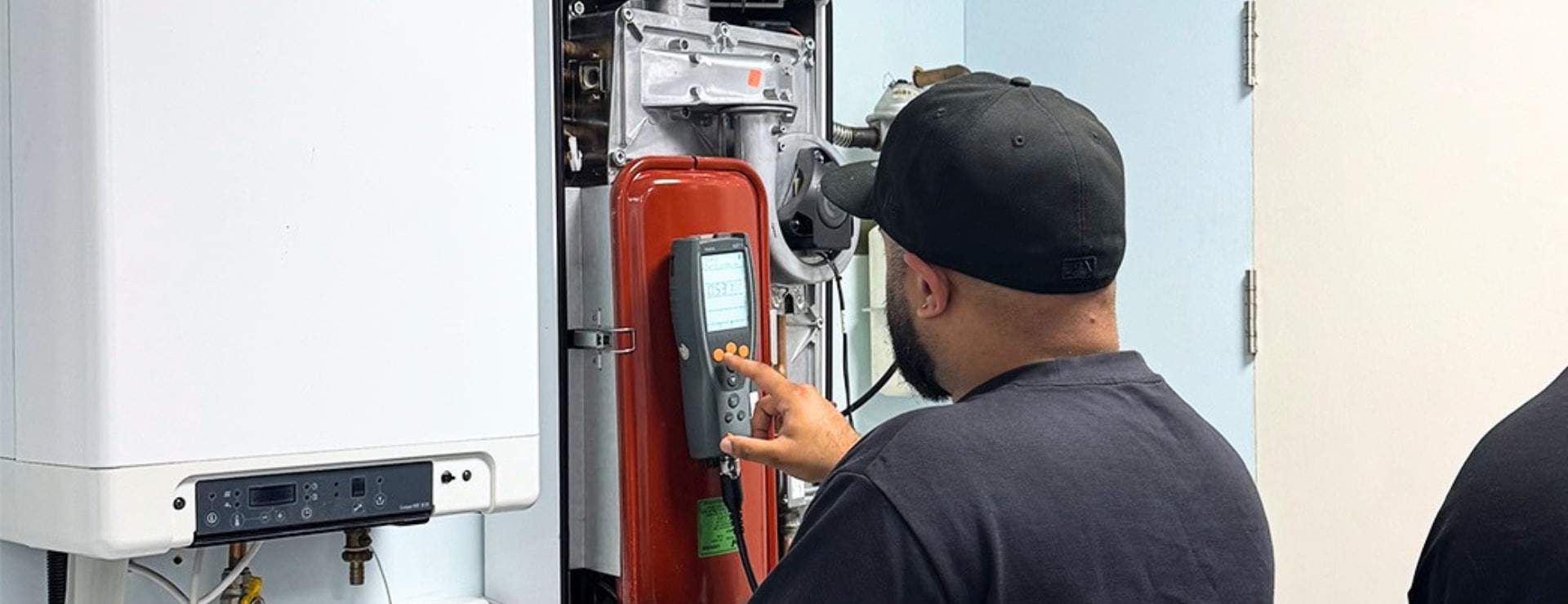
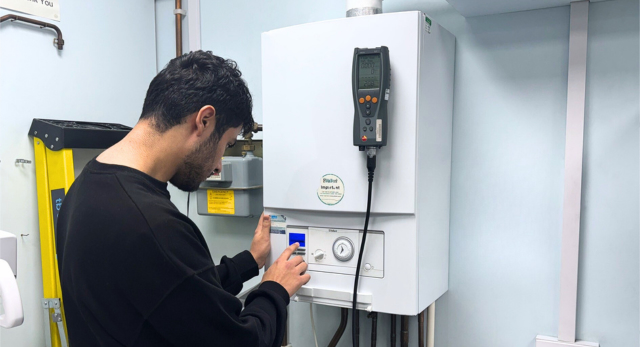
- A calibrated gas combustion analyser for safety checks
- Basic plumbing tools for installation and repairs
These tools are not just for passing inspections; they’re critical for ensuring your work meets safety standards and protects your customers.
Maintenance and Calibration Requirements
Regular calibration of your equipment, especially gas analysers, is non-negotiable in this profession. Inspectors will verify the functionality of your tools during visits, so proper maintenance and storage are essential.
Most manufacturers recommend annual calibration for gas analysers, but always check the specific requirements for your equipment. Keeping records of calibration dates and certificates is also good practice for demonstrating your commitment to safety standards.
Resources and support for newly qualified engineers
Certificates and Documentation
Logic4training, a leading training provider, offers essential items through its partnership with Gas Engineer Software to create all your Gas Safe Register certificates. These can be purchased online and ensure you have the necessary documentation for jobs.
Having the correct certification templates ready before you start work will save time and ensure you’re complying with all documentation requirements from the outset.
Ongoing Support Options
After completing your training, many providers like Logic4training continue to offer guidance through their centres across the UK. This support can include refresher courses and resources to help you navigate early career challenges.
Industry forums and local gas engineer networks can also be valuable sources of advice and support as you establish yourself in the profession. Many experienced engineers are willing to mentor newcomers and share their knowledge.
Supplier Relationships and Discounts
For essential tools like Testo analysers, it’s worth contacting suppliers directly as they may offer discounts specifically for newly qualified engineers. This can help reduce your initial setup costs as you establish your business.
Building relationships with suppliers early on can also lead to better service and potential deals in the future, which is particularly valuable as you grow your business.
Conclusion
Earning your ACS qualifications and Gas Safe card represents a significant achievement, but it’s just the beginning of your professional journey. By following the steps outlined in this guide, registering with Gas Safe, preparing for your probationary period, acquiring the right tools, and planning for ongoing requirements, you’ll set yourself up for a successful career as a gas engineer.
Remember these key points:
• Registration with Gas Safe is a legal requirement before undertaking any gas work
• The probationary period is an important time to demonstrate your competence
• Having the right tools and documentation is essential from day one
• Ongoing support and continuous learning will help you thrive in the profession
With thorough preparation and attention to these details, you’ll transition smoothly from newly qualified engineer to established professional in this essential and rewarding field.
Frequently Asked Questions
How long does registration take?
Training time and application-processing time are different things. Your route into the industry determines how much training and supervised experience you need before assessment. Gas Safe can then process registration once the required information and recognised competence evidence are available.
The official guidance reviewed for this article does not give a universal application turnaround time. Avoid promising customers a start date until you confirm registration and the relevant work categories.
What happens after I pass ACS?
Check that your awarding body has sent your qualification details to Gas Safe Register. Then arrange either a new business registration or your listing under an existing registered business. ACS success does not automatically put you on the Register.
Can I work immediately after passing ACS?
Not independently on the strength of ACS alone. The business must be actively registered, you must be correctly listed, and your qualifications must cover the work. Supervised training is a separate arrangement, not permission to trade independently.
Is there one Gas Safe qualification?
No. ACS is a common route for demonstrating competence, but different gas-work categories require different qualifications. Gas Safe registration is a separate registration process, not a qualification awarded by your training centre.
Does CCN1 cover all domestic gas work?
No. CCN1 is the core domestic natural-gas safety qualification, but you also need the appliance or activity assessments relevant to your work. It does not automatically cover every domestic appliance, LPG or commercial gas work.
How long does Gas Safe registration last?
Registration lasts 12 months. Renew the business registration annually and separately maintain current qualifications for the engineers and work categories listed.
Can I carry out gas work during probation?
Yes. Gas Safe states that probationary businesses are registered and able to undertake gas work. You must stay within your qualified categories and comply with the record-keeping, reporting and inspection requirements.
What if I have no work during probation?
Gas Safe states that a business unable to provide evidence of gas work during probation will be suspended. Apply when you intend to start working, and contact Gas Safe if you are concerned about meeting the evidence requirements.
Do I need my own registration as an employee?
No separate business registration is required solely to work for a registered employer. You need to be correctly listed against that employer’s registration and qualified for the work you undertake. If you establish a separate gas business, that business needs its own appropriate registration.
What happens if my ACS expires?
Do not continue work in a category for which your required competence evidence has expired. Arrange reassessment and confirm with Gas Safe that the renewed qualifications are reflected in your listing. Annual registration payment does not replace current competence evidence.
Does Gas Safe cover Scotland and Northern Ireland?
Yes. Gas Safe Register covers both Scotland and Northern Ireland. Northern Ireland does not operate a separate alternative register through nidirect; nidirect directs users to Gas Safe Register. Follow the legislation and notification requirements applicable to your location.


 Your latest offers & alerts