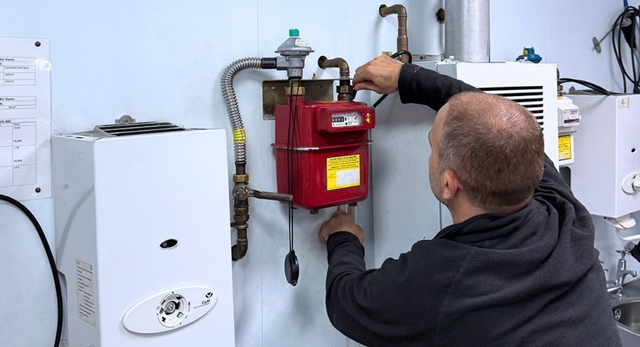

The domestic Accredited Certification Scheme (ACS) gas assessments show that a gas engineer has the knowledge and practical competence to work safely within specific areas of gas work. CCN1 is the core domestic gas-safety assessment, while codes such as CENWAT, CKR1, HTR1 and DAH1 apply to particular types of appliance.
For engineers, the structure is simple: start with core gas safety, add the appliance categories that reflect the work you plan to do, and keep those categories current.
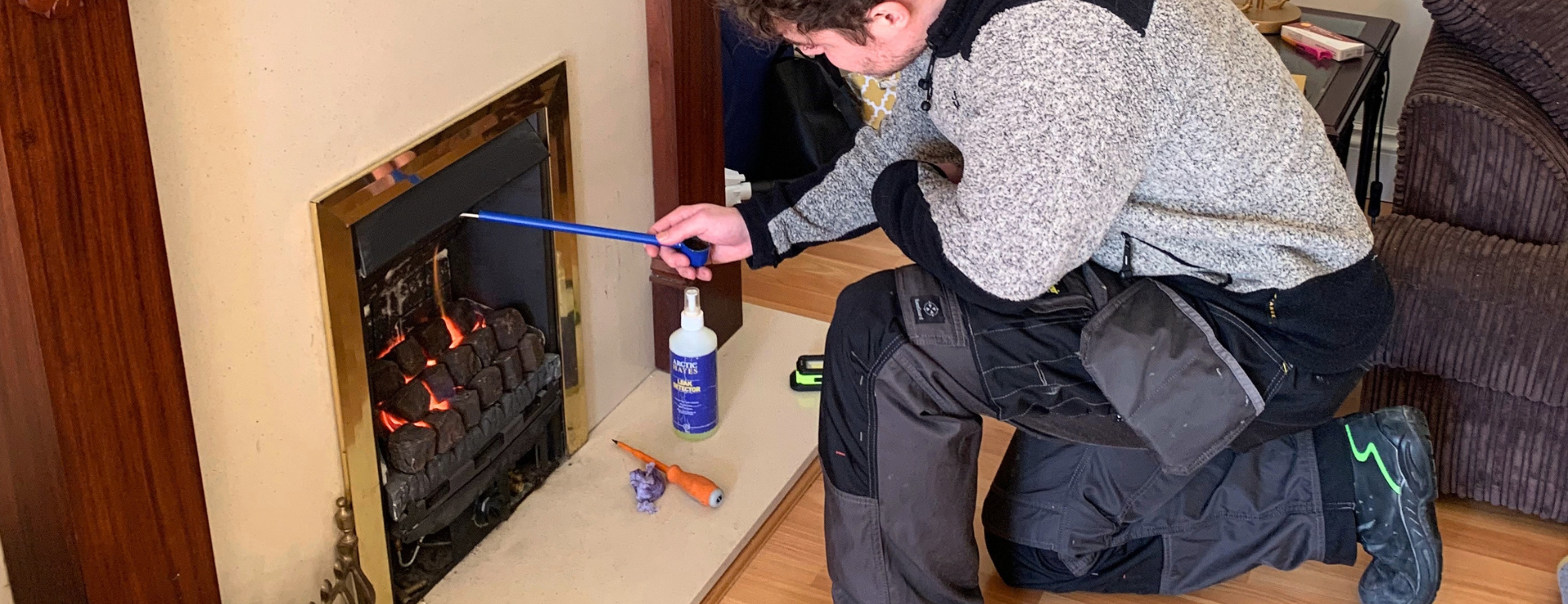
TL;DR
- ACS is the recognised competence-assessment route for gas operatives working in the UK.
- CCN1 means Core Domestic Gas Safety. It is the foundation of the domestic natural-gas ACS route.
- CCN1 alone does not qualify an engineer to work on every appliance. Appliance categories must match the work being carried out.
- CENWAT covers domestic central-heating boilers and water heaters.
- CKR1 covers domestic gas cookers.
- HTR1 covers relevant gas fires and space heaters.
- DAH1 covers domestic warm-air heaters.
- ACS certificates normally run on a five-year cycle. Engineers then need the appropriate reassessment to keep their evidence of competence current.
- Passing ACS does not, by itself, make someone Gas Safe registered. Applying to the Gas Safe Register is a separate step.
What is an ACS Gas Assessment?
ACS stands for the Accredited Certification Scheme for Gas Fitting Operatives. It is the assessment framework used to demonstrate practical and theoretical competence in defined areas of gas work within the UK.
The ACS scheme was introduced in 1998 to provide a nationally recognised way for gas operatives to demonstrate gas-safety competence. It replaced the previous Approved Code of Practice scheme and is supported by UKAS-accredited certification bodies. ACS began with domestic natural-gas assessments, before expanding to cover commercial gas, LPG and other specialist areas.
ACS gas assessments test whether a gas operative can apply the necessary safety knowledge and practical procedures for the categories being assessed. This can include knowledge checks, practical tasks and safety-critical procedures.
It is helpful to separate two parts of the journey:
- Training develops knowledge, practical skills and confidence.
- ACS assessment provides evidence that an engineer is competent in the relevant gas-work categories.
This distinction matters because safety is a core component of any gas work. An engineer’s assessed scope must reflect the appliances and systems they can legally work on. For domestic natural-gas work, ACS usually begins with CCN1, then moves into the appliance-specific categories needed for the engineer’s role. ACS also covers commercial, LPG and smart-meter gas sectors.
The Gas Safe Register requires evidence of recognised gas ACS qualifications and competence for the areas of gas work a business intends to carry out. Keeping ACS evidence current is also essential for Gas Safe registration.
To maintain high standards of gas safety, ACS gas qualifications must be reassessed every five years. This proves that engineers remain competent in the gas-work categories they hold and are up to date with current safety requirements, standards and working practices. Engineers should renew both CCN1 and any relevant appliance categories, such as CENWAT, CKR1, HTR1 or DAH1, before their certificates expire.
What is the CCN1 Qualification?
CCN1 stands for Core Domestic Gas Safety and is the key qualification for domestic natural-gas engineers. You can think of the CCN1 as the foundation of knowledge and practical skills that sit beneath all domestic gas work.
A CCN1 assessment covers important domestic gas-safety areas, including:
- Gas safety legislation and an engineer’s responsibilities
- Combustion and the risks of incomplete combustion
- Ventilation requirements
- Flues and chimney systems
- Gas pressures and gas-rate principles
- Tightness testing and purging procedures
- Domestic gas pipework
- Identifying unsafe situations
- Practical safety procedures when working on gas installations
CCN1 is essential, but it is not a universal appliance qualification. A gas engineer who wants to work on domestic boilers and water heaters, for example, also needs the relevant appliance category, for instance CENWAT for boilers.
For people entering the ACS route for the first time, a CCN1 Initial Course and Assessment combines the core assessment with relevant appliance options and acts as the endpoint assessment for those completing a Gas Managed Learning Programme. The CCN1 initial assessment usually spans 2 to 3 days. You might notice a CCN1 initial assessment course is longer. This is because it usually includes training days before the assessment. At Logic4training, our CCN1 initial assesssment
With gas qualifications’ 5-year renewal cycle, you need a CCN1 reassessment to keep your domestic gas qualifications live. These are generally the same assessments as the initial assessment, but with a shorter prior training period. This is because, after 5 years of qualification, engineers should already have the underpinning knowledge and skills but may just need to brush up on a couple of elements or newer regulations. At Logic4training, our CCN1 reassessment.
CCN1 and CENWAT: What Is the Difference?
CCN1 and CENWAT are often mentioned together, which can make them sound like the same qualification. They are not.
- CCN1 demonstrates core domestic gas-safety competence.
- CENWAT demonstrates competence for relevant domestic central-heating boilers and water heaters.
In practical terms, an engineer planning to work on domestic boilers would commonly need CCN1 + CENWAT.
CCN1 covers the underlying safety principles. CENWAT then applies those principles to boilers and water-heating appliances. An engineer who only holds CCN1 should not assume they are covered to work on a domestic boiler.
The same logic applies to other appliance types. CKR1, HTR1 and DAH1 are not upgrades to CCN1. They are separate assessed categories that extend an engineer’s scope of competence.
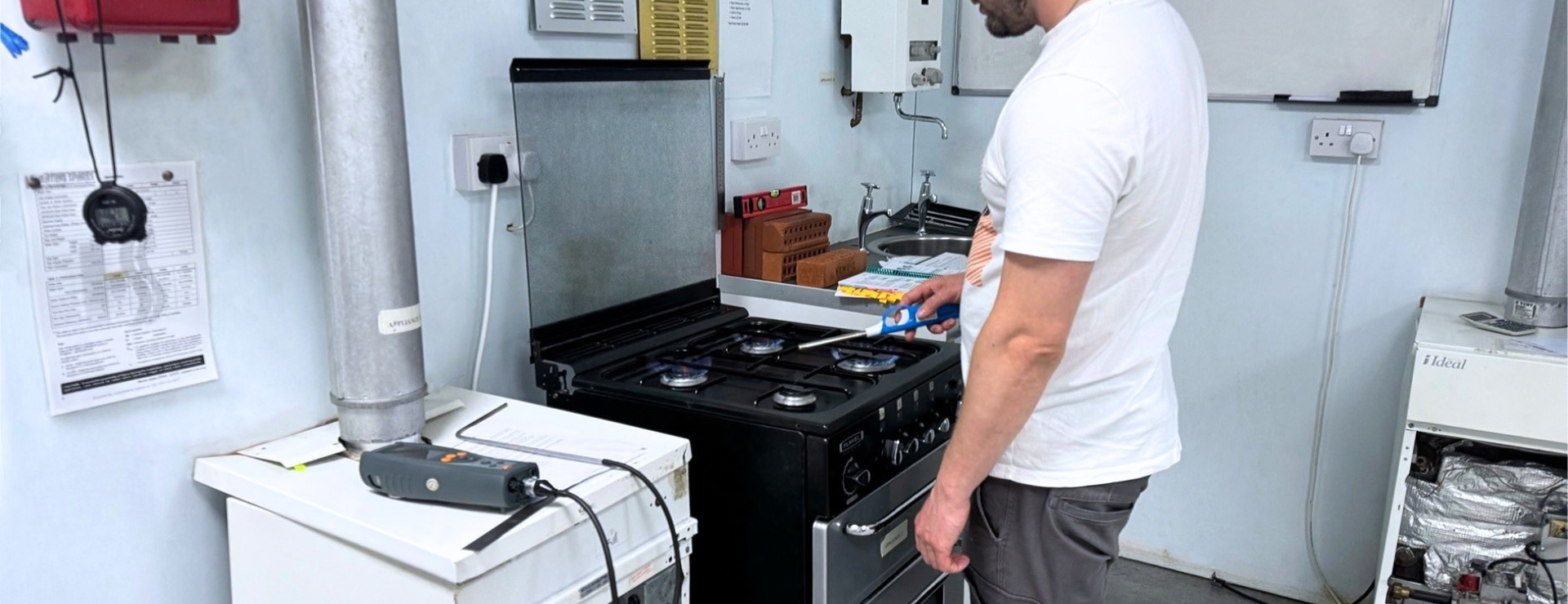
What Are the Domestic ACS Appliance Codes?
Once CCN1 is in place, engineers add the categories that match the appliance types they intend to install, commission, service, repair, disconnect or otherwise work on.
Engineers do not need every ACS category by default. They should hold the categories that match the gas work they intend to carry out. For example, an engineer working on domestic boilers will commonly need CCN1 and CENWAT, while someone carrying out cooker work will need the relevant CKR1 category.
Adding an appliance category does not change the level of CCN1. It expands the range of gas appliances for which the engineer has assessed evidence of competence.
For example, an engineer with CCN1 and CENWAT may be able to work within the assessed scope for domestic boilers and water heaters. If they begin taking on cooker installations or repairs, CKR1 becomes relevant. If they start servicing gas fires, they need HTR1.
Specialist work, such as gas-meter work, domestic laundry appliances, leisure appliances or carbon-monoxide investigation, requires the relevant additional ACS category.
The key point is that an engineer does not need every appliance category by default. They need the categories that are appropriate to their intended scope of work. For example, a boiler engineer would usually require CCN1 and CENWAT. A specialist who also works on gas cookers may add CKR1. Someone who works on fires or space heaters would need the relevant HTR1 category.
It is important to know: Newly qualified gas engineers who hold CCN1 and CENWAT must hold these qualifications for 12 months before they can add additional appliances.
Logic4training’s Domestic Gas Appliance Course is designed for engineers adding relevant domestic appliance categories.
What Is the Difference Between Initial ACS and Reassessment?
The correct ACS route depends on whether an engineer is gaining the category for the first time or renewing existing certification.
ACS certificates generally operate on a five-year cycle. Government guidance states that qualifications must be renewed before they are more than five years old for Gas Safe registration purposes.
At Logic4training, a CCN1 reassessment candidate must hold a valid certificate or one that expired no more than 12 months ago. Reassessment can be taken in the six months before expiry, helping to avoid a gap in certification.
If certification has expired beyond the permitted reassessment period, an engineer may need to use an initial assessment route instead. This is why it is worth checking certificate dates well before they lapse.
Existing engineers can view our CCN1 Reassessment Course and Appliance Assessments for the current reassessment route.
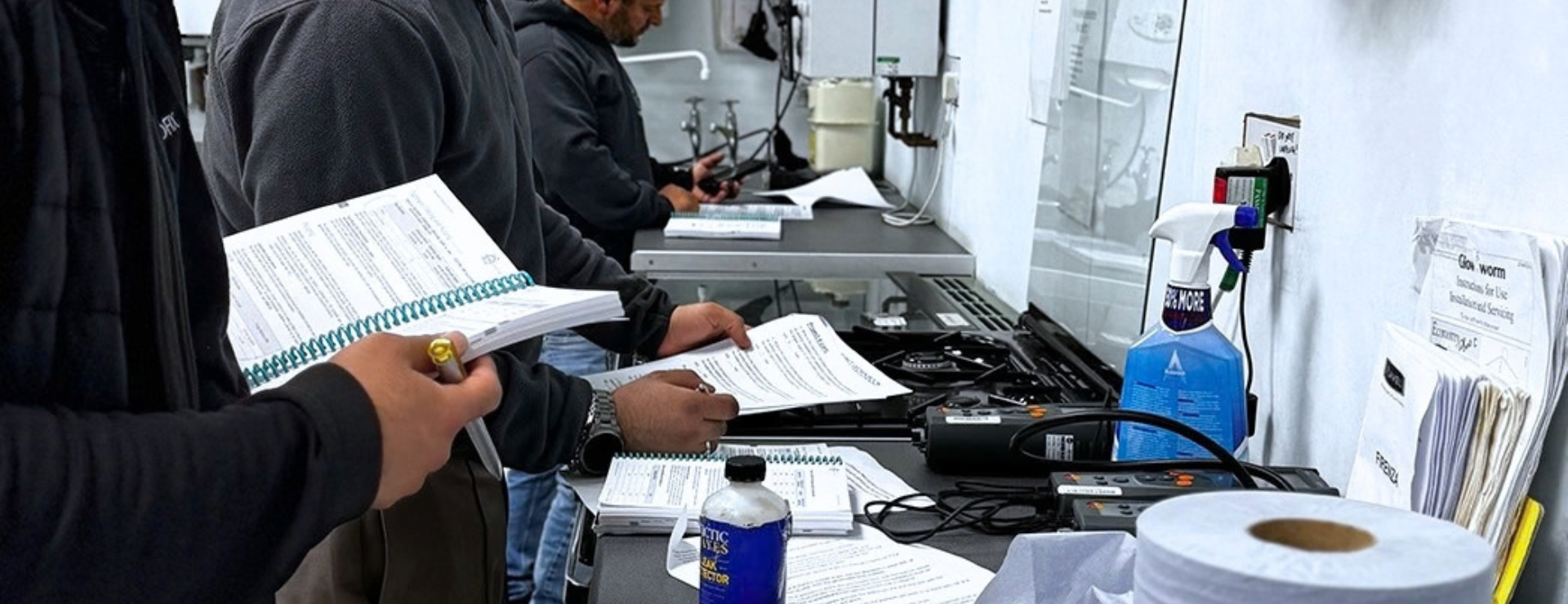
How Does ACS Lead to Gas Safe Registration?
In the UK, anyone or any business carrying out gas work must be on the Gas Safe Register. Applicants must apply and demonstrate the necessary qualifications and experience to become Gas Safe Registered.
The broad route into domestic gas work is:
- Gas training
- Practical experience
- ACS assessment
- Gas Safe registration
Passing the ACS gas assessments does not automatically make an individual or business Gas Safe registered.
ACS provides recognised evidence of competence in the relevant gas-work categories. Once the awarding body has sent this evidence directly to the Gas Safe Register, the business can apply for Gas Safe registration. Successful applicants initially receive probationary registration. This means they are registered and can carry out gas work within their approved categories, but must meet additional requirements during probation.
What Happens During Probation?
The probationary period normally lasts three months. During this time, the business must demonstrate safe, competent gas work through Gas Safe Register’s inspection process. Here is what you need to know:
- Keep records of all gas work and tell Gas Safe Register about completed work during probation. You must be able to provide examples and make records available for inspection.
- Be available for a work inspection within three months of registering and attend confirmed inspection appointments.
- Only register when you intend to start carrying out gas work. If you cannot provide evidence of work during probation, Gas Safe Register will suspend your registration.
- Any previous history your business or engineers have on the registration scheme may be considered when assessing your progress.
- Your business moves out of probation once it has demonstrated competence through the inspection process.
- Probation may be extended if inspected work is not satisfactory or does not adequately represent the registration categories held by the business or its engineers. Gas Safe Register will provide support to help the business complete probation.
The full requirements are set out in the Rules of Registration, particularly Section 3 on probationary registration and Section 4 on inspecting work.
Keeping Your Registration Current
Gas Safe registration lasts 12 months and must be renewed annually. Check the current registration and renewal fees before applying or renewing.
Annual registration renewal is separate from the five-year ACS reassessment cycle. You need to keep both your business registration and your engineers’ relevant competence certificates current. Engineers must only carry out gas work within the categories covered by their registration and valid qualifications.
For a full overview, see our page on how to become a gas engineer and all you need to know about Gas Safe registration.
Which ACS Categories Do You Need?
The right combination depends on the work you want to carry out now, as well as the services you plan to offer in future.
The exact route depends on your existing qualifications, current certificates, prior experience, and the range of gas work you intend to perform. Before booking, check your certificate expiry dates and select the appliance categories that genuinely match your work.
Book the Right Domestic ACS Assessment
The correct route normally falls into one of three groups:
- New to the gas industry: complete a gas training route that includes the initial CCN1 assessment with the relevant appliance categories.
- Existing gas engineer renewing current certificates: choose CCN1 and appliance reassessment before certificates expire.
- Adding a new appliance category: take the individual gas appliance assessment needed for that new appliance type.
Our extensive experience supporting new entrants and established engineers through domestic gas training and assessment. The priority is not simply to collect codes. It is to ensure your assessed competence reflects the work you carry out, supports safe practice, and keeps your qualifications current.
Find the Right Domestic ACS Course
Before choosing a course, check:
- Your current ACS certificates and expiry dates
- Whether you are eligible for reassessment or need an initial route
- The domestic appliances you work on now
- The services you want to add to your business
You can view our full range of Domestic ACS Gas Safety Courses to find the right CCN1, reassessment, or appliance-assessment option.
Frequently Asked Questions
What does CCN1 stand for?
CCN1 stands for Core Domestic Gas Safety. It is the core assessment for the domestic natural-gas ACS route and covers the essential safety knowledge and procedures that underpin further appliance categories.
Is CCN1 enough to work on boilers?
No. CCN1 covers core domestic gas safety, but engineers working on relevant domestic central-heating boilers and water heaters also normally need CENWAT. Your ACS categories should match the appliance types you work on.
What is CENWAT?
CENWAT is the domestic ACS appliance category for relevant central-heating boilers and water heaters. Engineers who install, commission, service, repair, or work on domestic boilers and water-heating appliances commonly take it alongside CCN1.
What do CKR1 and HTR1 cover?
CKR1 covers relevant domestic gas cooking appliances, such as cookers, hobs and ovens. HTR1 covers relevant domestic gas fires and space heaters, including certain wall heaters, convector heaters, stoves and flueless fires.
How long does CCN1 last?
CCN1 certificates generally operate on a five-year cycle. Engineers should complete the appropriate reassessment before their certification becomes too old to support registration and continued work within that category. Logic4training advises reassessment within the six months before expiry where possible.
What is the difference between initial ACS and reassessment?
Initial ACS assessment is for candidates establishing competence in the relevant category for the first time. ACS reassessments are for engineers who already hold eligible certification and need to renew the categories they have previously achieved.
Does passing CCN1 make you Gas Safe registered?
No. CCN1 provides evidence of core domestic gas-safety competence, but Gas Safe registration is a separate process. You must apply to the Gas Safe Register and hold recognised, current qualifications for the areas of gas work you intend to carry out.


 Your latest offers & alerts