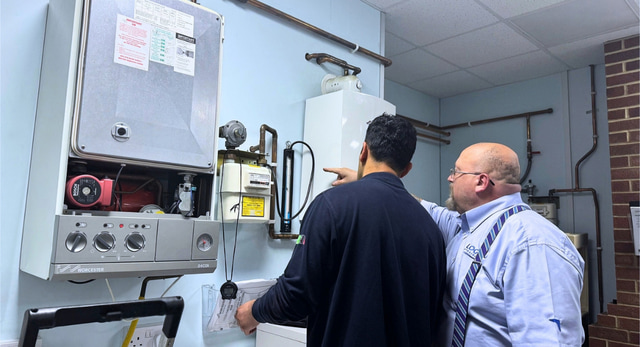

There is more than one way to start a career in gas engineering. You can join a paid apprenticeship with an employer, or take a trainee or new entrant route that combines professional training, supervised practical work and ACS assessments.
Both paths build the knowledge, hands-on ability and evidence of competence needed to progress towards working through a Gas Safe registered business. The best route depends on your work situation, previous experience, finances and how you prefer to learn.
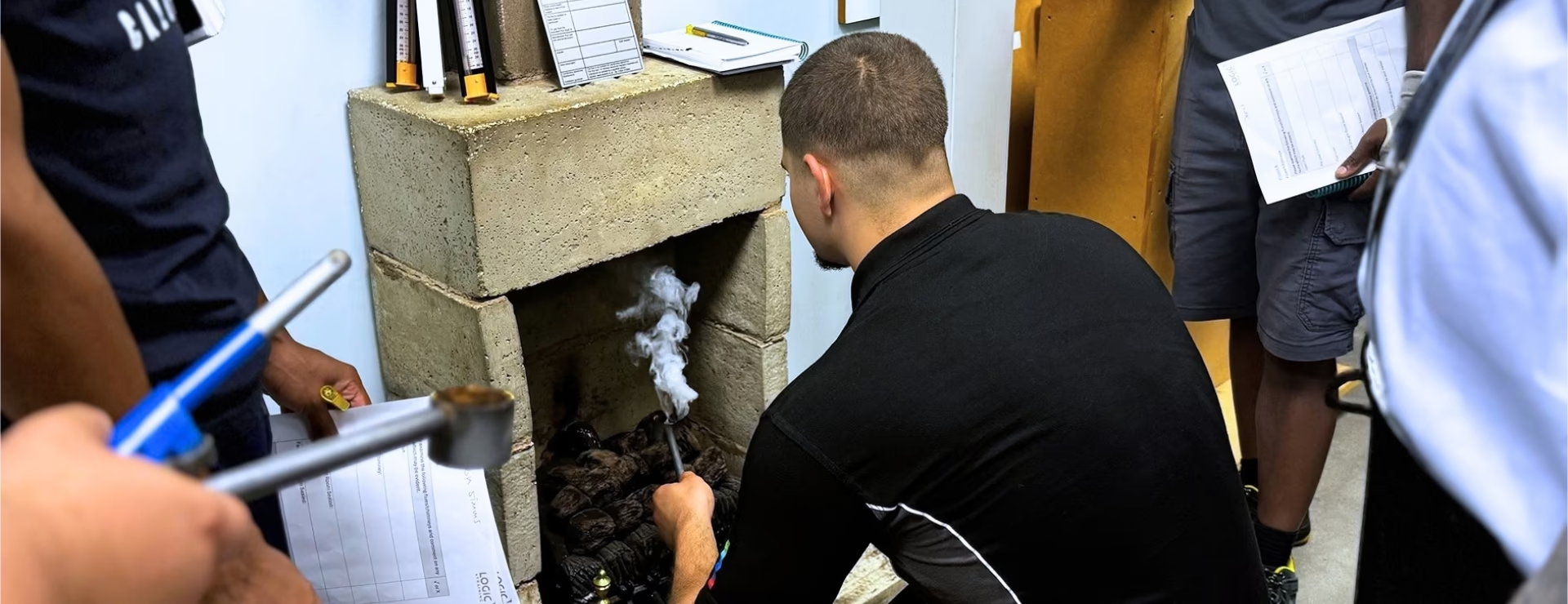
TL;DR
- A gas engineer apprenticeship combines paid employment, workplace learning and structured training.
- A trainee or new entrant route lets beginners train without first securing an apprenticeship employer.
- Apprentices work for an employer and receive a wage. New entrant training is usually privately funded.
- Both routes require real practical experience. You can’t learn to safely work with gas through classroom or online training alone.
- New entrants typically complete training, build a supervised portfolio, then take ACS assessments such as CCN1 and relevant gas appliance modules.
- Adults can apply for apprenticeships and trainee gas engineer routes, subject to individual vacancy, funding and entry requirements.
- To carry out gas work legally, the relevant business must be on the Gas Safe Register, and the engineer must hold recognised evidence of competence for the work undertaken.
What is a Gas Engineer Apprenticeship?
A gas engineer apprenticeship is a structured route that combines paid employment with formal training. You work for an employer while developing technical knowledge, practical skills and professional behaviours relevant to gas engineering.
The route normally includes:
- Paid employment with an apprenticeship employer
- Training delivered by an approved provider
- Learning in a real working environment
- Practical experience under suitable supervision
- Technical training in gas, heating and safety
- Workplace evidence and assessments
- A recognised apprenticeship outcome
- A route towards further gas qualifications and career progression
At Logic4training, we offer the Level 3 Gas Engineering Installer apprenticeship. This helps learners develop the skills needed to install and maintain gas appliances in domestic or non-domestic settings.
An apprenticeship is not simply a classroom course. The workplace element is central. You learn how work is planned, completed safely, checked and documented in real homes, properties and customer environments.
What Does a Gas Engineer Apprentice Do?
A gas engineer apprentice works alongside experienced engineers while developing practical competence. The exact work depends on the employer, but it may include:
- Supporting qualified engineers on domestic heating jobs
- Learning safe working procedures
- Assisting with installation work
- Observing and supporting servicing work
- Learning maintenance routines
- Developing fault-finding skills
- Understanding heating controls and gas appliances
- Communicating professionally in customer properties
- Building evidence of workplace competence
Apprentices should carry out work within their level of competence and under appropriate supervision. Gas work is safety-critical, so training must be supported by real-world experience and clear oversight.
What are New Entrant Gas Training Courses?
A new entrant gas training course is an alternative to a gas apprenticeship. It is for someone building the knowledge, practical skills, and evidence of competence needed to progress into gas engineering, but in a different structure than an apprenticeship. Unlike an apprentice, a new entrant trainee may not be employed under a formal apprenticeship contract.
Many trainees follow a new entrant or experienced trades gas training route. This route suits people starting with no gas experience, as well as those with related trade experience, such as plumbing.
Typical trainee route:
- Initial plumbing and heating training – this is where the new entrant route starts
- Managed Learning Programme (MLP) – this is where the experienced trades route starts
- Portfolio building
- ACS assessment
- Gas Safe registration application.
What Does a New Entrant Gas Training Route Include?
A new entrant gas course can include:
- Centre-based technical training
- Gas safety principles
- Heating and hot-water system knowledge
- Practical training on relevant equipment
- Appliance knowledge and testing procedures
- A Managed Learning Programme
- Supervised site experience
- A portfolio of workplace evidence
- Preparation for ACS assessments
The purpose is not simply to pass an exam. A new entrant trainee needs to understand gas safety, demonstrate practical ability and gather evidence showing they can apply their learning safely in real work settings.
Gas Engineer Apprenticeship vs Course Route
The two routes lead towards the same broad aim: developing professional gas engineering competence. However, the structure, funding and starting position are different.
Neither option is automatically better. The right choice depends on whether you want paid employment from day one, whether you can secure an employer, and whether a privately funded training route is realistic for you.
How Does a Gas Engineer Apprenticeship Work?
1. Find an Apprenticeship Employer
The first step is to find a suitable employer with an apprenticeship opportunity. Look at current vacancies rather than relying on old job listings, as roles can change quickly.
When applying, check the role location, travel expectations, type of work, training provider, entry requirements, driving requirements and likely programme duration.
Logic4training advertises current opportunities through its gas apprenticeship vacancies page.
2. Combine Employment With Training
An apprentice is an employee. That means you are paid while you learn, subject to the employer’s terms and legal minimum pay rules.
The apprentice rate depends on age and apprenticeship year. Apprentices under 19, or those aged 19 and over in their first year, can be paid the apprentice rate. After the first year, apprentices aged 19 and over must receive at least the applicable minimum wage for their age. Always check the current rules on the official GOV.UK National Minimum Wage page.
3. Build Practical Gas Engineering Experience
Workplace experience may involve installation, servicing, maintenance, fault diagnosis and customer-facing work. You will see how jobs are prepared, how risks are managed and how engineers communicate with customers.
This experience matters because gas engineering is practical. You need more than technical knowledge. You must be able to apply it safely, follow correct procedures and recognise when a task is outside your competence.
4. Complete Your Apprenticeship Assessments
Every apprenticeship has its own programme requirements. Learners must demonstrate the relevant knowledge, practical skills and behaviours expected within the qualification.
Logic4training’s apprenticeship information states that learners need an employer to begin an apprenticeship. Applicants who do not yet have one can still apply, with support available to help match them with a suitable employer.
How Do You Become a Trainee Gas Engineer Without an Apprenticeship?
You do not need an apprenticeship to enter gas engineering. A new entrant gas course can provide a structured alternative, particularly for adults changing careers or people unable to find an apprenticeship employer.
1. Complete a Domestic Gas Heating Installer Course
A Domestic Heating Installer course gives you a technical foundation in the underlying plumbing and gas heating theory and practical skills before you move on to the gas elements. Training can cover heating fundamentals, heating systems, appliances, regulations, safety procedures and practical skills.
2. Complete a Managed Learning Programme
A Managed Learning Programme provides the structure needed to move from training-centre learning into real-world competence.
You will learn the theory and complete practical training first. You’ll need supervised experience with a competent, Gas Safe-registered trainer so you can learn the practical skills on live boilers and appliances. During this time, you will complete all necessary practical training to work safely in the domestic gas industry.
3. Build Your Practical Gas Portfolio
Once you have sufficient training and can demonstrate practical competence, you will need to build a practical portfolio as evidence of the work you have undertaken and the competence you have developed. It may include records, job evidence, observations and confirmation of supervised work.
Your portfolio may include evidence from:
- Installation work
- Appliance servicing
- Maintenance tasks
- Gas safety checks
- Testing procedures
- Fault diagnosis
- Work must be supervised by a Gas Safe Registered engineer
This stage is essential. It demonstrates that you have moved beyond practice and can apply your learning responsibly in real working environments.
4. Complete Your ACS Assessments
ACS stands for Accredited Certification Scheme. For domestic gas work, CCN1 is the core domestic gas safety assessment. You also need the appropriate appliance modules for the work you intend to carry out, such as CENWAT for central heating boilers and water heaters.
The CCN1 assessment on its own is not enough for Gas Safe registration. You need the core qualification plus at least one relevant appliance competence.
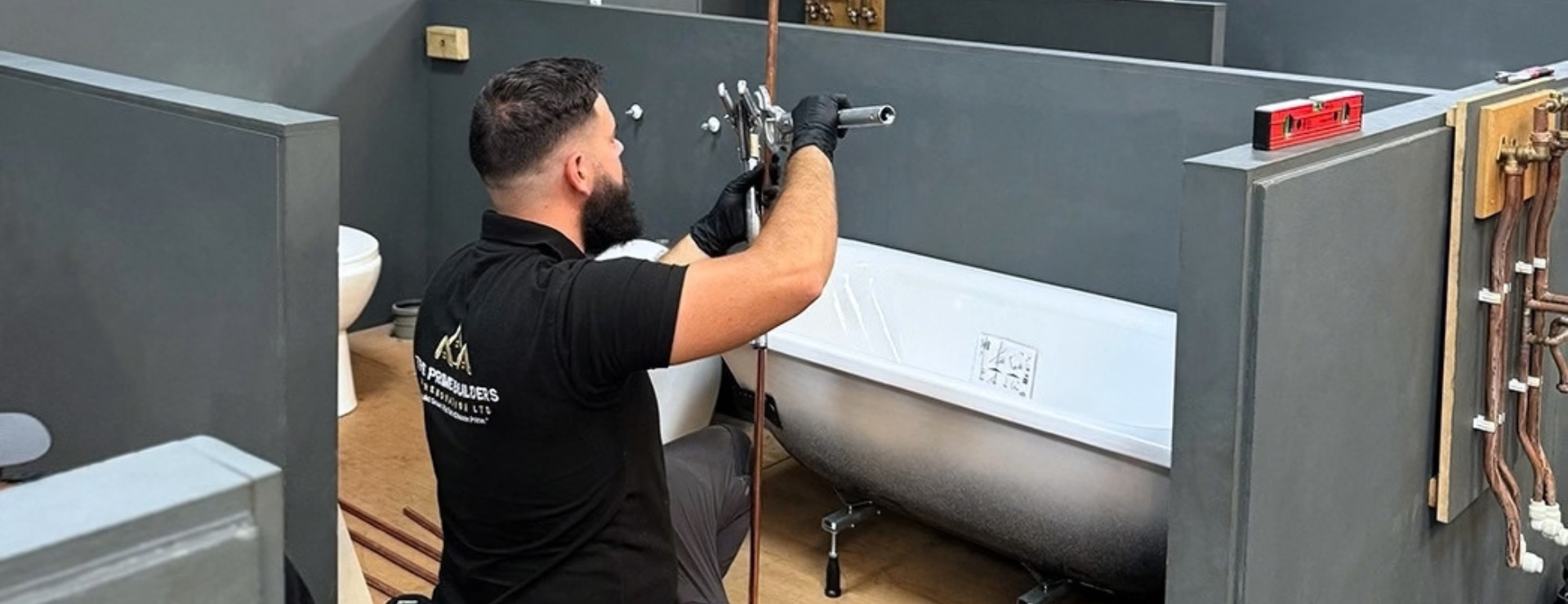
Do You Need an Apprenticeship to Become a Gas Engineer?
No. A gas engineer apprenticeship is a respected and structured route into the industry, but it is not the only option. The right route depends on your current circumstances, whether you need to earn while you learn, your previous trade experience and how quickly you can access supervised practical work.
Apprenticeship Route
An apprenticeship may be the right choice if you want paid employment while you train. You will work for an employer, develop practical skills on real jobs and complete structured training alongside your day-to-day role.
This route tends to suit people who prefer workplace-based learning and can secure a position with an apprenticeship employer. It also provides a clear programme structure, with support from both the employer and training provider as you build experience and work towards the required assessments.
For many people, an apprenticeship is a good fit when they are happy to begin their career with one employer and learn through regular work alongside experienced gas engineers.
New Entrant Route
A new entrant route can be a practical alternative if you are starting with no gas experience, changing careers or cannot find a suitable apprenticeship vacancy.
Rather than joining an employer-led apprenticeship from the start, you complete structured gas training before building your competence through supervised practical work. You will need to complete a practical portfolio, which provides evidence of the installation, servicing, maintenance and safety-related work you have carried out under appropriate supervision.
This route can suit people who want a private training option and need more flexibility at the beginning of their career. It still requires commitment to real workplace experience. The difference is that you do not necessarily need an apprenticeship employer in place before starting your initial training.
Experienced Trades Route
If you already work in a related trade, your route into gas engineering may be more targeted. Plumbers, heating engineers and other building-services professionals may already have useful technical knowledge, practical experience and familiarity with customer-site work.
For example, an experienced plumber may understand heating systems, pipework, water regulations and domestic installation work. They will still need the relevant gas training, supervised experience and ACS assessments before progressing towards Gas Safe registration, but their existing trade background can help them move into gas engineering through a route suited to experienced tradespeople.
Whichever route you choose, the destination is the same. You’ll develop the knowledge, practical experience, and recognised competence needed to progress towards Gas Safe registration.
Read our guide on how to join the Gas Safe Register to understand the final steps, from gaining the right ACS qualifications to registering with a Gas Safe registered business.
What Qualifications Do Gas Engineer Apprentices and Trainees Need?
The exact qualification structure depends on the route, the work area and the training programme. Avoid choosing a course based only on its title. Check what it includes, what practical experience is required and how it supports the next stage of your career.
Through an apprenticeship, you may complete:
- The relevant apprenticeship programme
- Technical training
- Workplace competence requirements
- Formal assessments
- Route-specific gas safety and appliance requirements
Through a new entrant route, you will normally need:
- A recognised training programme
- A completed supervised practical portfolio
- ACS initial assessment
- CCN1 core gas safety
- Relevant appliance categories for your intended work
- A Gas Safe registration application through a qualifying business
The Gas Safe Register requires applicants to have recognised qualifications for the types of gas work they intend to carry out, alongside evidence of competence.
How Important Is Practical Experience?
Practical experience is fundamental on both routes. It is not an optional extra after training.
For apprentices, experience is built into day-to-day employment. You work alongside qualified engineers and develop competence through varied jobs, customer environments and supervised tasks.
For trainees, supervised workplace experience and portfolio building are the bridge between initial training and ACS assessment. You need evidence that you understand how to work safely and can apply your skills under real conditions.
This is why a credible route into gas engineering takes time. The goal is not just to hold a certificate. It is to become competent in the categories of gas work you intend to carry out.
Do Gas Engineer Apprentices Get Paid?
Yes. Apprentices are employees, so they receive a wage while training.
Pay varies by employer, location, age, experience and the apprenticeship year. Some employers pay more than the legal minimum. The current minimum wage rules should always be checked on the official GOV.UK National Minimum Wage page, as rates can change.
This differs from a trainee or new entrant route. Private gas training is usually self-funded, although payment options and funding arrangements may be available depending on the provider and individual circumstances.
Can Adults Become Gas Engineer Apprentices or Trainees?
Yes. Apprenticeships are not only for school leavers. Adults can apply, and many people move into gas engineering after careers in construction, retail, logistics, the armed forces or office-based roles.
However, individual vacancies may have their own criteria. Logic4training’s current apprenticeship programme is aimed at applicants aged 19 or over who live in England, are not in full-time education and meet relevant residency requirements. Applicants without GCSE English and maths at grade 4/C or above may have the chance to work towards these qualifications during the apprenticeship.
A trainee route can be particularly useful for career changers who cannot secure an apprenticeship employer or want a training structure that fits their circumstances.
How Long Does It Take to Become a Gas Engineer?
The time it takes to become a gas engineer depends on the training route you choose, your existing experience and how quickly you can complete the practical work required to demonstrate competence. There is no single fixed timeframe, because every learner’s route includes a different balance of centre-based training, workplace experience, portfolio building and assessment.
A gas engineering apprenticeship usually takes around 18 to 24 months. This route combines paid employment with structured training, so the pace is shaped by the apprenticeship programme, your employer, the work available and your progress through assessments.
A new entrant route can take less time in the training centre, but the overall journey also depends on practical experience. For complete beginners, this process usually takes around 10-12 months, although it can take longer depending on the portfolio element.
Experienced plumbers, heating engineers and other relevant tradespeople may progress more quickly because they already understand related systems, safe working environments and customer-site work. However, they still need the appropriate gas training, practical evidence and ACS assessments before progressing towards Gas Safe registration. It usually takes individuals with trade experience around 8 months.
The practical portfolio is often the part that affects the total timeframe most. It requires you to gain supervised experience and collect evidence of real gas work, such as installation, servicing, maintenance and safety checks. This is important because becoming a competent gas engineer involves more than completing a short course or passing a written test.
For a fuller breakdown of each route, including typical training times for apprenticeships, new entrants, experienced tradespeople and college courses, read our guide: how long it takes to become a gas engineer.
How to Find a Gas Engineer Apprenticeship Near You
Searching “gas engineer apprenticeship near me” is a useful starting point, but always check live vacancy details before applying.
Search Current Gas Apprenticeship Vacancies
Use current opportunities, not expired listings. Look for roles that clearly state the employer, job location, training arrangement and entry requirements.
See current Logic4training apprenticeship vacancies.
Register Your Interest
If there is no suitable vacancy today, registering your interest can help you hear about future opportunities and employer matches.
Contact Logic4training apprenticeships to register your interest or discuss available routes.
Consider Employer and Training Locations
Before applying, think about:
- The employer’s location
- Your commute and travel costs
- Where training takes place
- Whether you need to drive
- The availability of local roles
- Any vacancy-specific qualifications or experience
A good apprenticeship needs to work in practical terms, not just look good on paper.
Which Gas Engineer Training Route Should You Consider?
Conclusion: Choose the Right Route Into Gas Engineering
There is no single route into gas engineering. A gas engineer apprenticeship can be an excellent option if you want to earn while you learn, gain experience with an employer and develop your skills through structured workplace training.
A trainee or new entrant route offers a credible alternative for people who are changing careers, starting with no gas experience or unable to secure an apprenticeship position. It allows you to complete professional gas training before gaining supervised practical experience, building a portfolio and progressing towards ACS assessments.
If you already work in a related trade, such as plumbing or heating, you may be able to take a more targeted route into gas. Your existing experience can be valuable, but you will still need the right training, practical evidence and gas qualifications before working towards Gas Safe registration.
Whichever pathway you choose, the priority is to build real competence. Gas engineering is a safety-critical profession, so quality training, supervised workplace experience and the right assessments all matter.
Frequently Asked Questions
How do I get a gas engineer apprenticeship?
Start by searching live apprenticeship vacancies and checking each employer’s entry requirements, location and role details. Apply directly to the employer or training provider, prepare for an interview and make sure you understand the work and travel involved. Logic4training applicants need an employer to begin, but the apprenticeship team can help look for a suitable employer match.
What is a trainee gas engineer?
A trainee gas engineer is someone developing the technical knowledge, practical ability and workplace competence needed to progress into the gas industry. They may be employed by an engineering business or following a structured new entrant route, which includes training, supervised practical work, portfolio evidence and ACS assessment.
Do gas engineer apprentices get paid?
Yes. Apprentices are employees and receive a wage while they train. The minimum legal rate depends on the apprentice’s age and whether they are in their first year. Employers can choose to pay more than the legal minimum.
Can adults become gas engineer apprentices?
Yes. Apprenticeships are not restricted to school leavers. Adult learners can apply, although age limits, residency rules, qualifications and other requirements vary by provider and vacancy. Logic4training’s current apprenticeship programme is aimed at applicants aged 19 and over who meet its relevant eligibility criteria.
Do I need practical experience before taking ACS?
As a new entrant, you need appropriate training and evidence of supervised practical experience before progressing to initial ACS assessment. Your portfolio shows that you have developed and applied relevant skills safely in real working conditions. The Gas Safe Register requires new entrants to provide evidence of on-the-job training under direct supervision when applying for ACS certification.


 Your latest offers & alerts