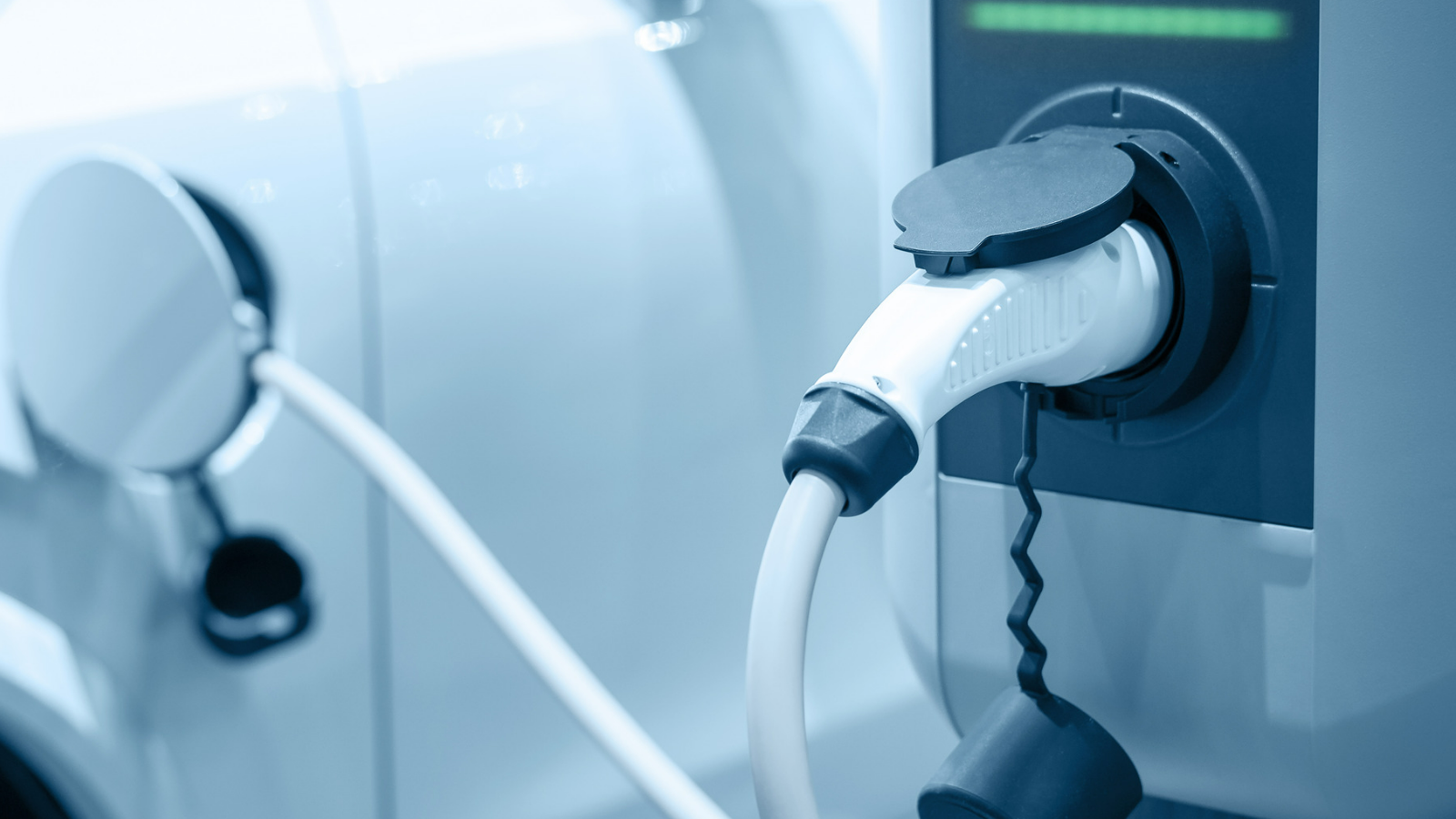

In the UK, you typically need a core electrical qualification (such as a Level 3 Electrotechnical Qualification (S/NVQ) (or equivalent), the 18th Edition and Initial Verification qualifications, plus a recognised Level 3 EV charge point installation qualification from an awarding body like City & Guilds or LCL Awards, and, if you want to access government grant work, registration with a Competent Person Scheme (CPS) and Office for Zero Emission Vehicles (OZEV) approval.
Core Qualifications & Skills You Will Need
Most EV charge point installer roles assume you already have:
- 18th Edition Wiring Regulations (BS 7671:2018+A2:2022).
- Initial Verification and Certification of Electrical Installations qualification.
- Level 3 Electrotechnical Qualification (S/NVQ) (or equivalent)
- Practical experience of installing, inspecting and testing circuits in domestic and/or commercial settings.
These underpin the additional EV knowledge you will pick up on a specialist course. They ensure you can:
- Assess supply capacity and protective devices.
- Select appropriate cable routes and protection.
- Carry out inspection, testing, fault-finding and documentation to the required standard.
If you are missing any of these, Logic4training offers a full range of electrical training courses so you can build your foundation before stepping into EV charging.
The Level 3 EV charge point qualification
To be recognised as an EV charge point installer, you will need a Level 3 qualification specifically covering EV charging. Key awarding bodies include:
- LCL Awards – Level 3 Award in the Installation and Commissioning of EV Charging Equipment.
- City & Guilds – for example, 2921 series EV charging qualifications.
- EAL – equivalent Level 3 EV charging qualifications.
Logic4training delivers a Level 3 course aligned to these standards, designed for experienced electrical operatives looking to design, install, commission and test EV charge points in domestic, commercial and industrial locations. The content is mapped to the IET Code of Practice, giving you confidence that you are working to current industry best practice.
Successful candidates meet the competency requirements for installing chargers in homes and workplaces, and can use the qualification as part of their Office for Zero Emission Vehicles (OZEV) authorisation application.
Logic4training’s Level 3 EV charging point installation course
Logic4training’s Electric Vehicle (EV) Charging Point Installation Course is a focused, intensive programme built with Rolec, one of the UK’s leading EV charge point manufacturers. It is typically delivered over 2 days and combines theory with hands-on practical assessments.
You will cover:
- Types of EV charging systems, modes and connectors.
- Site survey, load assessment and diversity.
- Earthing arrangements and open PEN protection.
- Cable selection, RCD types, fault protection and surge protection.
- Smart charging, load management and integration with time-of-use tariffs.
- Inspection, testing, commissioning and handover, including paperwork.
The course includes an online multiple-choice exam and a practical assignment where you demonstrate safe installation, testing and fault-finding on EV charging equipment.
Why EV charge point installation is a smart move
Electric vehicles are no longer niche. New models, better ranges and government targets are driving adoption, with a rapidly expanding charging network to match. This creates a clear opportunity for skilled electrical workers who want to diversify, increase day rates and tap into long-term, sustainable work.
As petrol and diesel vehicles are phased out, homes, workplaces, car parks and fleets all need safe, compliant EV charging infrastructure. Installers who understand the regulations, grants and technology can position themselves as trusted specialists rather than just “another electrician”.
How EV charging fits with renewables and “net zero” homes
EV charging is rarely a standalone decision any more. Many homeowners are looking at whole‑home decarbonisation, combining:
- Solar PV to generate electricity.
- Battery storage to shift use to cheap or self‑generated power.
- Heat pumps or efficient electric heating.
- Domestic EV charging to replace petrol and diesel.
Installers who understand how these systems connect can offer complete, high‑value solutions rather than one‑off jobs. For example, you might design a system where daytime solar generation tops up a battery, which then charges the car overnight on a cheap tariff, cutting running costs and carbon.
Can any electrician install an EV charge point?
Any competent electrician can physically wire a charger, but that is not the full story. To work safely, legally and profitably in this space you need:
- The right EV-specific qualification.
- A solid understanding of the IET Code of Practice for EV Charging Equipment Installation.
- Registration with a Competent Person Scheme (CPS) or ECA if you want to work on grant-funded projects.
If you want customers to benefit from OZEV grants (home or workplace schemes), you must be authorised by OZEV and meet their installer criteria. That means EV training, CPS/ECA membership, appropriate insurance and links with recognised charge point manufacturers.
Do you have to be a fully qualified electrician?
For general, non‑grant work, you do not always need to be a fully qualified electrician with an NVQ, but you do need strong electrical knowledge and experience. Logic4training’s EV charging course is aimed at experienced electrical operatives, including:
- Practising electricians.
- Domestic electrical installers.
- Electrical technicians and engineers who work on installation, inspection and testing.
However, to register as an OZEV authorised installer, you will usually need a Level 3 electrotechnical qualification (such as an NVQ), 18th Edition and proof of formal EV charge point training. This is important if you plan to win grant-funded work for flats, rental properties or commercial clients.
If you are new to the trade and want to work towards this level, start by retraining as an electrician, then add EV specialism once you have core qualifications in place.
Becoming an OZEV authorised installer
If you want to claim grants for your customers, you must apply to become an OZEV authorised installer for the relevant scheme. For the current EV chargepoint grants (focused on flats and rented properties, plus commercial schemes), OZEV typically expects:
- Proof of membership with a government‑approved Competent Person Scheme (e.g. NICEIC or NAPIT). Proof of formal EV charging point training, such as a Level 3 EV charging qualification.
- Approval from at least one recognised charge point manufacturer to install their products.
- Public liability insurance, usually at least £5 million.
You also need to follow OZEV’s rules for each installation: checking customer eligibility, using OZEV‑approved charge point models, testing and certifying the work, and keeping photographic and documentary evidence. Full guidance is available on GOV.UK under Become an authorised installer.
Step‑by‑step: how to become an EV charge point installer
A simple route to follow is:
- Get your core electrical qualifications
- Complete Level 3 electrotechnical training (or equivalent) if you aim for full electrician status.
- Gain 18th Edition Wiring Regulations and an Initial Verification qualification.
- Build real‑world experience
- Work on domestic and/or commercial installations.
- Focus on consumer units, sub‑mains, external supplies and inspection & testing.
- Take a specialist EV charging course
- Book Logic4training’s Electric Vehicle Charging Point Installation Course.
- Complete the theory, practical and assessment to gain your Level 3 EV qualification.
- Join a Competent Person Scheme and secure manufacturer approvals
- If not already registered, join NICEIC, NAPIT, ELECSA or similar.
- Undertake any manufacturer‑specific training required by the brands you want to install.
- Apply for OZEV authorisation (optional but recommended)
- Collect your CPS/ECA membership evidence, insurance, EV training certificate and manufacturer approvals.
- Apply via the OZEV authorised installer portal.
- Market your new service
- Highlight your EV qualification, OZEV status and manufacturer partnerships in your marketing.
- Use platforms like Checkatrade and social media, and build relationships with car dealers, developers and property managers.
Typical work you can do as an EV installer
Once qualified, your workload can be varied. Common opportunities include:
- Home charge points for homeowners and tenants with off‑street parking.
- Chargers for landlords and blocks of flats using the EV chargepoint grant.
- Workplace and fleet charging for SMEs and larger organisations.
- Public and destination charging for car parks, retail parks and hospitality.
- Work often goes beyond a simple install. You might be:
- Upgrading consumer units or sub‑mains to support EV loads.
- Combining chargers with solar PV and battery storage for smarter energy use.
- Advising on tariff optimisation and load management.
Logic4training covers this wider context in its EV and energy storage course suite, including Electric Vehicle Charging and Energy Storage courses, Solar PV training and Electrical Energy Storage Systems (battery storage) training.
Summary
To work as an EV charge point installer in the UK you will usually need a solid electrical background, including a Level 3 Electrotechnical Qualification (S/NVQ) or equivalent, 18th Edition Wiring Regulations and an Initial Verification qualification, backed up by real‑world experience of installing, inspecting and testing circuits in domestic and/or commercial environments. On top of this, you will need a dedicated Level 3 EV charging qualification from an approved awarding body such as LCL Awards, City & Guilds or EAL, taught in line with the IET Code of Practice so you can design, install, commission and test charge points safely and in line with current standards.
If you want to access government‑funded work and claim grants on behalf of customers, you will also need to join a Competent Person Scheme (for example NICEIC or NAPIT), gain approval from at least one recognised charge point manufacturer and apply for Office for Zero Emission Vehicles (OZEV) authorised installer status.
FAQs
Do I need an NVQ to install EV chargers?
You do not always need an NVQ to physically install EV charge points, but most structured EV courses and OZEV authorisation expect a Level 3 electrotechnical qualification or equivalent, plus 18th Edition and inspection & testing.
Can a Domestic Electrical Installer take Logic4training’s EV course?
Generally not. Candidates would need to hold a level 3 qualification such as a Level 3 Electrical NVQ or Level 3 Qualified Supervisor qualification. The course is aimed at experienced electrical operatives, including DEIs, as long as you hold an 18th Edition and an Initial Verification qualification and are comfortable with installation and testing work.
Is EV charging work only domestic?
No. There is strong growth in workplace, fleet, retail and public charging, often involving higher power and more complex load management. Starting with domestic is common, but many installers quickly move into commercial projects.
How long does it take to become an EV installer?
If you are already an experienced electrician, you can complete the specialist EV course in a matter of days, then apply for OZEV and manufacturer approvals within a few weeks. If you are new to the trade, allow time to gain core electrical qualifications first.



 Your latest offers & alerts