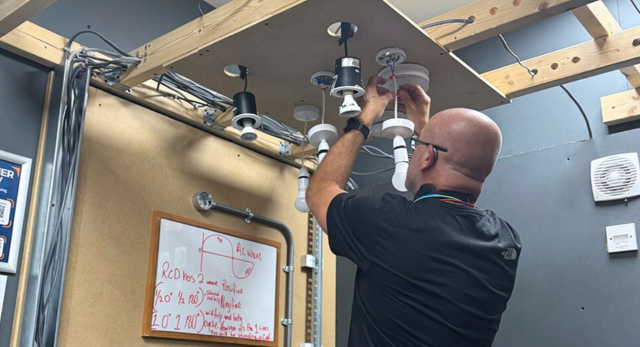

The Competent Person Scheme (CPS) is a government-approved programme that empowers qualified tradespeople to self-certify their work as compliant with Building Regulations. In 2025, with stricter energy, safety, and accessibility standards, understanding CPS is more important than ever. This article delivers clear, authoritative answers to the most common questions about the scheme to help homeowners, installers, and businesses navigate compliance with confidence.
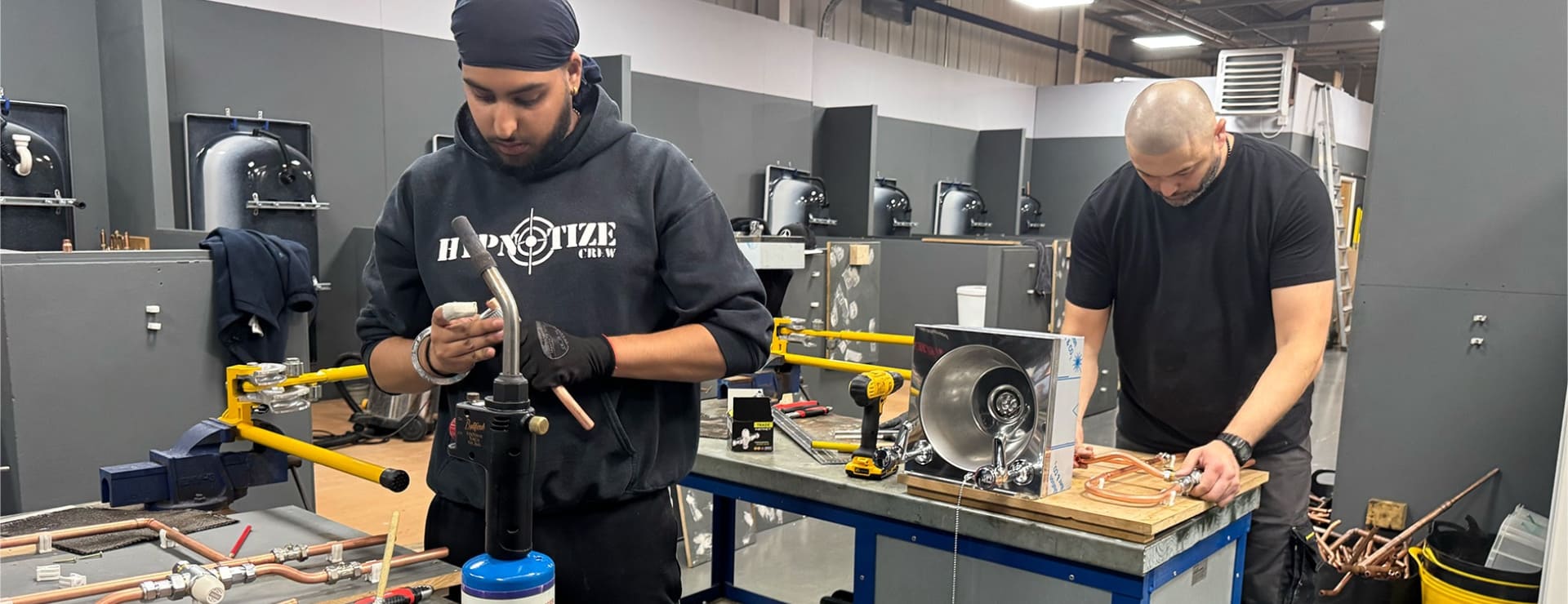
What Is the Competent Person Scheme?
The CPS was introduced to simplify compliance with Building Regulations in England and Wales. Instead of relying solely on Local Authority Building Control (LABC) inspections, registered installers can self-certify their work. This system is designed to:
- Reduce delays: Work can progress without waiting for third-party inspections.
- Lower costs: Homeowners and businesses save on inspection fees.
- Ensure quality: Only installers who meet rigorous standards can join a CPS.
- Provide legal assurance: Certificates issued by CPS members are recognised for property sales and insurance.
CPS membership is available for a range of trades, including electrical, gas, plumbing, and renewable energy installations. The scheme is overseen by government-approved bodies, ensuring ongoing compliance and consumer protection.
Why Is the Competent Person Scheme Important?
The Competent Person Scheme (CPS) is fundamental to maintaining high standards and legal compliance in the UK’s building and home improvement sectors. Its significance is multifaceted, supporting homeowners, trades professionals, and the wider industry through robust quality assurance, consumer protection, and regulatory alignment.
Ensures Legal Compliance
The CPS operates under the oversight of government-approved bodies, ensuring that only qualified and vetted professionals are authorised to self-certify their work as compliant with Building Regulations. This self-certification process is not just a formality. It requires installers to demonstrate up-to-date knowledge, practical competence, and adherence to evolving standards through regular assessments and ongoing professional development.
- Reduced legal risk: By ensuring that work is completed by certified professionals, property owners and tradespeople avoid potential fines, enforcement action, or costly rectification work associated with non-compliance.
- Documentation: The certificates issued by CPS members serve as official proof that work meets statutory requirements, which is vital during property transactions, remortgaging, or insurance claims.
Protects Homeowners and Occupiers
Homeowners benefit directly from the CPS by gaining assurance that all notifiable work, such as electrical installations, gas appliances, and major plumbing projects, has been completed to recognised safety and quality standards.
- Safety assurance: The scheme covers work that, if carried out incorrectly, could pose significant risks to life and property. Compliance certificates confirm that installations have been checked and meet the latest safety regulations.
- Future-proofing: These certificates are often required when selling a property, ensuring a smooth transaction and protecting the value of the home.
Streamlines the Building Process
The CPS streamlines project delivery by removing the need for repeated local authority inspections for notifiable work. This efficiency benefits both clients and tradespeople:
- Time-saving: Projects can progress without waiting for third-party inspections, reducing delays and helping to keep work on schedule.
- Cost-effective: By eliminating unnecessary inspection fees, both homeowners and businesses can manage budgets more effectively.
Supports Professional Standards
Membership in a CPS is a mark of professionalism and commitment to best practice. To join, tradespeople must demonstrate relevant qualifications, practical experience, and ongoing engagement with industry developments.
- Continuous professional development: CPS members are required to undertake regular training and reassessment, ensuring their skills remain current and aligned with the latest regulations.
- Market differentiation: Being CPS-registered sets professionals apart in a competitive market, giving clients confidence in their expertise and reliability.
Promotes Consumer Confidence
The CPS is underpinned by government approval, providing an additional layer of trust for consumers. Homeowners and businesses can verify an installer’s credentials through public registers, reducing the risk of hiring unqualified or rogue traders.
- Transparency: The ability to check credentials online empowers consumers to make informed choices and avoid substandard work.
- Dispute resolution: Most CPS providers offer mechanisms for addressing complaints or disputes, further safeguarding consumer interests.
Adapts to Industry Change
The CPS is designed to evolve alongside changes in Building Regulations and sustainability targets. As the UK moves towards net zero emissions and implements stricter standards for energy efficiency, fire safety, and accessibility, the scheme ensures that work across electrical, gas, plumbing, and renewables sectors remains compliant.
- Regulatory alignment: CPS members receive regular updates and training to stay ahead of legislative changes, reducing the risk of falling behind and facing compliance issues.
- Sector-wide impact: By maintaining high standards across the industry, the CPS contributes to safer, more sustainable buildings and a more professional workforce.
In summary, the Competent Person Scheme is essential for safeguarding standards, protecting consumers, and supporting a skilled, reputable workforce in the UK’s built environment. Its robust framework ensures that legal, safety, and quality requirements are met, benefiting everyone involved in the construction and home improvement process.
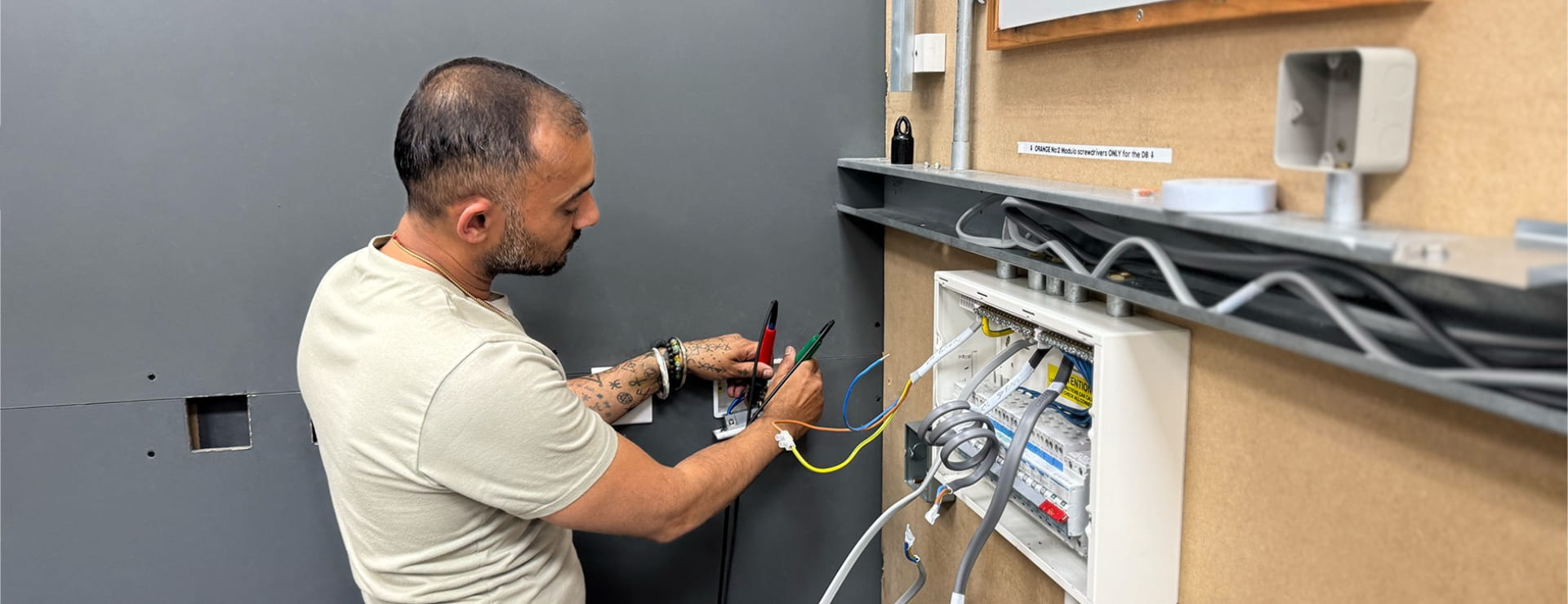
Competent Person Schemes (CPS) in the UK
The UK’s Competent Person Schemes (CPS) are government-authorised systems that allow qualified tradespeople and businesses to self-certify that their work complies with Building Regulations. Different schemes cover specific types of building work, each run by an approved provider. Below is a summary of the main CPS schemes and their areas of coverage:
| Scheme Name | Area of Work Covered | Notes/Typical Use Cases |
|---|---|---|
| NICEIC | Electrical installations, renewable energy | Leading provider for electricians |
| NAPIT | Electrical, heating, plumbing, ventilation | Broad coverage, popular with multi-trades |
| Gas Safe Register | Gas installations and servicing | Mandatory for all gas work |
| OFTEC | Oil heating, solid fuel, renewable technologies | Essential for oil and some renewables |
| HETAS | Solid fuel and biomass heating | Required for wood, pellet, and biomass |
| FENSA | Replacement windows and doors | Most widely recognised glazing scheme |
| Certass | Windows, doors, roofline products | Alternative to FENSA |
| BESCA | Ventilation, air conditioning, heating, plumbing | Covers commercial and domestic work |
| APHC | Plumbing and heating | For plumbing contractors |
| BBA | Solid wall insulation | For insulation installers |
| CIGA | Cavity wall insulation | For insulation specialists |
| NFRC | Roofing | For roofing contractors |
| Assure | Glazing, insulation, electrical, heating | Covers multiple trades |
| Blue Flame Certification | Insulation, glazing, electrical, oil heating, ventilation, heating controls | Covers multiple trades |
Key Points:
- Electrical Work: NICEIC, NAPIT, and ELECSA are the main schemes for domestic and commercial electrical installations.
- Gas Work: The Gas Safe Register is the only legal scheme for gas installations and servicing.
- Heating & Plumbing: OFTEC (oil), HETAS (solid fuel), and APHC (plumbing) are the main schemes.
- Windows & Doors: FENSA and Certass are the principal schemes for replacement glazing.
- Insulation & Roofing: BBA, CIGA/CWISC, and NFRC cover insulation and roofing work.
- Ventilation & Air Conditioning: BESCA is a leading scheme for these systems.
How to Choose the Right Scheme
- Trade-Specific: Select a scheme that matches your area of work.
- Government Approval: Only join schemes authorised by the Department for Levelling Up, Housing and Communities (DLUHC).
- Scope: Some schemes cover multiple trades, which is useful for multi-skilled businesses.
For a full, up-to-date list of authorised schemes and their scopes, visit the official government guidance.
What Types of Work Are Covered?
The CPS covers a wide range of notifiable works, including but not limited to:
- Electrical installations: Full or partial rewires, consumer unit changes, and work in high-risk areas (e.g., kitchens, bathrooms).
- Replacement windows and doors: Ensures thermal performance and safety compliance.
- Plumbing and hot water systems: Installation of unvented and vented cylinders, new bathrooms, and water-saving measures.
- Roofing and insulation: Roof replacements, cavity wall insulation, and loft insulation upgrades.
- Gas installations and servicing: Boilers, cookers, fires, and safety checks.
How Does the Competent Person Scheme Work?
Understanding the mechanics of the Competent Person Scheme (CPS) is essential for both homeowners and trades professionals aiming to ensure building work meets legal and safety standards. The scheme is built on rigorous entry requirements, ongoing assessments, and transparent certification procedures.
Homeowners benefit from straightforward access to compliant professionals and receive official documentation confirming that work has been carried out to the latest standards. For installers, the CPS provides a pathway to professional recognition, allowing them to issue compliance certificates directly and maintain a competitive edge in the industry.
2026 Building Regulations: What’s important now?
The Building Regulations are continuing to evolve as the UK moves towards net zero, with a strong focus on energy efficiency, low‑carbon heating and safety in homes and non‑domestic buildings. For Competent Person Scheme (CPS) members, staying on top of these changes is essential, because your work is being self‑certified as compliant every time you notify an installation.
Future Homes and Building Standards on the horizon
The government’s Future Homes and Future Buildings Standards are aimed at cutting carbon emissions from new homes and non‑domestic buildings, with interim changes already in place via the latest updates to Parts L (Conservation of fuel and power) and F (Ventilation). Installers working under CPS schemes need to understand how improved fabric efficiency, airtightness and ventilation requirements affect their designs and product choices.
Low‑carbon heating and hot water
Policy direction is increasingly towards heat pumps, hybrid systems and high‑efficiency boilers, supported by updated guidance in Parts L and G (Sanitation, hot water safety and water efficiency). CPS‑registered gas, plumbing and heating installers must ensure new and replacement systems are correctly sized, efficiently controlled and documented to meet current performance targets.
Ventilation, indoor air quality and overheating
As buildings become more airtight, there is greater emphasis on delivering effective ventilation and preventing overheating, reflected in updates to Parts F and O. Electrical, mechanical and building services contractors working under CPS need to pay close attention to fan performance, ductwork design and control strategies, particularly in new‑build and major refurbishment projects.
Fire safety and electrical/gas safety interactions
Fire safety remains a major priority, with requirements in Part B continuing to influence how services are routed, protected and controlled, especially in multi‑occupancy and higher‑risk buildings. CPS‑registered electricians and gas engineers must make sure their work respects compartmentation, escape routes and fire detection/alarms, and that manufacturer instructions and relevant British Standards are followed in full.
Accessibility and usability of services
Requirements in Part M (Access to and use of buildings) have a growing impact on the positioning and usability of controls, switches, outlets and plant. For CPS members, this means thinking not only about technical compliance, but about how end users will safely operate heating, hot water and electrical systems throughout the life of the building.
Because CPS membership is based on trust and self‑certification, scheme operators expect members to keep pace with these developments through regular CPD, manufacturer training and, where appropriate, formal update courses.
How to Join a Competent Person Scheme
Step-by-Step Guide
- Complete recognised training: Choose courses tailored to your trade. See Our courses for options in gas, electrical, plumbing, and renewables.
- Build experience: Most schemes require a portfolio of completed work and references.
- Submit your application: Provide evidence of qualifications, insurance, and experience to your chosen CPS provider.
- Assessment and approval: Undergo technical assessments and, if successful, gain CPS membership.
- Maintain your status: Engage in ongoing training and periodic reassessment to stay compliant.
We have covered this topic in our article: How to register with a Competent Person Scheme
Common Pitfalls and How to Avoid Them
- Using unregistered installers: This can result in non-compliant, unsafe work and legal complications.
- Losing documentation: Always keep compliance certificates; they’re essential for property sales and insurance.
- Falling behind on regulations: Building Regulations change frequently. Regular training is vital to avoid costly mistakes and maintain CPS status.
The Future of the Competent Person Scheme
The CPS will remain central as the UK moves towards net zero and stricter building standards. Professionals who invest in their training and maintain CPS registration will be best positioned to meet future demand and regulatory expectations. Ongoing learning and adaptation are key to long-term success in the industry.
FAQs
What is a Competent Person Scheme and why do I need it?
A CPS allows qualified tradespeople to self-certify that their work complies with Building Regulations, ensuring legal compliance and saving time.
How do I find a registered installer?
Use the Competent Person Register to find and verify qualified professionals in your area or visit www.competentperson.co.uk and enter your postcode, or the name of an installer.
What happens if work isn’t certified?
Uncertified work may be illegal, unsafe, and could cause issues when selling your property or making insurance claims.
How do I join a Competent Person Scheme?
Complete relevant training (such as those from Logic4training), gain experience, and apply to an approved scheme for assessment.
FAQs
What is a Competent Person Scheme and why do I need it?
A CPS allows qualified tradespeople to self-certify that their work complies with Building Regulations, ensuring legal compliance and saving time.
How do I find a registered installer?
Use the Competent Person Register to find and verify qualified professionals in your area or visit www.competentperson.co.uk and enter your postcode, or the name of an installer.
What happens if work isn’t certified?
Uncertified work may be illegal, unsafe, and could cause issues when selling your property or making insurance claims.
How do I join a Competent Person Scheme?
Complete relevant training (such as those from Logic4training), gain experience, and apply to an approved scheme for assessment.



 Your latest offers & alerts