
Last updated: 15th June 2026 | Originally published: 26th February 2025
Using data from the plumbers we have trained, this insight outlines key plumbing jobs, average costs, pricing structures, and the factors that influence rates in 2026, with year-on-year comparisons to our 2025 findings throughout.
Plumber’s Rates
Understanding the cost structure of plumbing services is key to planning budgets and avoiding unexpected expenses. Plumbing rates can vary a lot. They depend on the plumber’s experience, the job’s size, and whether it is a scheduled service or an emergency call.
Hourly Rates
Plumbers’ hourly rates typically range between £25 and £110 per hour, with an average of £58. In 2025, the range was £20 to £95 with an average of £45, so typical hourly rates have risen by around £13 (roughly 29%) year-on-year, reflecting higher material and running costs.
Day Rates
Plumbers’ day rates vary from around £200 to £700 per day, with an average of £368. Commercial plumbers generally charge at the higher end. In 2025, the average day rate was £331 (range £180 to £700), so day rates have edged up by around £37 (roughly 11%).
Emergency Call-Outs
Emergency call-out fees typically range from £40 to £150, broadly unchanged from 2025, though some plumbers charge up to £250 or apply a time-and-a-half or 50% surcharge on their standard rate. Emergency hourly rates run at around £80 per hour, with incremental charges for additional time.
These rates reflect a combination of standard repairs, maintenance tasks, and large-scale installations. Many plumbing professionals have set prices based on the type of work, and some offer discounts for repeat customers or long-term service contracts.
Most Common Plumbing Jobs and Their Costs
Based on a survey of experienced plumbers, here are the most frequently requested jobs and their typical costs. These figures reflect current 2026 market ranges:
Note: Costs vary based on location, scope of work, and materials.
This not only serves as a plumber’s price list for the UK but also addresses key queries such as how much do plumbers charge per hour, the typical plumber day rate, and plumber call-out fees. By understanding these figures, homeowners and property managers can better plan their budgets, while professionals gain valuable insights into current market trends.
Key Factors Influencing Plumbing Costs
Several key elements affect plumbing service pricing, making it essential for customers to understand what contributes to cost variations:
- Scope of Work
- Repairs, such as fixing a leaky tap, are significantly cheaper than large-scale installations like fitting a full bathroom suite or installing a new heating system.
- Materials & Market Conditions
- Costs change based on the materials chosen, and premium or eco-friendly fixtures usually cost more. This year, 93% of participants noticed a rise in material costs over the past year (a sharp increase from 70% in 2025), with inflation and supplier prices pushing job costs up.
- Location
- Plumbers in major cities, particularly in London, generally charge higher fees than those in rural areas, reflecting the increased cost of living and demand for services.
- Experience
- Highly experienced plumbers tend to charge higher rates due to their efficiency, certifications, and specialist skills in areas like renewable heating systems such as heat pumps or complex drainage solutions.
- Repeat vs. New Clients
- On average, around 68% of a plumber’s work comes from repeat customers, and those with a high proportion of loyal clients often provide slightly discounted rates or priority booking.
By understanding these factors, customers can better plan their plumbing needs, while plumbers can dial in their pricing to remain competitive.
Plumbers’ Current Workload
Understanding the current workload of plumbers provides valuable insight into industry demand and service availability. Based on the latest survey data (with 2025 figures for comparison):
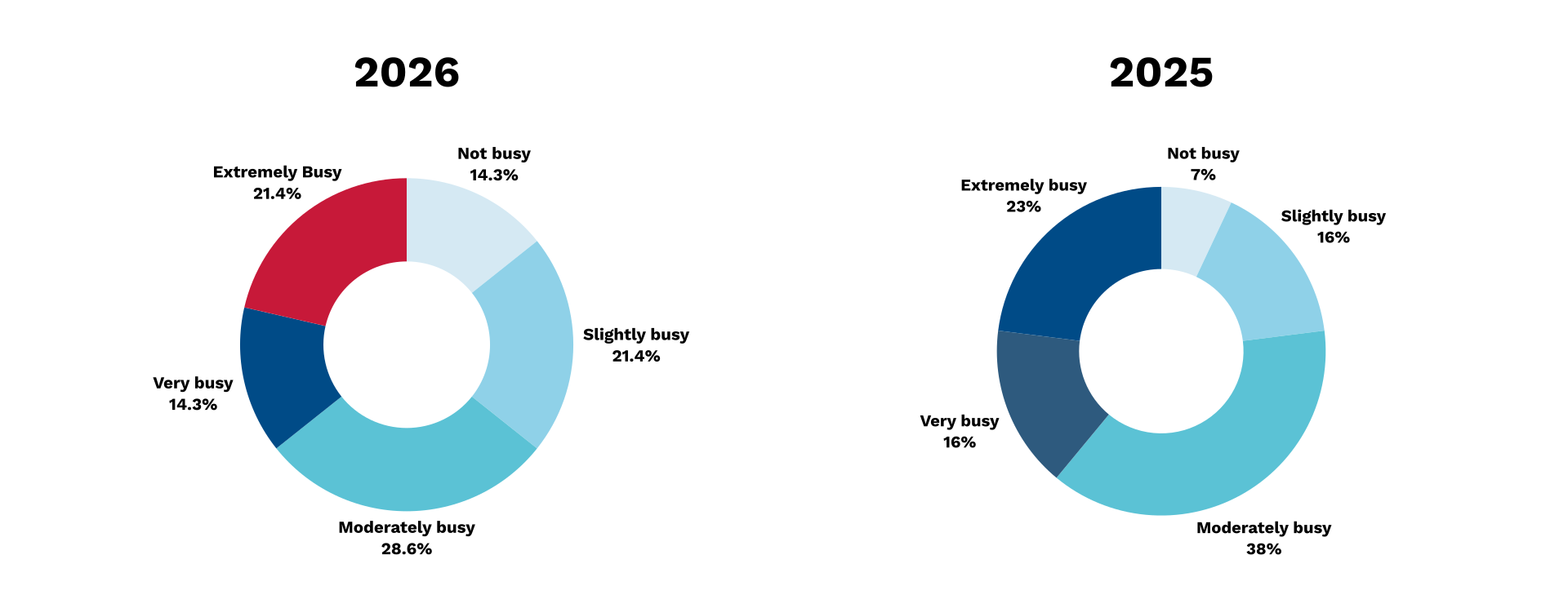
- Not busy: Plenty of capacity for additional work – 14.3% (2025: 7%)
- Slightly busy: Rarely overwhelmed – 21.4% (2025: 16%)
- Moderately busy: Comfortable with occasional peaks – 28.6% (2025: 38%)
- Very busy: Manageable but challenging – 14.3% (2025: 16%)
- Extremely busy: Struggling to manage the workload – 21.4% (2025: 23%)
The majority of plumbers still report being moderately to extremely busy, indicating strong ongoing demand for plumbing services. Compared with 2025, however, a slightly larger share now have spare capacity, suggesting some easing in workload. Homeowners and businesses seeking plumbing services may still benefit from scheduling work in advance to secure availability.
How Customers Respond to Pricing
Customer reactions to pricing vary based on individual expectations, perceived value, and market awareness. Our data shows (with 2025 figures for comparison):
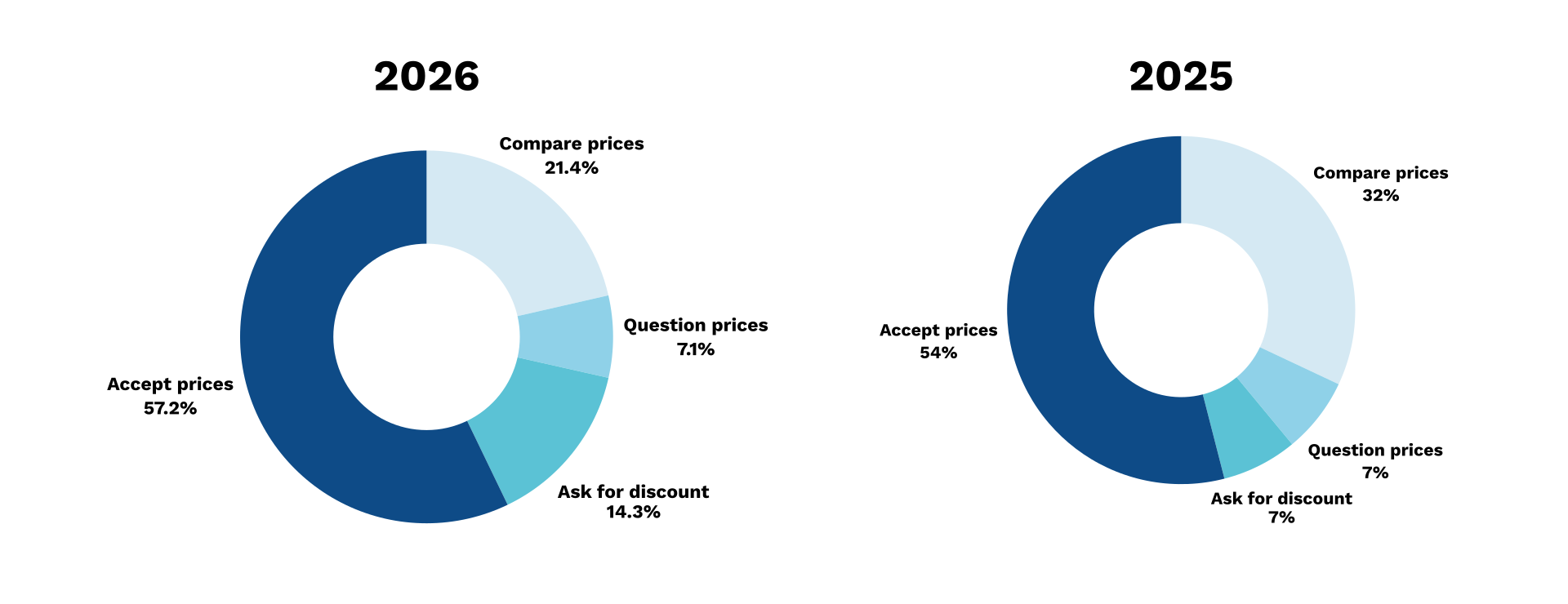
- 57.1% of customers accept prices without question (2025: 54%).
- 21.4% of customers compare prices with competitors before booking (2025: 32%).
- 14.3% of customers ask for discounts (2025: 7%).
- 7.1% of customers question pricing (2025: 7%).
Compared with 2025, slightly more customers now accept prices outright, while fewer shop around, though the share asking for discounts has doubled, a sign of growing price sensitivity among some clients. As a plumber, knowing how customers react to pricing can help you adjust your communication and pricing strategy. Showing clear pricing details can build trust with cost-conscious clients, while emphasising service quality and reliability appeals to those less concerned about price.
Will Plumbing Prices Increase in 2026?
The plumbing industry anticipates further price adjustments in 2026, influenced by various economic factors. Insights from plumbers who have trained with us reveal a marked shift from last year (with 2025 figures for comparison):
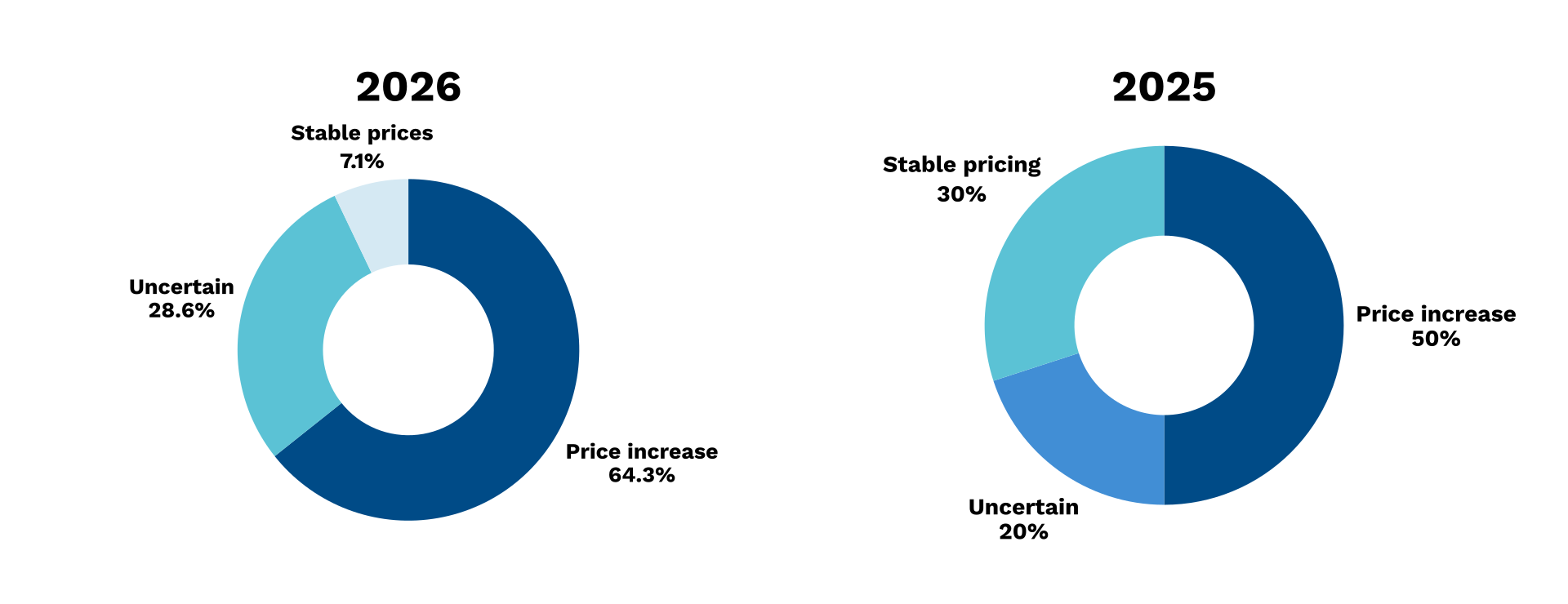
- 64.3% predict prices will rise (2025: 30%), citing increasing material costs, fuel, National Insurance contributions, and labour expenses as the main drivers.
- 28.6% are uncertain about pricing trends (2025: 20%), acknowledging the unpredictable economic conditions.
- 7.1% predict stable pricing (2025: 50%), expecting competitive pressures to keep prices in check.
The headline change in 2026 is clear: far more plumbers now expect prices to rise, and very few anticipate stable pricing. Respondents who anticipate a rise have highlighted the following key factors:
Materials
The biggest factor is the rise in material costs. 93% of respondents have noticed an increase over the past year (up from 70% in 2025), with prices typically up between 10% and 35% , a higher range than the 5%-20% reported in 2025. One plumber noted a tap that cost £75 at the start of 2025 had risen to £101 by November, while several reported certain materials had nearly doubled in price. These hikes directly impact overall project costs.
Increased Operational Costs
Rising fuel expenses and higher employer National Insurance contributions remain significant concerns. Several respondents noted that these costs are being passed on to clients, leading to elevated service charges.
Escalating Overheads
The surge in administrative responsibilities, particularly with certifications like MCS and water regulations compliance, coupled with increases in staff wages, energy bills, and vehicle replacement costs, continues to strain businesses. Many find it unsustainable to absorb these expenses without adjusting service prices.
Geographical Constraints
Operating within certain areas, such as inside the M25, has become less viable because of ULEZ, emissions charges, and increased parking costs.
Economic Factors
The broader economic environment, including the cost-of-living squeeze and reduced disposable income among clients, continues to affect service demand and pricing flexibility.
Collectively, these factors contribute to the anticipated increase in the cost of plumbing jobs through 2026.
Conclusion
Plumbing tasks, ranging from straightforward leak repairs to complete bathroom renovations, will continue to be a cornerstone of UK property maintenance in 2026. Costs can fluctuate based on job scope, materials, and location, making it crucial for homeowners, property managers, and plumbers alike to stay updated on pricing trends and industry regulations.
If you’re exploring a plumbing career or looking to refine your skills, consider our plumbing courses, from learning how to become a plumber and gaining your Water Regulations (WRAS) and unvented hot water (HWSS) qualifications, through to air source heat pump training for the shift to low-carbon heating.
You might also find our survey guides on gas engineer rates and electrician day rates useful, and you can browse more data and guidance in our latest insights.
Remember: Every job is unique, so always consult qualified professionals for precise quotes and to maintain safety standards. With the right information and planning, you’ll be well-prepared to navigate the plumbing landscape in 2026.
FAQs
How much do plumbers charge per hour in the UK?
Plumbers in the UK typically charge between £25 and £110 per hour, with an average hourly rate of around £58 in 2026, according to Logic4training’s survey of experienced plumbers. Rates sit at the higher end for specialist work or in high-demand areas such as London. This is up from an average of £45 per hour in 2025.
What is the average plumber day rate in the UK in 2026?
The average plumber day rate in the UK is around £368 per day in 2026, with most rates falling between £200 and £700 depending on experience, location, and job complexity. Commercial plumbers generally charge at the higher end. This compares with an average of £331 per day in 2025.
How much does a plumber charge for an emergency call-out?
Emergency plumber call-out fees typically range from £40 to £150, though some charge up to £250 or apply a time-and-a-half or 50% surcharge on their standard rate. Emergency hourly rates run at around £80 per hour, with additional charges for extra time.
How much does it cost to fix a leak?
Leak repairs typically cost between £80 and £250, with an average of around £165, depending on how accessible the leak is and the extent of any damage. Tracing hidden leaks in older or communal buildings can sit at the higher end.
How much does it cost to replace a hot water cylinder?
Replacing a hot water cylinder typically costs between £400 and £600, averaging around £500. Work on unvented cylinders must be carried out by a qualified plumber holding the relevant hot water systems and safety certification.
How much does a new bathroom installation cost?
A full bathroom installation typically costs between £4,000 and £6,000, averaging around £5,000. The final price depends heavily on the size of the room, the quality of fixtures and tiling, and the amount of pipework and structural change required.
How much does it cost to install an air source heat pump?
An air source heat pump (ASHP) installation typically costs between £8,000 and £12,000, averaging around £10,000, before any government grants. The Boiler Upgrade Scheme can reduce the cost for eligible homeowners.
How much does it cost to replace a tap?
Replacing a tap typically costs between £50 and £100 in labour, depending on the type, around £50 for a basin tap, £70 for a kitchen tap, and £100 for a bath tap, based on 2026 survey responses. Prices rise if the existing pipework or isolation valves also need work.
Will plumbing prices increase in 2026?
Around 64% of plumbers expect prices to rise in 2026, up sharply from 30% in 2025, while about 29% are uncertain and only 7% expect stable pricing. The main drivers are rising material costs, noticed by 93% of those surveyed, typically up 10-35%, alongside higher fuel, labour, and overhead costs.
Do plumbers charge more in London?
Yes. Plumbers in London and other major cities generally charge more than those in rural areas, reflecting a higher cost of living, stronger demand, and added overheads such as ULEZ, emissions charges, and parking costs inside the M25.


 Your latest offers & alerts