

Last updated: 15th June 2026 | Originally published: 26th February 2025
Drawing on the latest data from our trained electricians, this insight provides a breakdown of common electrical services, average pricing, and the key factors affecting costs.
Electrician’s Rates
Being aware of typical rate structures can help customers plan budgets and avoid surprises. Electricians’ rates differ based on experience, job complexity, and whether the task is pre-booked or an emergency call-out.
Hourly Rates
Electricians’ hourly rates typically range from £12 to £75, with the average at £38. By comparison, in 2025 the range was £12.50 to £75 with an average of £44, so typical hourly rates have softened slightly year-on-year. More specialised or experienced electricians may charge at the higher end of this spectrum, and a small number of electricians in high-demand areas such as central London quote well above it.
Day Rates
Electricians’ day rates range from £96 to £600 per day, with the average at £312. In 2025, the equivalent range was £125 to £600 with an average of £335, meaning average day rates have eased by around £23 (roughly 7%). Commercial or specialised electrical work usually commands higher day rates, and bespoke installations in London can run higher still.
Emergency Call-Outs
From our survey, electrical emergency call-out fees generally start from around £24, with most flat call-out charges sitting between £65 and £120. Some electricians charge an emergency hourly rate of about £25, while a handful do not provide emergency call-outs at all, so availability may be limited. In 2025, call-out fees were reported to start at around £27 per hour, with higher fees reaching £125, which is broadly in line with this year’s findings.
These figures reflect a mix of routine repairs, maintenance tasks, and large-scale installations. Many electrical professionals also offer structured pricing for specific jobs, alongside possible discounts for repeat clientele or extended service contracts.
The electrical sector remains a vital component of the UK’s infrastructure, powering homes and businesses with lighting, heating controls, and appliance installations. Whether you’re a homeowner planning a consumer unit upgrade, a landlord ensuring safety compliance, or an electrician setting competitive rates, staying informed on current electrical job costs in 2026 is essential.
How Much Do Electricians Earn in 2025?
According to the Office for National Statistics (ONS) Annual Survey of Hours and Earnings (ASHE), 2025, electricians have topped the trades salary charts for years, with median full-time earnings of £39,039, up from the £38,760 figure reported in the previous survey, and that figure keeps climbing. If you’re weighing up the trade, our page on how to become an electrician breaks down the qualifications and routes in.
Looking at our recent 2026 survey, the average day rate for electricians was £312 (down from £335 in 2025). Applied to a 5-day, 52-week working year, it would be £81,120 annually, compared with £87,100 on last year’s figures. It is important to note that a very small number, if any, of individuals would work 5 days a week for all 52 weeks in a year. So, whilst this is higher than the figure stated by the ONS, time for annual leave and absences from work should be taken into consideration.
How Much Do Apprentice Electricians Earn?
Everyone starts somewhere. For apprentice electricians, legally, the starting salary is £8.00 per hour, up from £7.55 in 2025. It’s not glamorous, but it’s a solid foot in the door and can increase year by year. The table below compares the statutory starting salaries for apprentices in 2025 and 2026 across different ages.
The 2026 figures are up-to-date as of 1st April 2026 and in accordance with the UK government’s outline for apprentices’ salaries. Apprentices aged 19 or over who have completed their first year move to the National Minimum Wage for their age band (£10.85 for 18–20 year olds, £12.71 for those aged 21 and over).
Most Common Electrical Jobs and Their Costs
Data from a survey of experienced electricians reveals the top-requested jobs and typical price ranges. The table below shows 2026 pricing alongside the 2025 average for comparison:
Note: Costs vary by location, job scope, and materials used.
This table offers a clear breakdown of common electrical jobs and their costs in 2026. The biggest year-on-year move is the consumer unit (fuse box) upgrade, where the average has climbed from £625 in 2025 to £890 in 2026. This is a rise of around 42%, reflecting the material-cost increases respondents widely reported. EV charging point installation has edged up more modestly, from an average of £1,100 to £1,175.
Smaller jobs such as socket replacements, light fixtures, and fault finding have held steady year-on-year. Beyond these core jobs, electricians in our survey also reported pricing for an EICR/electrical safety certificate from around £250.
This detailed pricing information is invaluable if you’re researching an electrician’s day rate in the UK or trying to understand an electrician’s hourly rate. Whether you’re asking how much an electrician charges per hour, or need clarity on the electrician call out fee, this data helps homeowners, landlords, and professionals make informed budgeting decisions based on current market rates.
Key Factors Influencing Electrical Job Costs
A number of variables can influence the final price of electrical work, making it crucial for customers to understand the components behind a quote:
- Scope of Work
- Replacing a single light fitting is far less expensive than rewiring an entire property.
- Materials & Market Conditions
- 92% of surveyed electricians noticed a rise in material costs over the past year (up from 87% in 2025), often tied to inflation and supplier pricing.
- Location
- Tradespeople in high-demand urban areas, particularly in London, generally charge more than those in rural settings due to a higher cost of living and stronger demand.
- Experience
- Highly qualified electricians typically charge more, reflecting their certifications, speed, and expertise in specialised areas such as commercial work or renewables like solar PV.
- Repeat vs. New Clients
- On average, 59% of an electrician’s work involves returning customers, compared with 64% in 2025. Repeat business can sometimes lead to slightly lower rates or priority booking, reflecting established trust.
By understanding these factors, customers can better plan for upcoming electrical needs, and electricians can fine-tune their pricing in a competitive market.
Electricians’ Current Workload
Based on our latest survey, electricians across the UK report varying levels of workload (2025 figures shown for comparison):
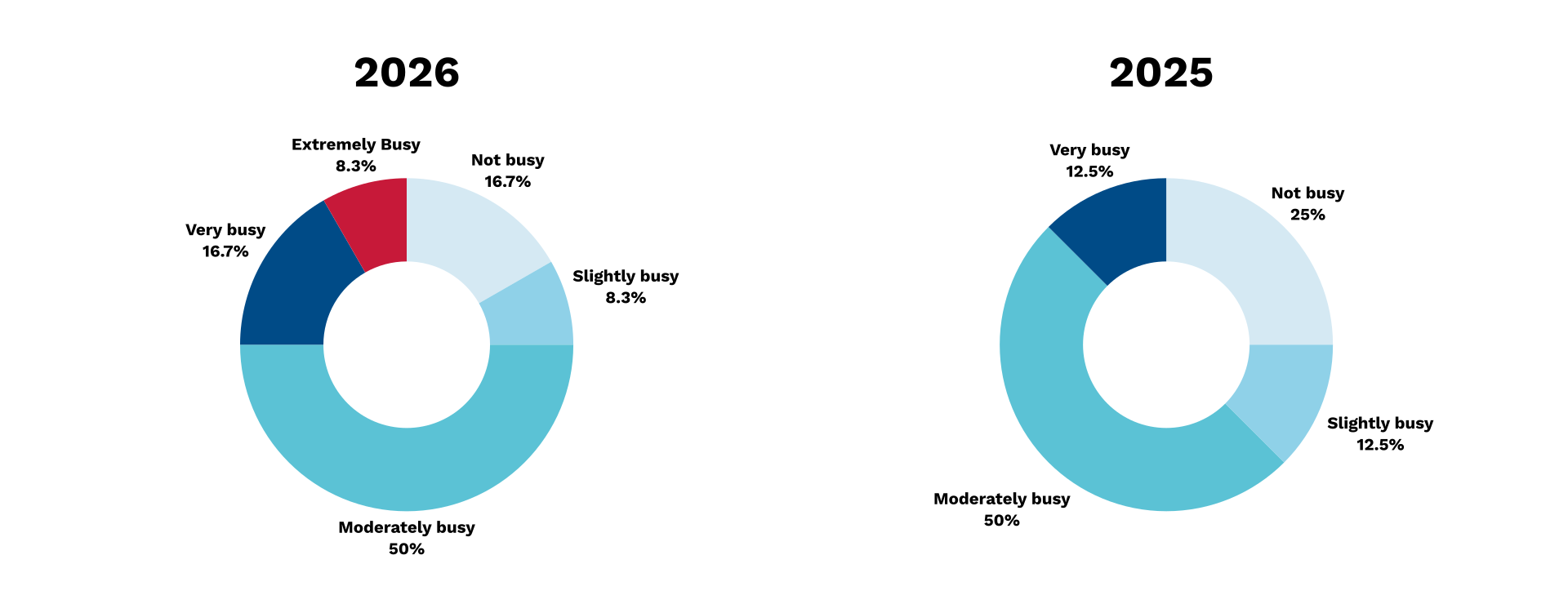
- Not busy: Plenty of capacity for additional work – 16.7% (2025: 25%)
- Slightly busy: Rarely overwhelmed – 8.3% (2025: 12.5%)
- Moderately busy: Comfortable with occasional peaks – 50% (2025: 50%)
- Very busy: Manageable but challenging – 16.7% (2025: 12.5%)
- Extremely busy: Struggling to manage the workload – 8.3% (new category in 2026)
Half of respondents experience a moderate workload with some busy periods, consistent with 2025, while a slightly larger share now report being very or extremely busy, and fewer report not being busy. By understanding these workload trends, both customers and professionals can better anticipate scheduling availability and industry demand.
How Customers Respond to Pricing
Customer reactions to electrical quotes vary widely based on their familiarity with market rates, perceived value, and personal circumstances. According to our survey data (with 2025 figures for comparison):
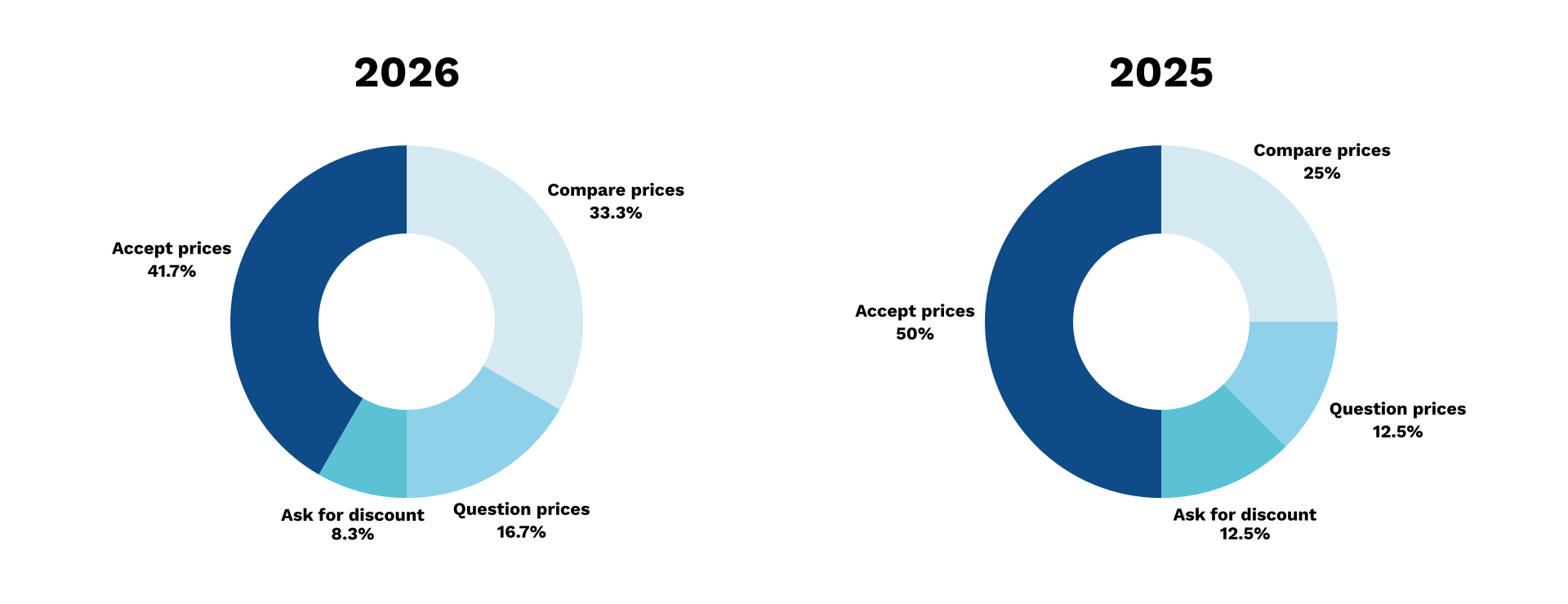
- 41.7% of customers accept given prices without question (2025: 50%).
- 33.3% of customers compare quotes before booking (2025: 25%).
- 16.7% of customers question pricing (2025: 12.5%).
- 8.3% of customers ask for discounts (2025: 12.5%).
Compared with 2025, fewer customers are accepting quotes without question, and more are comparing or questioning pricing, showing a sign of increasingly cost-conscious clients. Electricians who offer transparent cost breakdowns often foster trust among price-conscious clients, while demonstrating high-quality workmanship appeals strongly to those who value expertise over savings.
Will Electrical Job Prices Increase in 2025?
The electrical industry anticipates potential shifts in pricing for 2026, influenced by broader economic factors. Insights from electricians trained with us reveal (with 2025 figures for comparison):
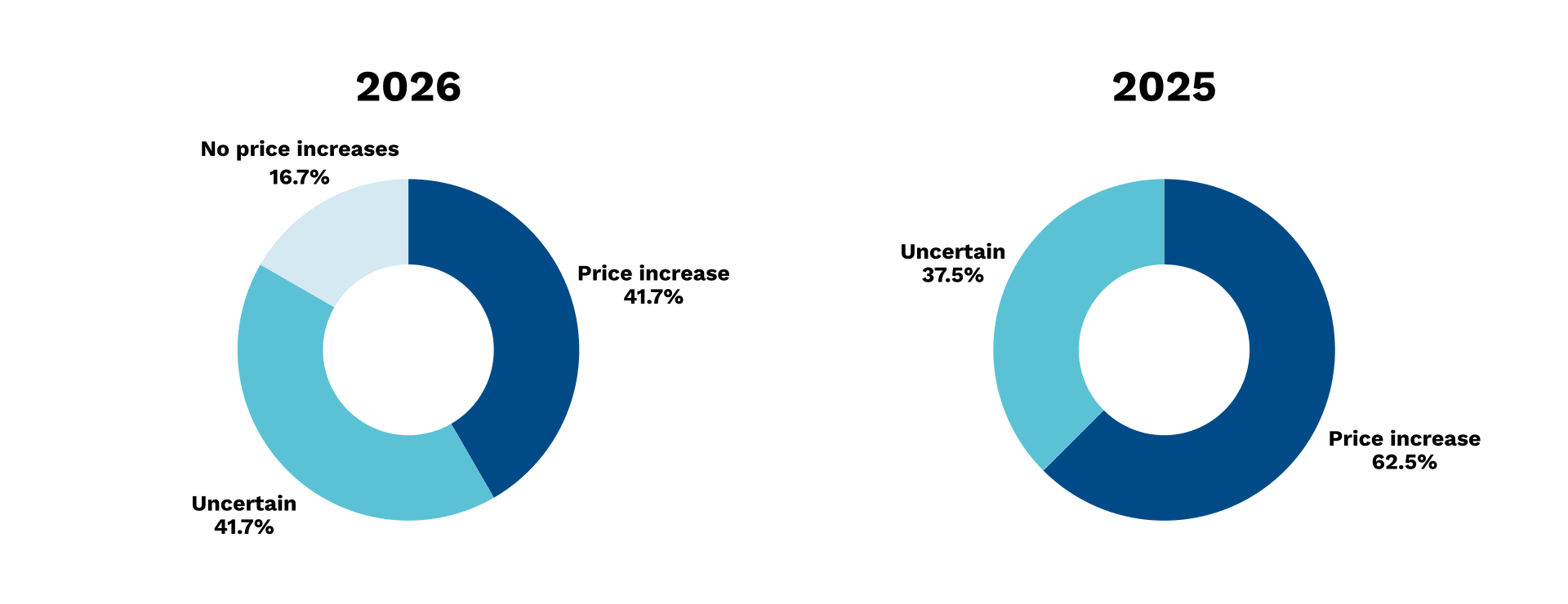
- 41.7% predict rising prices, primarily due to increasing material costs and labour (2025: 62.5%).
- 41.7% remain uncertain about whether the pricing of jobs will increase through 2026 (2025: 37.5%).
- 16.7% do not expect prices to rise, with some noting that customers are reluctant to spend on non-essential work (a new response category in 2026).
Notably, fewer electricians firmly predict price rises this year than in 2025, with more sitting on the fence or expecting prices to hold. Survey participants who do anticipate a rise in electrical prices in 2026 have highlighted key factors contributing to this expectation:
Materials
A significant factor contributing to potential price increases is the rise in material costs. 92% of respondents have noticed an increase in material costs over the past year (up from 87% in 2025), with prices increasing on average between 10% and 40% (a wider and higher range than the 5%-30% reported in 2025) and many citing rises of around 30%. Several participants also pointed to wider business overheads, including rising parking and emissions charges for diesel vans in London.
Labour
Labour costs significantly drive up service prices due to rising staff wages and expanded overheads, such as office maintenance and energy bills. The additional administrative burden from certifications like MCS, coupled with necessary expenses like vehicle replacement, makes it unsustainable for businesses to absorb these costs without adjusting rates. Some smaller businesses also flagged pressure from large energy providers using in-house installers that price work aggressively, squeezing independent electricians.
Collectively, these factors contribute to the anticipated increase in electrical service prices as businesses strive to remain viable amidst escalating costs.
Conclusion
Electrical services, from minor socket replacements to large-scale rewiring, are fundamental to keeping homes and businesses safe and functional in 2026. Costs depend on a variety of factors, such as complexity, materials, and location. Staying informed on evolving pricing structures allows property owners, landlords, and professionals to plan effectively, maintain compliance with safety standards, and make savvy financial decisions.
If you’re considering a career in the electrical trade or looking to enhance your skill set, take a look at our electrical courses. By remaining up to date on certifications, emerging technologies, and market trends, you can deliver top-quality service and confidently navigate the shifting landscape of electrical work in 2026. For more industry data and guidance, browse our latest insights.
Remember: Always consult qualified professionals for accurate quotes and safety checks. The figures provided here serve as a general guide and can vary. Stay informed and proactive, and you’ll be well-prepared to handle electrical projects throughout the year.
Electrician career progression
FAQs
How much does an electrician charge per hour in the UK?
Electricians in the UK typically charge between £12 and £75 per hour, with an average hourly rate of around £38 in 2026, according to Logic4training’s survey of experienced electricians. Rates sit at the higher end for specialised work or in high-demand areas such as London. This is slightly lower than the 2025 average of £44 per hour.
What is the average electrician day rate in the UK in 2026?
The average electrician day rate in the UK is around £312 per day in 2026, with most rates falling between £96 and £600 depending on experience, location, and job complexity. This compares with an average of £335 per day in 2025.
How much does an electrician charge for an emergency call-out?
Emergency electrician call-out fees generally start from around £24, with most flat call-out charges between £65 and £120. Some electricians instead apply an emergency hourly rate of about £25 per hour, and not all electricians offer emergency call-outs.
How much does it cost to replace a consumer unit (fuse box) in 2026?
Replacing a consumer unit (fuse box) typically costs between £780 and £1,000 in 2026, with an average of around £890. This has risen by roughly 42% from a 2025 average of £625, largely due to higher material costs.
How much does it cost to install an EV charging point?
Installing a home EV charging point typically costs between £950 and £1,400, averaging around £1,175 in 2026. The final price depends on the charger manufacturer, the complexity of the installation, and any additional electrical work required.
How much does an EICR cost?
An EICR (Electrical Installation Condition Report), often required by landlords for safety compliance, typically starts from around £250 for a domestic property. The exact cost depends on the size of the property and the number of circuits being inspected.
How much does it cost to rewire a house?
A partial or full house rewire ranges from around £1,500 to £10,000, with the final cost dependent on the size of the property, the scope of work, and the materials used. Larger or older properties sit at the higher end of this range.
How much do electricians earn in the UK?
The median full-time electrician salary in the UK is £39,039 per year, according to the latest ONS Annual Survey of Hours and Earnings (2025), up from £38,760 in the previous release. Self-employed electricians’ earnings vary with day rates, workload, and business overheads.
How much do apprentice electricians get paid in 2026?
From 1 April 2026, the apprentice minimum wage is £8.00 per hour, up from £7.55 in 2025. This rate applies to apprentices under 19, or aged 19 and over in their first year; those aged 19 or over who have completed their first year move to the standard minimum wage for their age (£10.85 for 18-20 year olds, £12.71 for those aged 21 and over).
Will electrician prices increase in 2026?
Around 42% of electricians expect prices to rise in 2026, while a similar share are uncertain and about 17% do not expect increases. The main drivers cited are rising material costs, noticed by 92% of those surveyed, typically increasing 10-40%, alongside higher labour and business overheads.
Do electricians charge more in London?
Yes. Electricians in London and other high-demand urban areas generally charge more than those in rural settings, reflecting a higher cost of living, stronger demand, and added overheads such as parking and emissions charges for vans.



 Your latest offers & alerts