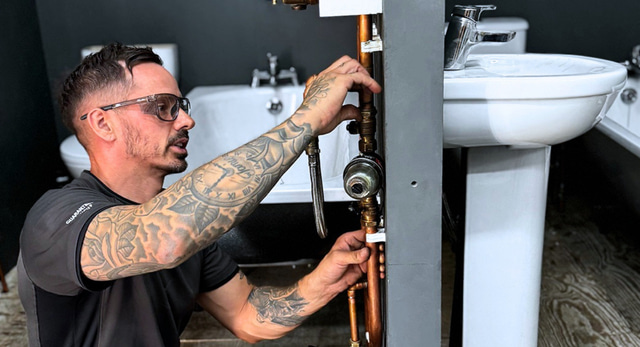

Plumbing, heating and gas are closely linked trades, but they lead to different day-to-day work and responsibilities. Plumbing is a strong starting point for many people; heating adds system design and diagnostics; gas work adds a tightly regulated specialist skill. The best route depends on what you enjoy, the work you want to do and how far you want to develop your building-services career.
TL;DR
- Choose plumbing for a broad, practical foundation in water, pipework, drainage, bathrooms and repairs.
- Choose heating if you enjoy systems, controls, efficiency and fault-finding on central heating and low-carbon technology.
- Choose gas if you want to work on boilers and gas appliances and are prepared for the legal and safety responsibilities.
- Many engineers begin with plumbing, then add heating, renewables or gas skills as their work and confidence grow.
- Gas work requires the appropriate competence and registration with the Gas Safe Register. Training alone does not give someone the legal right to carry out gas work.
If you are still exploring your options, our new entrants pages are a useful place to start.
Understanding the difference between plumbing, heating and gas
These trades overlap because a home’s water, hot water and heating systems are connected. A combi boiler, for example, heats water and supplies central heating, so a job may involve pipework, controls and gas safety. Yet each discipline has its own core systems, training needs and limits of work.
What does a plumber do?
Plumbers install, repair and maintain water and drainage systems. Their work can include cold and hot-water pipework, taps, toilets, showers, sinks, waste pipes, bathrooms, kitchens and leak repairs. They need to understand how water moves through a building, how to install pipework neatly and safely, and how to diagnose a fault without causing unnecessary disruption.
This gives plumbing a wide range of work. One day may involve replacing a leaking valve; the next may be a bathroom installation or first-fix pipework on a new build. For people who enjoy practical variety and visible results, it can be an excellent career in its own right.
What does a heating engineer do?
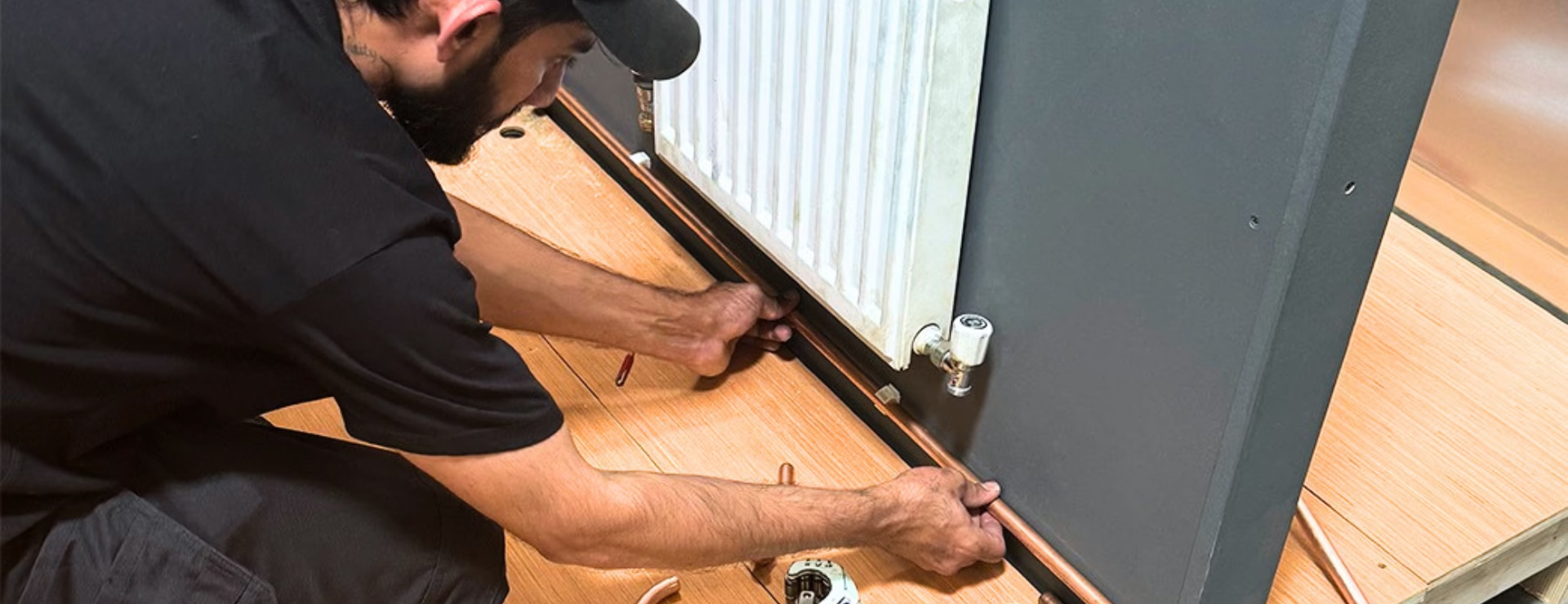
A heating engineer focuses on the systems that keep a property warm and deliver hot water. This can include radiators, cylinders, pumps, valves, heating controls, underfloor heating and heat emitters. The job is not simply fitting components. Good heating work requires an understanding of system design, heat loss, flow and return temperatures, balancing, water quality and energy efficiency.
Heating is also increasingly linked to low-carbon systems. Engineers may progress into air-source or ground-source heat pumps, solar thermal and smarter controls. This route suits people who like technical problem-solving and want to work on how homes use energy.
What does a gas engineer do?
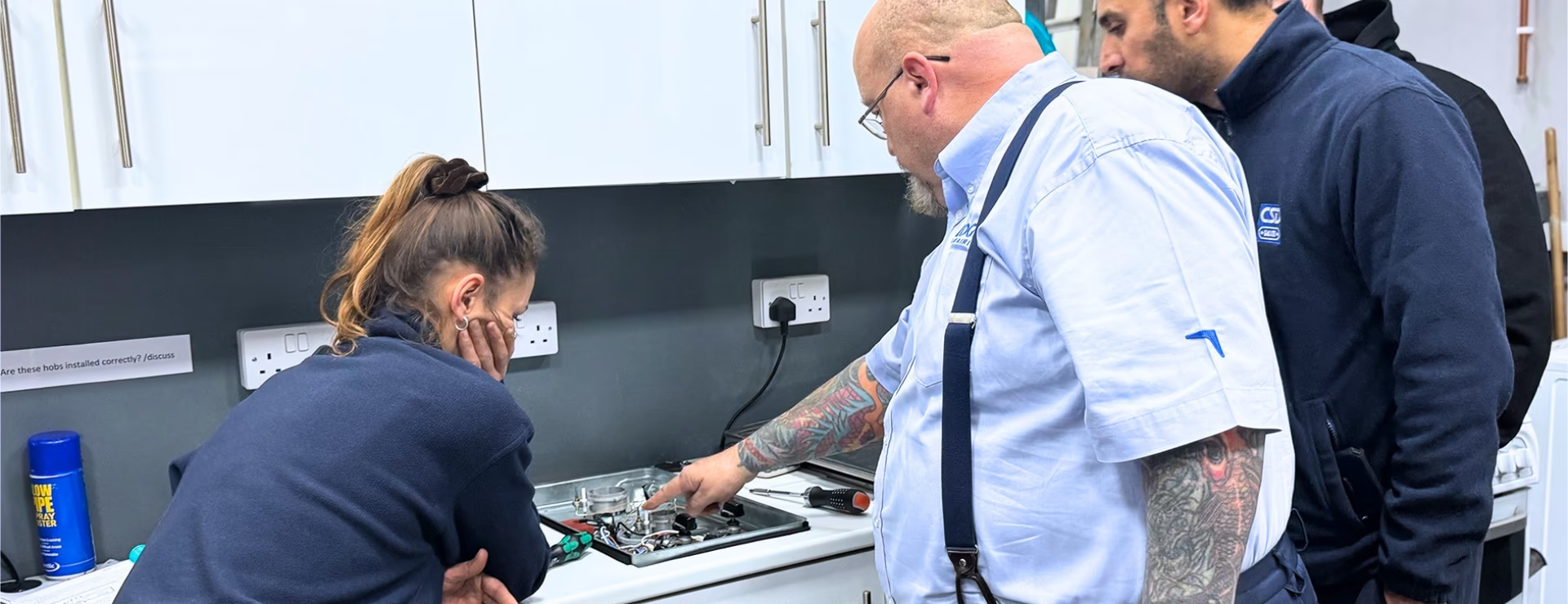
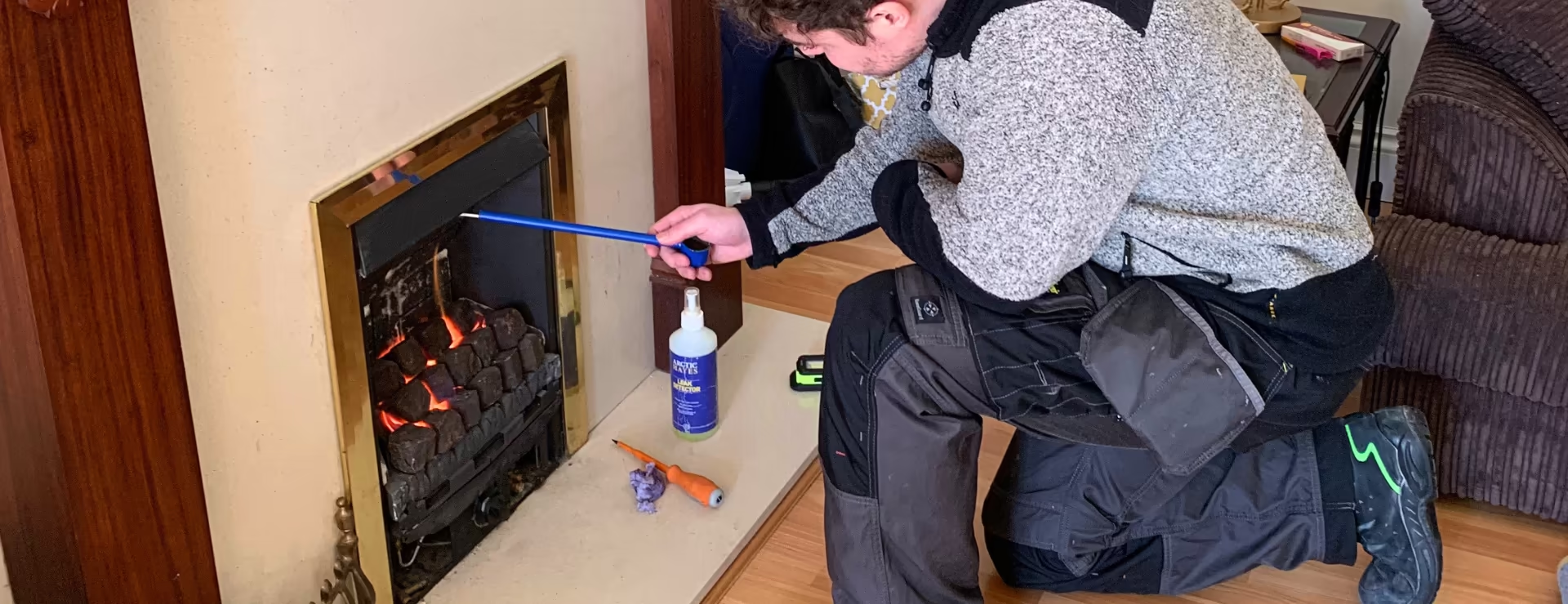
Gas engineers install, service, repair and diagnose faults on gas appliances and associated pipework. In domestic work, that commonly means boilers, cookers, fires and gas meters. The work is highly safety-critical. It involves testing, combustion checks, ventilation requirements, tightness testing and deciding whether an appliance is safe to use.
Only businesses and engineers with the right competence and Gas Safe registration can legally undertake gas work within their registered scope. That makes gas engineering a specialist route, not an add-on someone should attempt after basic plumbing training alone.
Why many engineers start with plumbing
Plumbing is often the natural foundation because it teaches the physical and diagnostic skills used across building services. It is also flexible. You can build a solid plumbing career, specialise in bathrooms or maintenance, or use the knowledge as a platform for heating and renewables.
Plumbing builds essential core skills
Plumbing training develops accurate measuring, pipe installation, jointing, safe working and practical fault-finding. It also helps you understand hot and cold-water systems, water regulations and how work in one part of a system affects another. Those skills matter when you later work with cylinders, radiators, controls or heat pumps.
Plumbing opens multiple career pathways
Once you have practical experience, you can move into domestic heating, low-carbon technologies, commercial systems, facilities maintenance or gas work, subject to the qualifications and registration required. Explore our plumbing courses to see the routes available for new entrants and existing tradespeople.
Plumbing, heating and gas side by side
Which career matches your interests?
Choose plumbing if you want variety, hands-on installation work and a broad mix of repairs. It is a good fit if bathrooms, kitchens, water systems and the satisfaction of solving a practical problem appeal to you.
Choose heating engineering if you enjoy technical systems and fault diagnosis. You may spend more time assessing why a system is not performing well, improving controls or helping households use less energy. It is a natural home for people interested in heat pumps and energy-efficient homes.
Choose gas engineering if precision, regulation and safety responsibility motivate you. Boiler servicing and repairs can provide repeat maintenance work, but the standards are exacting. You must keep your competence current and only work within the appliance categories and scope for which you are registered.
Career progression opportunities
From plumbing to heating
Plumbing experience transfers well into heating because both involve pipework and water. The next step can include domestic heating systems, cylinders, heating controls, underfloor heating and system commissioning. This creates a broader offer for customers and makes your skills more useful across refurbishment and new-build work.
From heating to renewables
Heating knowledge is particularly valuable in renewable heating. Heat pumps work differently from boilers, but successful installations still depend on sound hydraulic design, heat emitters, controls and hot-water provision. Government-backed training initiatives and the Level 3 Low Carbon Heating Technician apprenticeship reflect the industry’s need for these skills. See our renewables courses if low-carbon heating is part of your plan.
From plumbing to gas engineering
Plumbing can be a useful base, but it is not a substitute for gas training. To work on gas appliances, you need the appropriate gas qualifications and assessments, practical evidence of competence where required, and registration through a Gas Safe-registered business for the work you undertake. Our gas courses can help you understand the training routes for new entrants and qualified engineers.
Qualifications and legal requirements
The exact qualification route depends on whether you are new to the trade, changing career, taking an apprenticeship or adding a specialist skill. Employers and clients also value practical experience. The important point is to choose training that matches the work you want to carry out, rather than collecting qualifications with no clear progression plan.
For plumbing, look for industry-recognised practical training that covers core installation, maintenance and water systems. For heating, build competence in heating design, controls, cylinders and the systems you intend to work on. A new-entrant commercial heating course may be relevant if your ambitions extend beyond domestic work.
For gas, ACS assessments form part of the competence route for the relevant appliance categories, but registration is the legal requirement for a business carrying out gas work. Always check the current requirements directly with the Gas Safe Register and work only within your approved scope.
Future demand across the industry
Every home needs water services, maintenance and repairs, so plumbing remains a durable trade. Heating work will continue as systems age, households improve comfort and efficiency, and new properties are built. Gas remains important for the existing stock of gas appliances, which still need safe installation, servicing, repair and replacement.
At the same time, low-carbon heating is creating a clear upskilling opportunity. Heat-pump installation is not simply a replacement-boiler job: it rewards engineers who understand the whole heating system. For long-term flexibility, a plumbing foundation followed by heating and renewable training is a strong route. It also keeps the door open to gas qualifications if that fits the services you want to provide.
Which route should you choose?
There is no single ‘best’ trade. There is a best starting point for your interests. Plumbing gives breadth. Heating brings deeper system knowledge and a route into renewables. Gas offers a specialist, regulated service. A planned combination can give you the widest long-term career options.
Conclusion: Choose a Route That Can Grow With You
Plumbing, heating and gas are not competing career paths. They are connected skills that can build into a broad and rewarding career in building services. Plumbing gives you a practical base in water systems and pipework. Heating adds technical knowledge of comfort, efficiency and system performance. Gas engineering offers specialist work on boilers and appliances, with important legal and safety responsibilities.
For many new entrants, starting with plumbing is a sensible route. It builds confidence, practical ability and an understanding of how domestic systems work. From there, you can progress into heating, renewable technologies or gas qualifications as your interests and experience develop.
The right choice comes down to the work you enjoy most. If you want variety and hands-on installation work, plumbing may suit you. If you are interested in diagnostics, energy efficiency and heat pumps, heating could be the stronger fit. If you value precision, safety and appliance servicing, gas engineering may be your route. Whatever you choose, continued training is what turns a starting qualification into a long-term career.
FAQs
Should I choose plumbing or gas engineering?
Choose plumbing if you want a broad foundation and varied work on water and drainage systems. Choose gas if boiler work, appliance servicing and strict safety standards appeal to you. Starting in plumbing and progressing later is a sensible option, but gas requires separate competence and registration.
Can plumbers work on gas appliances?
Not automatically. A plumber can only undertake gas work if they have the appropriate gas competence and are working through a Gas Safe-registered business within the correct scope of registration.
Is plumbing a good foundation for heating engineering?
Yes. Plumbing develops pipework, hot-water and fault-finding skills that transfer well to heating. You will still need dedicated heating training for system design, controls and the equipment you plan to work on.
Can plumbing training lead to renewable heating?
Yes. A plumbing background can lead naturally into heating, then heat-pump and other low-carbon training. The strongest route combines practical experience with specialist training in the technology and system design.
What qualifications are needed for gas work?
You need a recognised route to competence for the gas categories you intend to work on, including relevant assessments such as ACS where applicable. The business undertaking gas work must also be on the Gas Safe Register, and engineers must work only within their registered scope.



 Your latest offers & alerts