
Last updated: 15th June 2026 | Originally published: 26th February 2025
Our latest data, gathered from our trained gas engineers, provides a detailed breakdown of the most common gas services, average pricing, and the key factors influencing costs with year-on-year comparisons to our 2025 findings throughout.
Gas Engineer Rates
Understanding the cost structure of gas services is key to planning budgets and avoiding unexpected expenses. Gas engineer rates vary widely based on experience, the scope of the job, and whether the service is scheduled or an emergency call-out.
Hourly Rates
Gas engineers’ hourly rates typically range between £45 and £120 per hour, with an average of £79.58. In 2025, the range was the same broad £40 to £120, but the average was £60.36, so typical hourly rates have risen by around £19 (roughly 32%), driven by higher material and running costs. Commercial gas work generally commands the higher end of the range.
Day Rates
Gas engineers’ day rates vary from around £225 to £750 per day, with an average of £433.85. Commercial gas engineers generally charge more. In 2025, the average day rate was £385.85 (range £200 to £750), so day rates have climbed by around £48 (roughly 12%).
Emergency Call-Outs
Emergency call-out fees typically range from £60 to £200, with an average of £123.13 (up slightly from £117.55 in 2025). Some engineers apply a time-and-a-half rate on Saturdays and a double rate on Sundays, charge an emergency hourly rate of around £180 per hour, or do not offer emergency call-outs at all , so availability varies.
These rates reflect a combination of standard repairs, maintenance tasks, and large-scale installations. Many gas professionals offer structured pricing depending on the nature of the work, with some also offering discounts for repeat customers or long-term service contracts.
Most Common Gas Jobs and Their Costs
Based on a survey of experienced gas engineers, here are the most frequently requested jobs and their typical costs. The 2025 average is shown alongside the 2026 figure for comparison:
Beyond the table, gas engineers in our 2026 survey shared several specific prices worth noting that a landlord gas safety certificate is often bundled with a service for around £130, boiler installations are typically priced from a minimum of £1,200 plus materials (with full installs quoted up to around £4,500), and a power flush runs at about £575 plus VAT.
This breakdown answers common queries such as how much a boiler service costs and the cost of a gas safety certificate, and supports discussions around gas engineers’ hourly rates for professionals setting competitive fees.
Key Factors Influencing Gas Job Costs
Several key elements affect gas service pricing, making it essential for customers to understand what contributes to cost variations:
- Scope of Work
- Repairs, such as fixing a gas cooker, are significantly cheaper than large-scale installations like replacing a full heating system.
- Materials & Market Conditions
- Effectively, all respondents (100%) noticed a rise in material costs over the past year, up from 93% in 2025, with cited increases mostly in the 10%-30% range as inflation and supplier pricing feed through to job costs.
- Location
- Engineers in major cities like London generally charge higher fees than those in rural areas, reflecting the increased cost of living and demand for services.
- Experience
- Highly experienced gas engineers tend to charge higher rates due to their efficiency, certifications, and specialist skills in areas like commercial gas systems.
- Repeat vs. New Clients
- On average, around 76% of a gas engineer’s work is now repeat business, up from 66% in 2025, with loyal clients sometimes benefiting from slightly discounted rates or priority booking.
By understanding these factors, customers can better plan their gas service needs, while gas engineers can fine-tune their pricing to remain competitive within the industry.
Gas Engineers’ Current Workload
Based on our latest survey, the workload among UK gas engineers varies, and the 2026 picture shows engineers busier than in 2025:
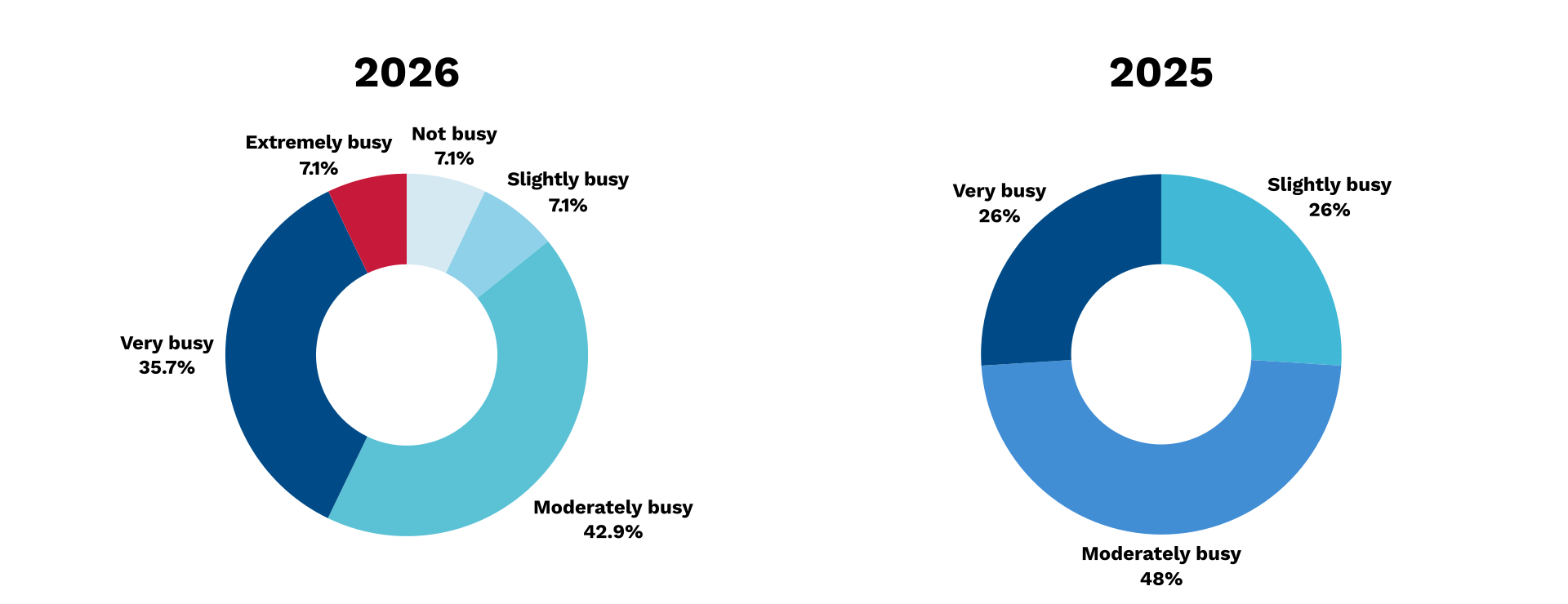
- Not busy: Plenty of capacity for additional work – 7.1% (not separately reported in 2025)
- Slightly busy: Rarely overwhelmed – 7.1% (2025: 26%)
- Moderately busy: Comfortable with occasional peaks – 42.9% (2025: 48%)
- Very busy: Manageable but challenging – 35.7% (2025: 26%)
- Extremely busy: Struggling to manage the workload – 7.1% (not separately reported in 2025)
Most gas engineers report being moderately to very busy, and the share describing themselves as very or extremely busy has grown since 2025, while far fewer are only slightly busy, a sign of strengthening demand. Understanding workload trends helps both customers and professionals gauge industry demand and service availability.
From this data, it’s clear there is room for gas engineers to streamline their workloads to improve their working days. With that in mind, gas engineers can make the most of our partnership with Gas Engineer Software and handle all the admin in one place. From scheduling work to creating certificates and issuing invoices. It does it all.
How Customers Respond to Pricing
Customer reactions to pricing vary based on individual expectations, perceived value, and market awareness. Our data shows (with 2025 figures for comparison):
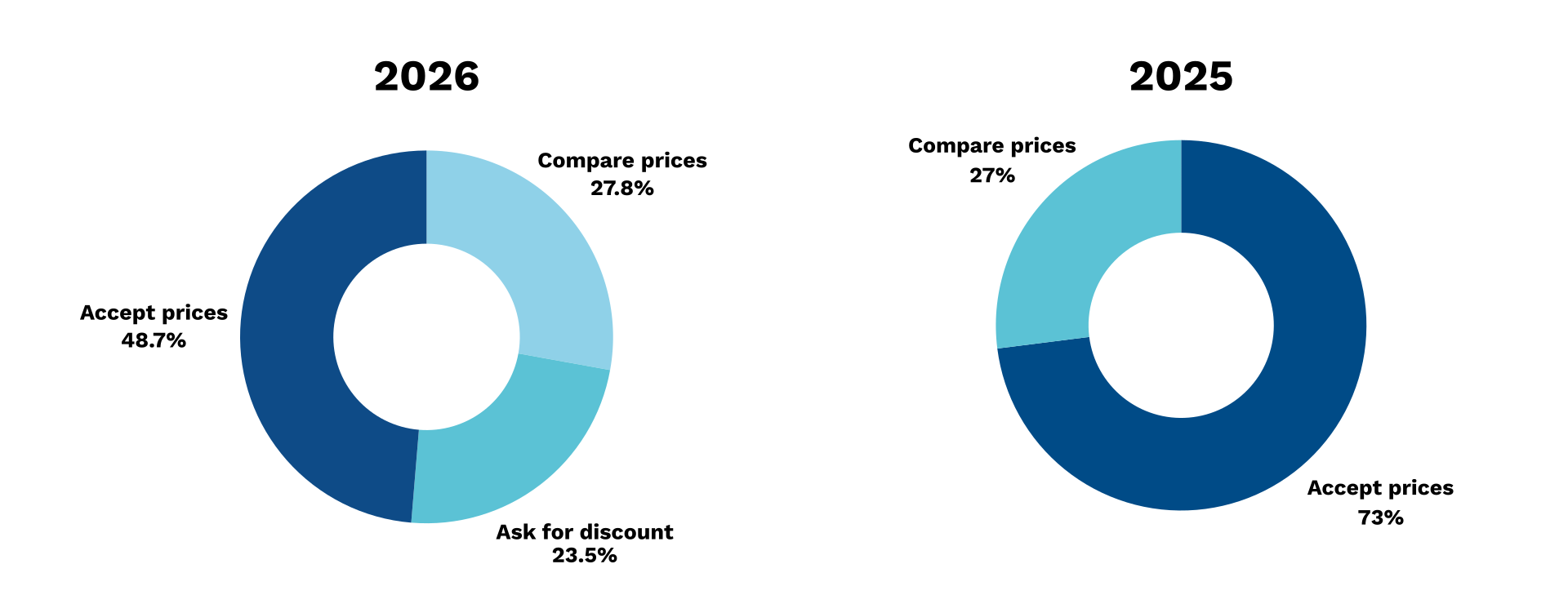
- 50% of customers accept prices without question (2025: 73%).
- 28.6% of customers compare prices with competitors before booking (2025: 27%).
- 21.4% of customers ask for discounts (a category not separately reported in 2025).
The headline shift from 2025 is that fewer customers now accept prices outright, and a notable share actively ask for discounts. This is a clear sign of growing price sensitivity. As a gas engineer, understanding these responses helps you tailor your communication and pricing strategy. Providing transparent pricing breakdowns can build trust with price-sensitive customers, while highlighting service quality and reliability appeals to those less focused on cost.
Will Gas Job Prices Increase in 2026?
The gas industry anticipates further price adjustments in 2026, influenced by various economic factors. Insights from gas engineers who have trained with us reveal a stronger expectation of rises than last year (with 2025 figures for comparison):
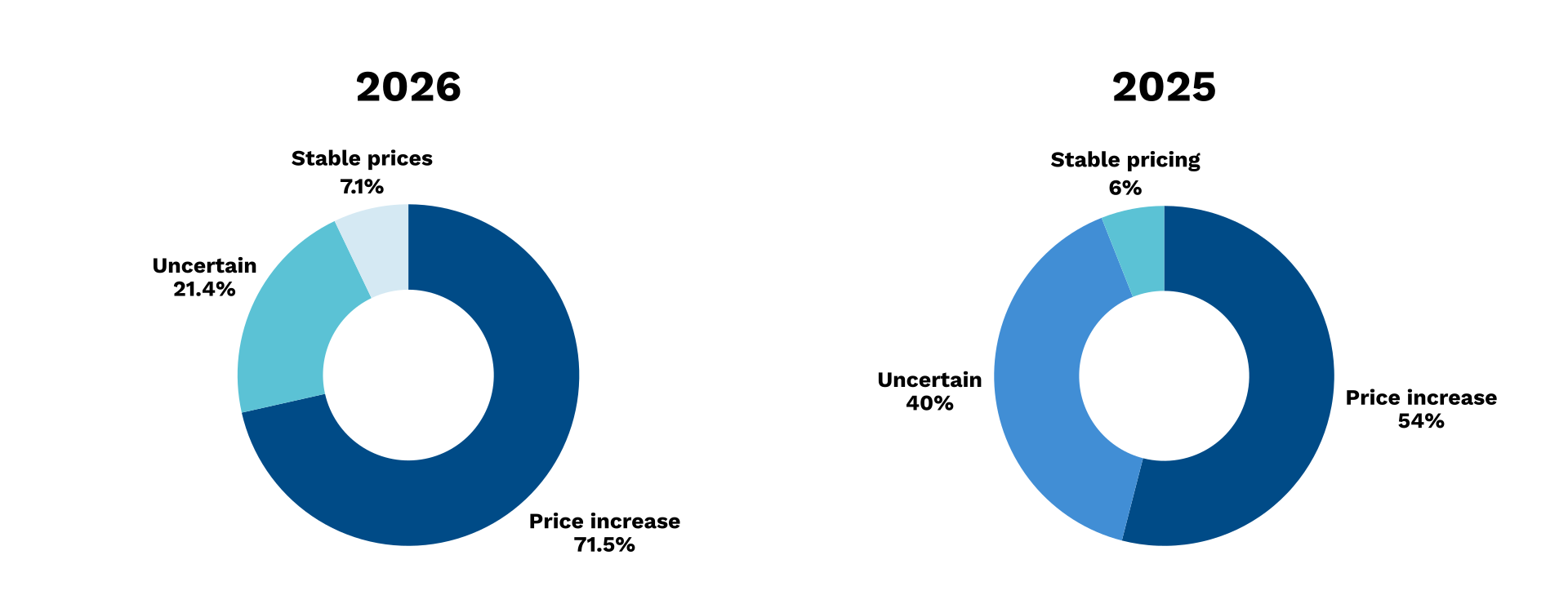
- 71.4% predict prices will rise (2025: 54%), citing increasing fuel costs, National Insurance contributions, labour expenses, and above all the rise in material costs as the main drivers.
- 21.4% are uncertain about price increases (2025: 40%), acknowledging the unpredictable nature of economic conditions.
- 7.1% predict stable pricing (2025: 6%), expecting competitive pressures and cost control to keep prices in check.
These findings show a clear move towards expecting rising costs compared with 2025, with nearly three-quarters of gas engineers now anticipating increases. The volatility of material prices remains the dominant theme, with effectively every respondent reporting higher material costs over the past year.
Conclusion
Gas-related jobs, ranging from boiler installations to emergency call-outs, remain essential in 2026, and their costs vary based on factors such as complexity, equipment quality, and location. Staying informed on the latest pricing trends and legal requirements helps homeowners, landlords, and professionals make safe and budget-conscious decisions.
If you’re considering a career in gas engineering or looking to upskill, check out our gas courses. From learning how to become a gas engineer and gaining your Core Domestic Gas Safety (CCN1) qualification, through to commercial gas and air source heat pump training for the shift to low-carbon heating.
You might also find our survey guides on plumber rates and electrician day rates useful, and you can browse more data and guidance in our latest insights.
Remember: Always consult qualified professionals for exact quotes. The figures provided here serve as a general guideline and can vary. Stay safe, stay informed, and you’ll be well on your way to managing all your gas-related needs in 2026.
FAQs
How much does a gas engineer charge per hour in the UK?
Gas engineers in the UK typically charge between £45 and £120 per hour, with an average hourly rate of around £80 in 2026, according to Logic4training’s survey of experienced engineers. Commercial gas work and high-demand areas such as London sit at the higher end. This is up from an average of £60.36 per hour in 2025.
What is the average gas engineer day rate in the UK in 2026?
The average gas engineer day rate in the UK is around £434 per day in 2026, with most rates falling between £225 and £750 depending on experience, location, and whether the work is domestic or commercial. This compares with an average of £385.85 per day in 2025.
How much does a gas engineer charge for an emergency call-out?
Emergency gas call-out fees typically range from £60 to £200, averaging around £123. Some engineers apply a time-and-a-half rate on Saturdays and a double rate on Sundays, others charge an emergency hourly rate of around £180 per hour, and some do not offer emergency call-outs at all.
How much does a boiler service cost?
A boiler service typically costs between £85 and £140, averaging around £100 in 2026, up from an average of £62.50 in 2025. A landlord’s gas safety certificate is often bundled with a service for around £130.
How much does a gas safety certificate (CP12) cost?
A landlord gas safety certificate (CP12) is commonly bundled with a boiler service for around £130, based on 2026 survey responses, though a standalone certificate is often cheaper. The exact price depends on the number of appliances being checked.
How much does it cost to replace a boiler?
A boiler replacement typically costs between £1,500 and £3,500, with full installations quoted up to around £4,500. Gas engineers in our 2026 survey priced installation labour from a minimum of £1,200 plus materials, allowing at least two days for the work.
How much does a full heating system installation cost?
A full heating system installation typically costs between £3,500 and £6,000, averaging around £4,750. The final price depends on the size of the property, the number of radiators, and the type of boiler and controls specified.
How much does a power flush cost?
A power flush typically costs around £575 plus VAT, based on 2026 survey responses. The price can vary with the number of radiators and the condition of the heating system.
How much does a boiler breakdown repair cost?
Boiler breakdown repairs typically cost between £80 and £250, averaging around £165, depending on the fault and any replacement parts required. Diagnosis is often charged as part of the call-out fee.
How much does it cost to replace a radiator?
Replacing a radiator typically costs between £85 and £350, averaging around £217.50, depending on the size and type of radiator and the complexity of the pipework.
Will gas prices increase in 2026?
Around 71% of gas engineers expect prices to rise in 2026, up from 54% in 2025, while about 21% are uncertain and only 7% expect stable pricing. The main drivers are rising material costs (reported by effectively all of those surveyed, typically up 10-30%) alongside higher fuel, labour, and National Insurance costs.
Do gas engineers charge more in London?
Yes. Gas engineers in London and other major cities generally charge more than those in rural areas, reflecting a higher cost of living, stronger demand, and added overheads. Several survey respondents noted higher day rates specifically for London work.



 Your latest offers & alerts