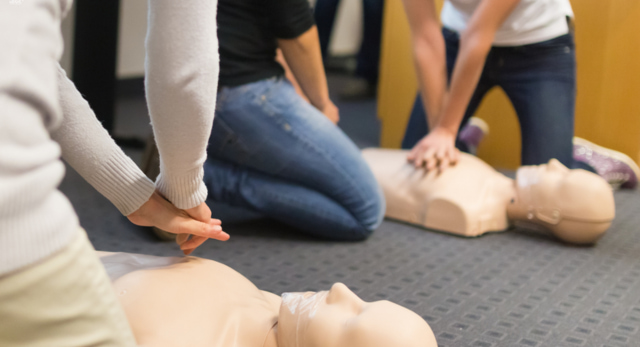

If you’ve ever wondered what to do if someone collapses in front of you, or you want to be the person who stays cool in a crisis, you need to know about DR ABC. It’s the essential first aid acronym that could save a life. At Logic4training, we know the value of practical, no-nonsense training, so let’s break down DR ABC, why it matters, and how you can master it.
What Is DR ABC?
DR ABC stands for:
- Danger
- Response
- Airway
- Breathing
- Circulation
It’s the structured framework first aiders use to assess and respond to casualties in an emergency. Think of it as your step-by-step guide to keeping your head while everyone else is losing theirs. Whether you’re on a building site, in the office, or just out and about, DR ABC is the foundation of first aid and basic life support.
Why Is DR ABC So Important?
Emergencies are chaotic. The DR ABC approach brings order to the chaos, ensuring you:
- Protect yourself and others from further harm.
- Quickly identify life-threatening issues.
- Deliver the right care, in the right order, until the professionals arrive.
Skipping steps or doing things out of order can make things worse. DR ABC keeps you focused and effective, even when adrenaline is pumping.
The DR ABC Steps Explained
Let’s get into the nitty-gritty of each step.
1. Danger
Before you play hero, check for hazards. Is the area safe for you, the casualty, and bystanders? Hazards might include:
- Live electricity
- Fire or smoke
- Traffic
- Chemicals
- Broken glass or debris
If it isn’t safe, don’t rush in. Your safety comes first. If you become a casualty, you can’t help anyone.
2. Response
Once the coast is clear, check if the casualty is responsive:
- Speak loudly: “Are you okay?”
- Gently shake their shoulders (unless you suspect a spinal injury).
- Look for movement, speech, or eye-opening.
If they respond, great. They’re conscious. If not, shout for help and move to the next step.
The AVPU Scale
Some pros use AVPU to assess response:
- Alert
- Responds to Voice
- Responds to Pain
- Unresponsive
If you get to “U”, it’s time to act fast.
3. Airway
If the casualty is unresponsive, their airway might be blocked. Open it by:
- Placing one hand on their forehead and gently tilting their head back.
- Lifting their chin with two fingers.
Check for obstructions. If you see something obvious, carefully remove it, don’t go fishing blindly.
4. Breathing
With the airway open, check if they’re breathing:
- Look for chest movement.
- Listen for breath sounds.
- Feel for the breath on your cheek.
Do this for up to 10 seconds. If they’re breathing normally, move on. If not, call 999 and prepare to start CPR.
5. Circulation
Once you’ve ticked off that they’re breathing normally, check for any signs of serious bleeding. Look for obvious wounds or blood pooling; don’t be shy, check head to toe.
If you notice severe bleeding, jump into action. Apply direct pressure with whatever you’ve got. It can be your hand, a clean bit of clothing, anything to stop the flow. Get someone to call 999 or 112 immediately (or do it yourself if you’re alone). Keep that pressure on until the paramedics arrive.
If they’re unresponsive, breathing fine, there’s no major bleeding and it’s safe to do so, roll them gently into the recovery position. Then dial 999 or 112 and stick with them, keeping an eye on their breathing until help arrives.
DR ABC in Action: A Real-World Scenario
Picture this: You’re on-site, and someone collapses. Here’s how DR ABC plays out:
- Danger: You spot a live wire nearby. You cut the power before approaching.
- Response: You shout, “Can you hear me?” and tap their shoulder. No response.
- Airway: You gently tilt their head back and lift their chin.
- Breathing: No breath sounds, no chest movement.
- Circulation: No signs of life. You call 999 and start CPR.
Simple, systematic, and potentially lifesaving.
DR ABC vs. DRSABCD and ABCD: What’s the Difference?
You might hear other acronyms like DRSABCD or ABCD. Here’s how they compare:
| Acronym | Steps Included | Focus |
|---|---|---|
| DR ABC | Danger, Response, Airway, Breathing, Circulation | Primary survey, basic life support |
| DRSABCD | Danger, Response, Send for help, Airway, Breathing, CPR, Defibrillation | Adds calling for help and using a defibrillator |
| ABCD | Airway, Breathing, Circulation, Defibrillation | Focuses on post-danger/response steps |
DR ABC is the core. DRSABCD is a more detailed version, often used in advanced first aid training.
Why DR ABC Training Matters
Knowing the DR ABC steps is one thing—being able to do them under pressure is another. That’s where quality training comes in. At Logic4training, our first aid courses don’t just teach you the theory; we get you hands-on, confident, and ready to act.
Benefits of DR ABC Training:
- Boosts confidence in emergencies.
- Reduces panic and hesitation.
- Ensures you provide the right care, fast.
- Meets workplace health and safety requirements.
Ready for first aid training? Check out our Emergency First Aid at Work Training Course.
Common Mistakes When Using DR ABC
- Rushing in without checking for danger: You can’t help if you’re injured.
- Skipping steps: Each part of DR ABC is there for a reason. Don’t cut corners.
- Not calling for help early: If in doubt, call 999.
- Poor airway management: If the airway isn’t open, nothing else matters.
- Assuming someone is breathing because they’re gasping: Agonal breaths aren’t normal. Start CPR.
How to Remember DR ABC
If you’re worried about forgetting, try these tips:
- Repeat the acronym until it’s second nature.
- Practice with colleagues or friends.
- Use real-life scenarios to test your knowledge.
- Take refresher courses regularly.
In a nutshell, DR ABC is your go-to checklist for handling emergencies with confidence and calm. By following these steps in order, you’ll know exactly what to do when every second counts. Protect yourself, help others, and potentially save lives. Whether you’re at work, at home, or out and about, mastering DR ABC means you’re always ready to step up when it matters most. Stay sharp, stay safe, and remember: a little first aid know-how goes a long way.
FAQs
What does DR ABC stand for in first aid?
DR ABC stands for Danger, Response, Airway, Breathing, and Circulation. It’s the primary survey used to assess and manage casualties in emergencies.
Why is checking for danger the first step?
Checking for danger ensures your safety and prevents more casualties. You can’t help if you become a victim yourself.
What should I do if the casualty isn’t breathing?
Call 999 immediately and start CPR. If an AED is available, use it as soon as possible.
How often should I refresh my DR ABC training?
It’s recommended to refresh your first aid training every three years, but annual refreshers are best to keep skills sharp.
Can I use DR ABC outside of work?
Absolutely. DR ABC is for any emergency situation, whether at home, on the street, or anywhere you might encounter someone in need.




 Your latest offers & alerts