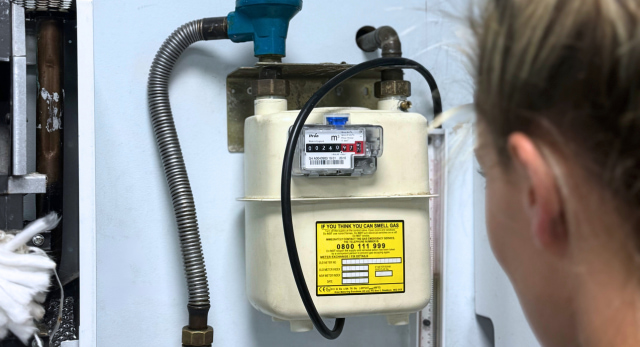

Gas is still cheaper than electricity per kWh in the UK in 2026, with Ofgem’s January to March price cap putting typical gas at around 5.9p per kWh and electricity at about 27.7p per kWh, roughly four to five times higher. But the “cheapest” option for your home is not just about unit rates. This article covers the latest price cap figures, the widening gas–electric “spark gap”, real‑world boiler and heat pump efficiencies, and the UK’s net zero plans to show when gas, direct electric or low‑carbon heating (like air source heat pumps) is likely to work out best for your bills and carbon footprint over the coming years.
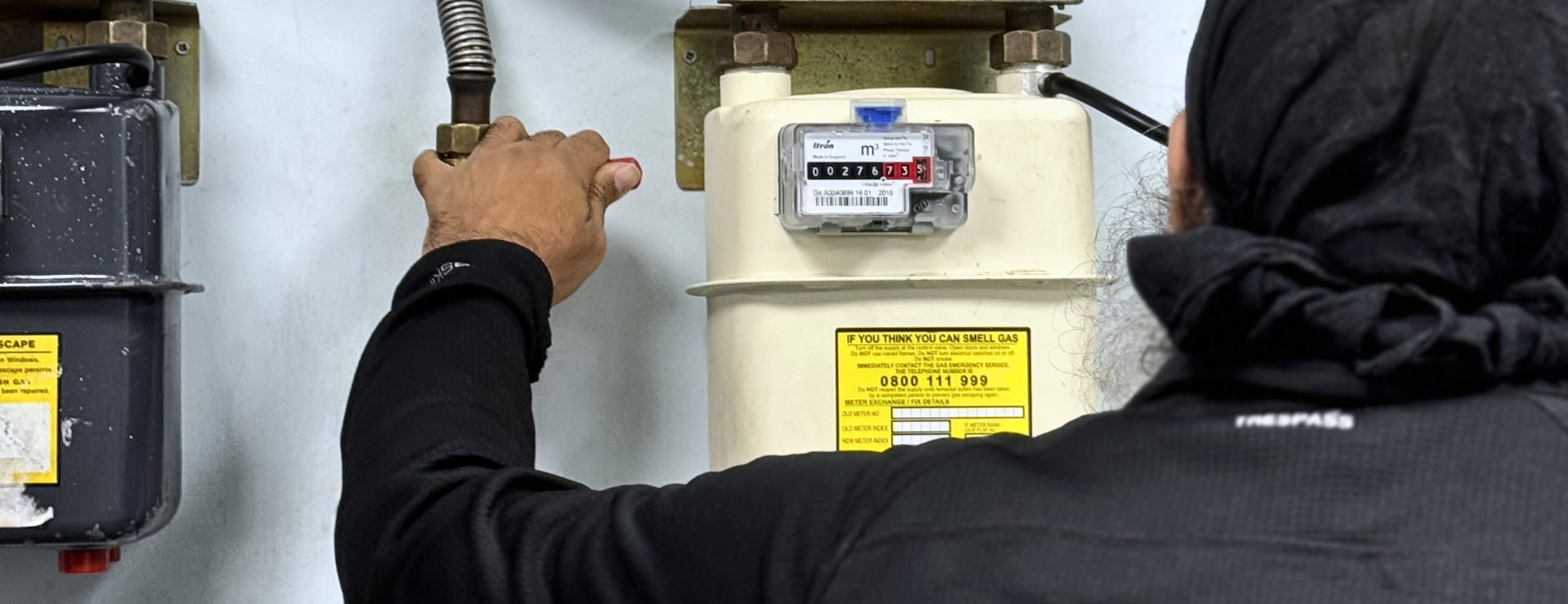
Current UK prices: gas vs electric in 2026
Typical price cap levels
Ofgem’s energy price cap is a set of limits on what suppliers can charge per unit of gas and electricity and for the daily standing charge on a standard variable (default) tariff; it does not cap your total bill, which still depends on how much energy you use. From 1 January to 31 March 2026, the cap for a “typical” dual‑fuel household paying by Direct Debit is set at £1,758 a year, based on Ofgem’s Typical Domestic Consumption Values
(TDCVs). This is only around £3 (0.2%) higher than the previous quarter, but it keeps bills far above pre‑crisis levels, so energy costs remain a major part of most household budgets.
Under this cap, typical unit rates in Great Britain are roughly:
- Electricity: about 27.69p per kWh, with a standing charge of around 54-55p per day.
- Gas: around 5.3-5.9p per kWh, with a standing charge of roughly 35p per day.
Put simply, each unit of electricity costs around four to five times as much as each unit of gas in early 2026, and both fuels now carry higher standing charges than most people were used to. Independent trackers such as Uswitch, MoneySavingExpert and Energy UK show that, although the cap has dropped from its peak, it is expected to move only gradually and remain well above historic norms for the foreseeable future.
Why the “spark gap” matters
The price difference between electricity and gas is often called the “spark gap”, and it has a big impact on the real‑world cost of different heating systems. Nesta and others show that this gap is at its widest since the early stages of the 2022 energy crisis, with households paying roughly four times more per kWh for electricity than for gas. This ratio matters because it makes traditional gas boilers look very cheap to run compared with direct electric heating , while at the same time making it harder for efficient electric technologies like heat pumps to compete purely on running cost.
There are two main reasons the spark gap is so wide. First, a larger share of policy and network costs, including support for renewables, grid upgrades and some social and environmental schemes, is loaded onto electricity bills rather than gas, which pushes electric unit rates up. Second,
wholesale gas prices have eased back from their crisis highs faster than the full bundle of costs that sit behind electricity prices, so gas has fallen more in relative terms even though it is still expensive by historic standards. For anyone comparing gas boilers, direct electric heating and heat pumps, understanding this spark gap is essential, because it sits behind most of the running‑cost examples you see quoted in guides and sales literature.
Running costs: gas boilers, electric heaters and heat pumps
When you move beyond headline unit prices, what really shapes your bill is how well each type of system turns paid‑for energy into usable heat in your rooms. A modern condensing gas boiler might convert around 90% of the gas it burns into heat, a basic electric heater turns almost all the electricity it uses into heat, and a well‑designed heat pump can deliver two to four units of heat for every unit of electricity it consumes over a year, thanks to its high Seasonal Coefficient of Performance (SCOP). This means that even though electricity is far more expensive per kWh than gas, an efficient heat pump can narrow, and in some homes even overturn, the running cost advantage of gas, while a resistance electric heater will usually sit at the most expensive end of the scale.
Gas boiler vs electric resistance heating
- Modern gas boiler (condensing): seasonal efficiency of around 85-94% when properly specified and maintained.
- Electric resistance heating (panel heaters, older storage heaters): close to 100% efficiency at point of use, but using electricity that costs roughly four times more per kWh.
Worked example (simplified):
- 10,000 kWh of useful heat from a gas boiler at 90% efficiency requires about 11,111 kWh of gas.
- At roughly 5.5p per kWh, that costs about £611 per year (excluding standing charge).
- The same 10,000 kWh of heat from basic electric heaters requires 10,000 kWh of electricity.
- At about 27.7p per kWh, that would be around £2,770 per year (excluding standing charge).
So, for like‑for‑like heating, gas is still much cheaper to run than basic electric heating on today’s tariffs.
Where heat pumps fit in
Air source heat pumps (ASHPs) change the picture because they move heat rather than generate it. A well‑designed system in a reasonably insulated UK home can achieve a seasonal coefficient of performance (SCOP) of 2.5-3.5 or more. That means 1 kWh of electricity can deliver 2.5-3.5 kWh of heat.
Using the same 10,000 kWh of useful heat target:
- At SCOP 3, you need about 3,333 kWh of electricity.
- At 27.7p per kWh, that is roughly £923 per year (excluding standing charge).
That is more expensive than running a modern gas boiler at current prices, but far cheaper than resistance electric heating and significantly lower carbon.
For homes off the gas grid (currently using oil or direct electric), heat pumps can already be competitive on running cost, especially when combined with smart controls and off‑peak tariffs.
Beyond bills: carbon, policy and future trends
The UK has legally binding net zero targets for 2050, and home heating is a major contributor to national carbon emissions, accounting for close to a fifth of the UK’s total. Electricity on the grid is gradually becoming cleaner as more renewables, nuclear and other low‑carbon sources are added, under plans to substantially decarbonise the power system by 2035, while gas remains a fossil fuel that produces direct emissions every time a boiler fires. This shift in how energy is generated is one reason government policy and industry bodies are pushing a combination of low‑carbon technologies such as heat pumps, better insulation and heat‑loss reduction, and smarter controls that can shift demand to times when power is cheaper and greener. As the grid decarbonises further, the climate case for moving away from fossil fuel heating towards electric options gets stronger, even if, in the short term, unit prices for electricity remain higher than gas.
Many experts now argue that the way we structure bills is holding back this switch because environmental and social policy costs are loaded much more heavily onto electricity than gas. There is active discussion about moving some of these “green levies” off electricity bills and into general taxation, or at least spreading them more evenly across both fuels so that low‑carbon heating is not penalised relative to gas boilers.
The exact timing and design of any reform is still uncertain, but analyses by organisations such as Nesta show that rebalancing levies and charges could make electricity meaningfully cheaper per kWh relative to gas, which would improve the economics of heat pumps and other electric systems over the medium to long term while supporting fuel‑poor households who already rely on electric heating.
What this means for UK households in 2026
If you already have gas central heating
For most households with a modern condensing gas boiler:
Short‑term running costs will remain lower than going fully electric at today’s prices, especially if you keep your system well maintained and controls optimised.
Improving insulation, balancing radiators, and setting room thermostats and programmers correctly can cut gas use significantly without changing your boiler.
- However, if your boiler is older, unreliable or inefficient, it is worth planning ahead:
- When the time comes to replace it, consider whether your property could be suitable for a heat pump.
If not yet, steps such as improving insulation, increasing radiator size, and assessing electrical capacity will make a future switch easier.
If you are thinking of retraining or upskilling to meet this evolving market, Logic4training’s domestic gas and low‑carbon courses help engineers understand both traditional gas systems and future‑ready options like heat pumps.
If you use electric heating
If you rely on older storage heaters or panel heaters:
- Your kWh use will usually be lower than for a gas boiler, but not enough to offset the much higher unit price of electricity.
- Switching to a well‑designed heat pump, where practical, can dramatically reduce running costs and improve comfort.
For flats or properties where heat pumps are not yet feasible, upgrading to high‑heat‑retention storage heaters, improving insulation and exploring smart or off‑peak tariffs can help reduce bills.
Why this matters for installers and trainees
The gap between gas and electricity prices, combined with net zero targets and government policy, is reshaping the market for heating professionals.
Growing demand for dual‑skilled engineers
Householders increasingly need advice that covers:
- Traditional gas heating: boiler efficiency, system upgrades, controls and safety.
- Electric solutions: heat pumps, hybrid systems and smart controls.
This is creating strong demand for engineers who understand both sides and who can explain the real‑world cost implications clearly to customers.
Logic4training has been supporting gas, plumbing, electrical and renewables operatives for more than two decades, providing industry‑recognised training and assessment across the building services sector.
If you are looking to enter or progress in this field, explore Logic4training’s:
- Domestic gas engineer pathways (from new entrant routes to ACS reassessment).
- Air source heat pump training for installers who want to add low‑carbon skills and work towards MCS‑ready competence.
Practical guidance: choosing between gas and electric in 2026
When you are deciding between gas, electric and low‑carbon heating, it helps to step back and look at the bigger picture rather than just today’s unit prices. The questions below are designed to walk you through the key things that affect real‑world running costs, from what fuels you can actually connect to, through the condition of your current system and insulation, to how you live in the property and how long you plan to stay there.
1. What fuels are actually available to you?
If you are on the gas grid, a modern gas boiler will almost always be cheaper to run than direct electric heating at current prices, because gas is still much cheaper per kWh than electricity. If you are off the gas grid, heat pumps can often work out more cost‑effective than oil or resistance electric heating over the longer term, as their higher efficiency helps to offset the higher unit price of electricity.
2. How efficient is your current system?
An older, poorly maintained boiler can waste a lot of energy, meaning you burn more fuel to get the same comfort level and end up with higher bills. A modern condensing boiler or a well‑designed heat pump with correctly sized emitters and good controls will perform much better, converting more of the energy you buy into useful heat for your home.
3. How well insulated is your property?
Insulation, draught‑proofing and decent glazing all reduce the amount of heat you need, regardless of the fuel you choose, because less warmth escapes through the fabric of the building. Good fabric performance is especially important for heat pumps, which typically run at lower flow temperatures, as a well‑insulated home can stay comfortable without the system having to work as hard.
4. What are your comfort expectations and usage patterns?
If you are at home for most of the day, smooth, low‑temperature heating, as you get with a properly set‑up heat pump, can be efficient and very comfortable. If you only need heat in short bursts, for example first thing in the morning and in the evening, a responsive gas boiler or a system with smart zoning and controls may suit your lifestyle better.
5. How long are you planning to stay in the property?
Heat pumps often involve higher upfront costs but deliver lower operational carbon and may bring better long‑term value as tariffs and policy continue to change. If you plan to stay put for many years, investing in the building fabric first and then in low‑carbon heating can make strong financial and environmental sense, whereas if you expect to move soon, a targeted boiler upgrade and basic efficiency improvements may be the more pragmatic route.
Taken together, your answers should give you a much clearer view of which option is likely to work best for your home, your budget and your long‑term plans. In many cases, there is no single “right” answer: gas boilers can still be cheaper in the short term, while well‑designed heat pumps and better insulation tend to win out over the long term as tariffs, technology and policy continue to shift towards low‑carbon heating.
Bringing it all together
Choosing between gas, electric and low‑carbon heating in 2026 is not just about today’s unit prices. It is about the fuels you can access, how efficient your system is, how well your home holds on to heat, and what your long‑term plans look like. Gas remains cheaper per kWh than electricity, so a modern condensing boiler is still hard to beat on short‑term running costs for homes on the gas grid, while well‑designed heat pumps and good insulation already make strong sense for many off‑grid or future‑focused households.
As policy, tariffs and technology evolve towards net zero, the balance will continue to shift in favour of efficient, low‑temperature electric heating, especially where the building fabric has been upgraded first.
With our industry experience, we have tried to cut through the noise and give both householders and engineers clear, practical insight into what this transition really means on the ground. Drawing on more than 20 years in gas, plumbing, electrical and renewables training, and with centres that mirror real‑world plant rooms and plant layouts, our team helps installers understand not only how systems work, but how to design, commission and maintain them for comfort, safety and cost‑effectiveness.
Whether you are a homeowner looking to talk confidently to your installer, or a tradesperson ready to upskill into low‑carbon technologies such as our dedicated heat pump training courses, our experience, recognised qualifications and strong independent reviews show that you can rely on us as a trusted partner for the next phase of home heating
Electrical jobs, costs & rates
FAQs
Is gas cheaper than electricity in the UK in 2026?
Yes, on a unit basis gas is still cheaper. Typical capped prices in early 2026 are around 5.3-5.9p per kWh for gas versus about 27.7p per kWh for electricity, making electricity roughly four times more expensive per unit.
Does that mean gas central heating is always cheaper to run?
For most homes on the gas grid with a reasonably efficient boiler, gas central heating is currently cheaper to run than direct electric heating. However, well‑designed heat pump systems can narrow this gap significantly because they generate more heat per unit of electricity used.
Are heat pumps cheaper to run than gas boilers?
At today’s prices, a typical air source heat pump is often slightly more expensive to run than a modern gas boiler but cheaper than resistance electric heating. The exact answer depends on your property, system design and tariffs. As electricity decarbonises and policies shift, the running cost gap may close further in favour of heat pumps.
Why is electricity so much more expensive than gas?
Electricity carries higher policy and network costs, including support for renewable generation and future nuclear projects, which are largely loaded onto electricity bills rather than gas. Wholesale gas prices have also fallen more quickly than the wider set of costs that make up electricity pricing.
Will electricity prices come down compared with gas?
Forecasts suggest bills may ease, but most analysts expect the gap between gas and electricity to remain in the short term. There is active debate about rebalancing levies and charges to make low‑carbon electric heating more attractive, but any major changes will depend on government policy decisions.
Should I replace my gas boiler with a heat pump now?
It depends on your home and plans. If your boiler is old, your home is reasonably well insulated and you expect to stay long‑term, a heat pump can be a strong option from a carbon perspective and may become more attractive economically over time. A qualified installer with appropriate heat pump training, such as those trained by Logic4training, can assess suitability and design a system to match.
How can I reduce my heating bills without changing fuel?
You can:
- Improve insulation and draught‑proofing.
- Service your boiler or heating system regularly.
- Use programmers, thermostats and TRVs effectively.
- Consider smart controls and zoning.
These measures cut energy use whether you heat with gas or electricity.


 Your latest offers & alerts