
The Government’s new Warm Homes Plan sets out how it wants to cut energy bills and upgrade homes across the UK, by helping people save money on energy and by transforming older properties into comfortable, low‑carbon homes fit for the future. For tradespeople, that headline matters because it signals more demand for energy-efficiency upgrades, low‑temperature heating, and better-quality installation work across the whole home (not just one measure at a time).
What the Warm Homes Plan actually says
The Warm Homes Plan is the Government’s roadmap for cutting energy bills while upgrading millions of UK homes, especially older, inefficient properties that are expensive to heat.
In simple terms, it explains how support like grants and low‑cost finance will be used to help households install energy‑saving measures and low‑carbon technologies so homes become more comfortable and cheaper to run.
The plan is built around two core problems: cost and quality.
On the cost side, it recognises that high energy bills and volatile prices are hitting households hard, and that many people cannot afford the upfront cost of major home upgrades on their own.
On the quality side, it acknowledges that much of the UK’s housing stock is old, poorly insulated and not designed for low‑temperature, low‑carbon systems, so simply swapping one piece of kit is rarely enough to deliver real comfort and savings.
For trades in heating, electrical, insulation and retrofit, two aspects stand out:
- This is not a niche “green add‑on”
The Warm Homes Plan is framed as mainstream infrastructure for better homes and lower bills, not a limited eco‑scheme. It supports a wide range of measures, from insulation and glazing through to heat pumps, heat networks, solar PV and domestic battery storage, and it uses familiar levers like grants and government‑backed low or zero‑interest loans so ordinary households can actually access them. That means the work sits in the core of what building services firms do, rather than on the fringe, and it is designed to run over several years rather than as a short‑lived “flash sale” of incentives. - It links home upgrades directly to low‑carbon outcomes
The official description talks about transforming “ageing building stock into comfortable, low‑carbon homes that are fit for the future”, which deliberately ties any upgrade story to carbon reduction as well as comfort. In practice, that pulls in a cluster of measures and skills: correctly designed and commissioned heat pumps, low‑temperature heating systems, smarter and zoning‑friendly controls, fabric‑first improvements like insulation and airtightness, and mechanical ventilation solutions that keep indoor air quality safe while reducing heat loss. It also increasingly connects individual technologies into whole‑home systems – for example, a heat pump running at lower flow temperatures with upgraded emitters, controlled via smart thermostats, powered in part by solar PV and supported by a battery to manage peak prices.
For installers, the message is that Warm Homes is about delivering integrated, well‑designed systems that genuinely improve comfort, cut bills and reduce emissions.
Why tradespeople should pay attention
When Government policy focuses on upgrading homes at scale, three things almost always happen on the ground:
- Enquiry levels rise
- Customers become more demanding
- Schemes start asking for clearer proof that work has been done by competent people.
The Warm Homes Plan is no different. It creates real opportunity, but the best work will flow to installers and firms who can evidence skills, follow recognised standards and leave a clean, well‑documented job behind.
From a practical “on the tools” point of view, a Warm Homes‑style push changes the type of work that comes through the door:
- Heat pump installation, design and commissioning
Heat pumps are sensitive to flow temperatures, emitter sizing, system cleanliness, controls and hydraulic layout, so there is much less tolerance for “fit and forget” practices than with many legacy boilers. You need the ability to size systems correctly, design for low temperatures, understand manufacturers’ requirements and evidence proper commissioning if you want to avoid call‑backs and performance complaints. - Low‑temperature heating and hot water competence
As more systems move away from high‑temperature operation, the importance of emitter upgrades, pipework layout, balancing and smart controls goes up. Upgrading the heat source without thinking about emitters, cylinder selection, distribution losses and control strategy is where many customer comfort issues start, so low‑temperature design is becoming a core skill, not a niche one. - Electrical work for electrified, “smarter” homes
Electrification of heating, EV charging, solar PV and domestic batteries all add new loads and new protection requirements to existing installations. Electricians will see more consumer unit upgrades, RCD/RCBO selection decisions, surge protection, earthing and bonding checks, load assessments and smart control interfaces, all backed by proper inspection, testing and certification. - Safer coordination between trades on retrofit jobs
Insulation, airtightness and fabric measures can affect combustion air, flues, ventilation routes and even moisture behaviour in buildings, so there is a growing expectation that trades do not work in silos. Good projects involve early communication between heating engineers, electricians, insulation teams and retrofit assessors/coordinators, so that no one is unknowingly creating a safety issue or making another trade’s work unviable.
In the background, there is also a clear skills narrative. The Government and industry bodies expect tens of thousands of additional skilled workers to deliver the Warm Homes Plan, and Logic4training has written in detail about the UK’s building services skills gap and what’s at stake for Net Zero and housing targets.
That means more emphasis on qualifications, CPD and recognised competence routes which is why now is the time, whether you are a contractor, supervisor or sole trader, to get your “proof folder” in order: up‑to‑date qualifications, knowledge of current regulations and documented commissioning and test records are rapidly becoming the minimum standard clients, accreditation bodies and new watchdogs will look for.
The skills shift from install to design, commission and prove
One of the most consistent changes we’ve seen across modern building services is that competence is no longer judged only on whether something turns on.
It’s judged on whether it was sized right, installed right, tested right, and handed over right.
That’s exactly why structured training is valuable: good courses force you to practise the full process, not just the mechanical bits.
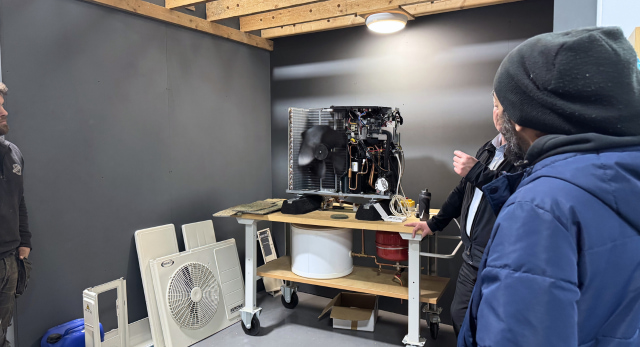
For example, Logic4training’s Air Source Heat Pump Training Course is built around learning outcomes that include planning, preparing, installing, and testing/commissioning non‑refrigerant circuit heat pump systems (plus the underlying principles of heat pump efficiency, hydraulic design, and controls).
And the broader Heat Pump Training Courses are aimed at existing plumbing and heating installers who want to top up skills for the heat pump market.
If your work touches low-temperature systems more generally, we also run a Low Temperature Heating Training Course that is designed for operatives working on low-temperature heating systems, usually heat pumps.
Don’t ignore “side risks”: gas safety during insulation and retrofit
Warm homes programmes often involve fabric improvements such as insulation and draught reduction. That’s great for comfort and bills, but it also means trades must manage combustion safety and ventilation risks properly, especially in mixed‑fuel homes.
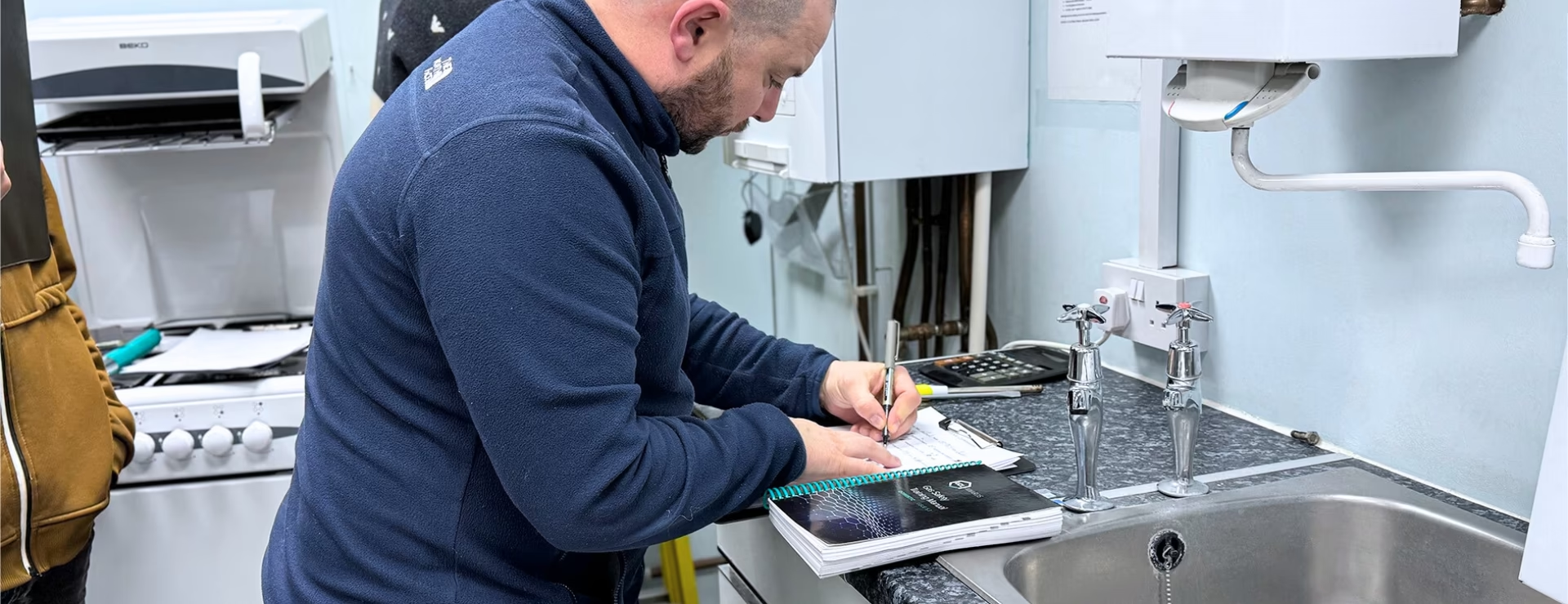
At Logic4training, our Gas Safety for Insulation Installers course is designed to help insulation/cladding installers understand the risks around gas and other fossil fuel appliances in the context of their work, covering topics like legislation, combustion, flues and ventilation, and domestic pipework insulation (where needed).
If you’re a retrofit or insulation business, this is one of those “quiet” competencies that can protect your customers and protect you from costly mistakes.
Where do electricians fit in?
Electrification doesn’t stop at the heat source.
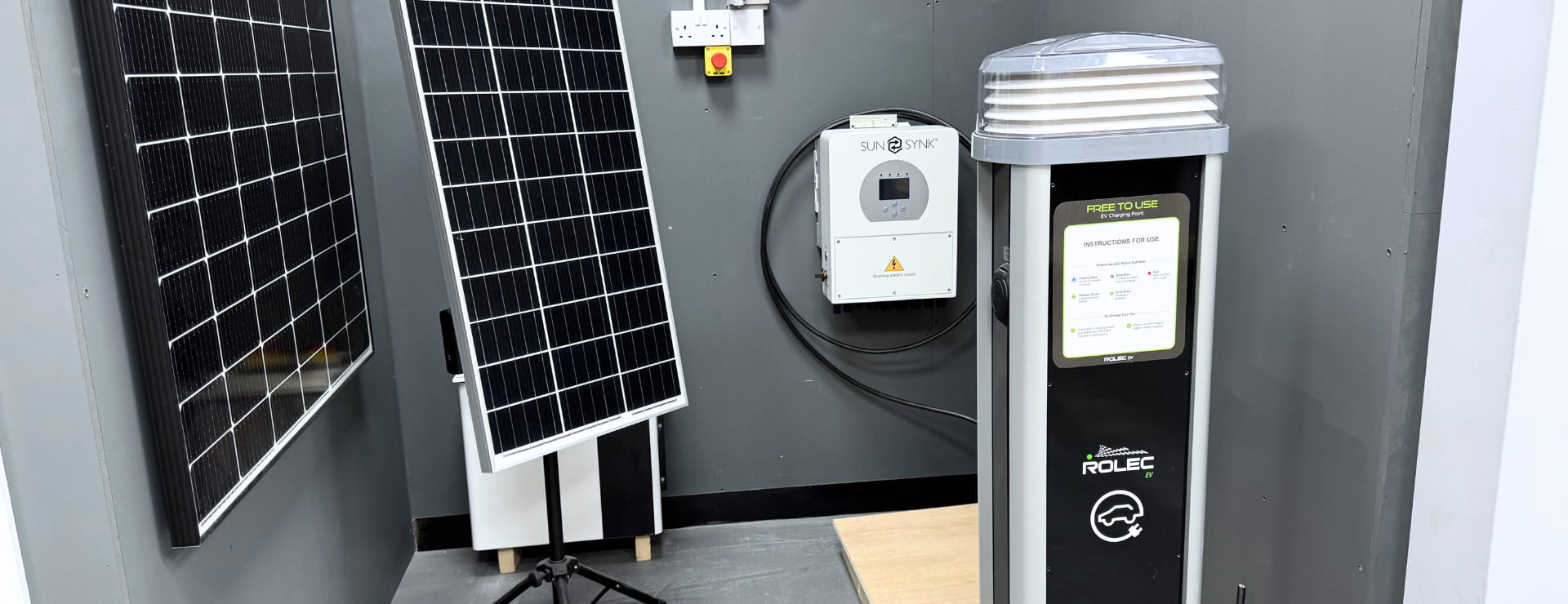
A typical “Warm Homes‑ready” property might combine a heat pump, solar PV, battery storage and EV charging, all managed by “smart” controls and supported by upgraded protective devices and consumer units. This turns the electrical installation into the backbone of the whole system, not just something that feeds a few extra circuits.
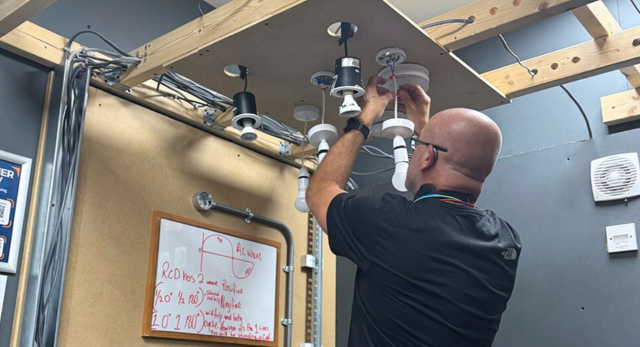
For electricians, that means more than just running a new cable to a charger or heat pump. You’ll be expected to assess existing installations properly, carry out load calculations, understand diversity, and ensure earthing and bonding are suitable when new equipment is added. In many homes, that will mean consumer unit upgrades, correct RCD/RCBO selection, surge protection decisions and careful routing of new circuits so they comply with BS 7671 and manufacturer requirements.
As homes add EV charge points and batteries, the number of “smart” and controllable loads grows, which increases the need for good communication between electricians and heating/renewables installers. A well‑designed job might, for example, use smart EV charging to avoid clashing with a heat pump’s peak demand, or coordinate battery discharge to keep grid import within the property’s capacity and tariff windows.
Electricians who understand these interactions will be in a strong position to advise customers, rather than just installing what they’re told.
Electrification is only going one way, and from our point of view, that also includes electricians as part of the Warm Homes story. As more homes add heat pumps, solar PV, solar thermal, battery storage and EV charge points, there is a clear need for installers who understand how these technologies interact, how to keep installations safe and compliant, and how to design systems that genuinely reduce bills rather than just adding complexity. For electricians who want to future‑proof their business and tap into Warm Homes‑driven demand, a good place to start is our range of renewable and smart energy upskill options, including EV charging, solar PV and battery storage, which you can find on our Renewable Technologies courses page.
What “good” looks like on Warm Homes-style jobs
If the direction of travel is “upgrade homes at pace”, quality becomes the differentiator. From our 23 years of training experience, the best-performing operatives tend to share the same habits:
- They survey properly: they gather enough information before quoting or installing (existing system, heat emitters, controls, electrical capacity, building constraints).
- They design around outcomes: comfort, efficiency, and reliability, not just “like-for-like” swaps.
- They commission and document: settings, tests, and handover details get written down so the customer understands the system and can run it well.
- They coordinate: electricians, heating installers, and insulation teams communicate early so you don’t end up reworking finished surfaces or discovering constraints on day three.
This is also where training is a commercial advantage. Customers don’t just buy kit, they buy confidence.
What to tell customers (and what not to promise)
Customers will hear “Warm Homes Plan” and assume it means fast grants, instant savings, and guaranteed outcomes. The plan itself is positioned around helping people find ways to save money on bills and upgrading homes into comfortable, low‑carbon properties, but it does not, on its own, act as a quote, a specification, or a guarantee of what any single measure will achieve in every home.
A safe, trustworthy way to frame it on-site is:
- “Lower bills, upgraded homes, low-carbon heating. This is the direction the Government is taking, so it’s a good time to modernise, but the right solution depends on your home.”
- “We’ll survey first, then propose the best-value path: sometimes that’s controls and emitters first, sometimes it’s fabric, sometimes it’s the heat source.”
That tone keeps you credible and avoids the classic problem of overselling a single technology.
Comments from Logic4training
Our Managing Director, Mark Krull, welcomes the Warm Homes Plan as a long‑awaited boost for the building services sector, giving firms more confidence to invest in skills and capacity. As he put it:
“I’m very pleased to see the Warm Homes Plan finally published, providing security for businesses in the building services sector. A huge investment overall – one of the biggest the UK has ever seen in retrofit – low carbon home improvements are now open to everyone.”
From a technology point of view, the Mark highlights how important it is that batteries are now explicitly included alongside solar PV and heat pumps, backed by government‑supported zero and low‑interest loans that help remove upfront cost barriers for homeowners. He notes that “energy storage is critical to supporting low‑carbon technologies, ensuring they perform in the most energy efficient way possible alongside grid fluctuations”, and that ambitious plans for Heat Networks sit alongside this wider push.
On the skills side, Mark is clear that policy alone is not enough:
“To deliver the Warm Homes Plan we need suitably trained installers, so I’m pleased to see that the Heat Training Grant funding will continue until 2029.”
They also call for a stronger pipeline of new entrants, welcoming the £20 million expansion of free construction‑based courses but arguing that the new Level 2 Heating & Plumbing Engineer Apprenticeship should sit centre‑stage, alongside Diplomas in Refrigeration, Air Conditioning and Heat Pump Systems, if the UK is serious about decarbonising homes at scale.
You can read Mark’s full comments on the Warm Homes Plan via his LinkedIn post here.
FAQs
What is the Warm Homes Plan in the UK?
The Warm Homes Plan is a Government programme that aims to cut energy bills and upgrade homes by helping households install energy‑saving and low‑carbon technologies, turning ageing homes into comfortable, low‑carbon properties fit for the future.
What does the Warm Homes Plan mean for tradespeople and installers?
It signals a long‑term push for home upgrades, which usually leads to more work for competent heating engineers, electricians and retrofit installers, especially those who can design, commission and prove the performance of modern low‑carbon systems.
Does the Warm Homes Plan include heat pumps, solar PV and batteries?
The Warm Homes Plan covers a range of measures including low‑carbon heating and energy efficiency upgrades, and Government communications around the plan highlight support for technologies such as heat pumps, solar PV and domestic battery storage, often backed by grants or low‑cost finance.
What training should heating engineers take for Warm Homes Plan work?
Heating engineers should focus on heat pump and low‑temperature heating competence, and Logic4training offers Heat Pump Training Courses
and an Air Source Heat Pump Training Course covering planning, installation and testing/commissioning for non‑refrigerant systems.
How does the Warm Homes Plan affect electricians?
Home upgrades under the Warm Homes Plan will often involve extra electrical loads such as heat pumps, EV charge points, solar PV and batteries, so electricians who can design, install, test and certify these systems, supported by training like Logic4training’s EV Charging Point Installation Course, are likely to see more demand.
Why is gas safety important for insulation and retrofit work?
Insulation, airtightness and cladding can change combustion air supply, flue performance and ventilation, which affects the safe operation of gas and other fossil fuel appliances, so Logic4training’s Gas Safety for Insulation Installers course helps retrofit and insulation teams understand and manage these risks.
How can installers prove competence for Warm Homes Plan projects?
Installers can demonstrate competence by holding relevant qualifications, keeping up‑to‑date with regulations, following recognised standards like PAS retrofit guidance where required, and keeping clear commissioning, testing and handover records for each job.
Where can I read the official Warm Homes Plan announcement?
You can read it on GOV.UK via the official Warm Homes Plan publication page.


 Your latest offers & alerts