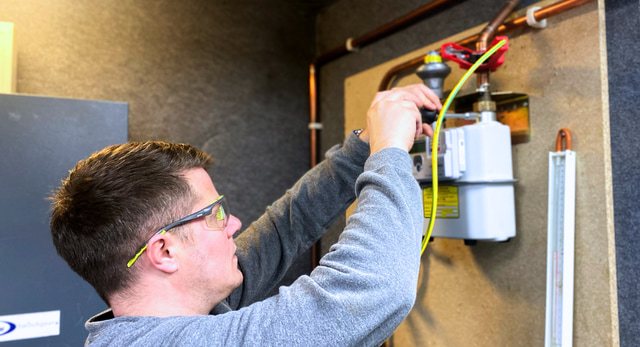

To become a smart meter installer in the UK, you need the right route into the industry, recognised training, workplace experience for ACS & CoMCoP (formally MOCoPA) assessments, as well as NSAP-approved assessments for EUSR registration for Single-Phase, Multi-Rate & Single-Phase off Multi-Phase & Gas Low Pressure. Smart meter installation is a practical, customer-facing career that combines electrical and gas work with problem-solving, safety and communication.
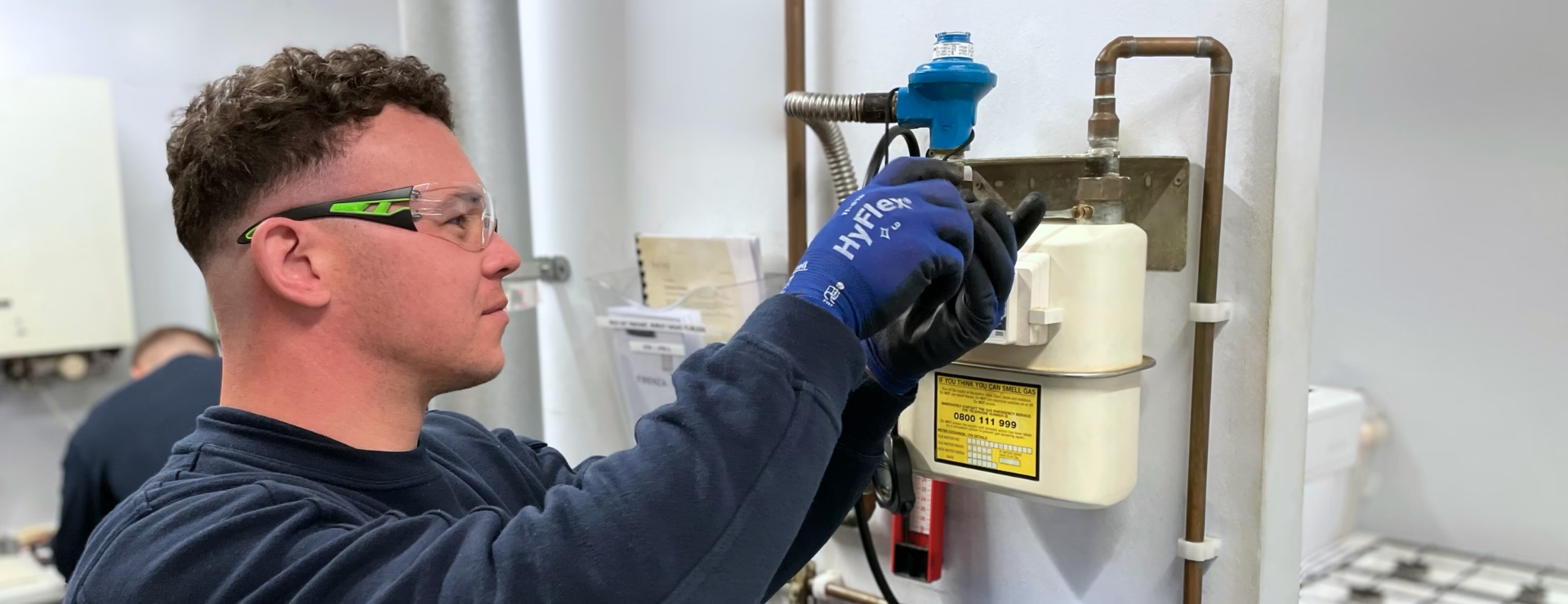
TL;DR
- Smart meter installers fit, exchange, test and commission gas and electricity smart meters in homes and small businesses.
- The most common entry route is as a dual fuel smart meter installer, meaning you can work on both gas and electricity meters.
- New entrants need industry-recognised training, assessment and supervised workplace experience before working independently.
- Gas meter work requires the appropriate gas competence qualifications and registration with the Gas Safe Register.
- Smart meter installers must meet customer-service and safety standards set through the Smart Meter Installation Code of Practice.
- An apprenticeship is a strong employed route. The Level 2 Dual Fuel Smart Meter Installer apprenticeship typically takes around 14 months.
- Logic4training is an NSAP provider for smart meter training and offers routes for complete beginners, experienced installers and employers.
What does a smart meter installer do?
A smart meter installer fits and exchanges smart electricity meters, smart gas meters and the communications equipment that allows readings to be sent securely to the energy supplier.
The job is more involved than simply changing a meter. A competent installer needs to assess the site, make the installation safe, isolate supplies correctly, install and test equipment, commission the smart meter and explain the system clearly to the customer.
A dual fuel smart meter installer may carry out work such as:
- Installing and exchanging domestic gas and electricity smart meters
- Installing communications hubs and in-home displays
- Safely isolating and reconnecting electrical supplies within the authorised scope of work
- Carrying out gas tightness testing, purging and checks where appropriate
- Identifying meter configurations and installation constraints
- Testing, commissioning and fault-finding smart metering systems
- Recording work accurately and following employer processes
- Explaining the in-home display and smart meter functions to customers
- Providing energy-efficiency guidance and responding appropriately to customer needs
The official Level 2 Dual Fuel Smart Meter Installer occupational standard describes the role as safely installing, exchanging, maintaining, commissioning and decommissioning gas and electricity smart meters, alongside associated communications equipment. Customer support and energy-efficiency advice are part of the role, not an optional extra.
Why choose smart metering?
Smart metering can offer a clear route into the wider energy and utilities sector. It suits people who enjoy practical work, working independently, meeting customers and solving real-world problems.
The role has a strong service element. You may work in a different property every day. One job could involve a straightforward meter exchange. The next may involve limited access, older meter positions, communication issues or a customer who needs extra support to understand the new equipment.
Smart meters are supplied and fitted by energy suppliers. They normally include an electricity meter, gas meter where relevant, communications hub and an in-home display. The display helps customers understand their energy use in pounds and pence, while the communications hub securely shares information with the supplier. Read more in Ofgem’s guide on getting a smart meter.
This makes installers central to the customer experience. A good installation is safe, tidy, correctly commissioned and properly explained.
The routes into smart meter installation
There is no single route for everyone. The right option depends on whether you are completely new to the industry, already work in gas or electrical metering, or are an employer building an installation team.
For a complete beginner, a dual fuel programme is usually the broadest route. It prepares you for both electricity and gas smart meter work, rather than limiting you to one fuel.
Logic4training’s New Entrant Dual Fuel Smart Meter Installer course is designed for people new to smart metering, as well as those with relevant previous experience who do not yet hold the necessary metering qualifications. It covers practical installation skills and the underpinning knowledge needed to work within applicable regulations, codes of practice and industry guidance.
Qualifications and registrations you need
Smart metering is a regulated and safety-critical area. The exact requirements can vary according to the work you will do and the employer or authorised business you will work for.
For gas and dual fuel work, your route will usually involve the following.
Smart metering training and assessment
Installers need training and assessment mapped to National Skills Academy for Power smart metering requirements. The EUSR Smart Metering scheme sets out evidence requirements for relevant electricity, gas and dual fuel categories.
For dual fuel registration, accepted evidence may include a Level 2 Diploma in Smart Metering – Dual Fuel, the Level 2 Dual Fuel Smart Meter Installer apprenticeship, or a certificate from an NSAP-approved training programme. Gas evidence also requires a current Gas Safe card.
Gas qualifications and Gas Safe registration
If you will work on gas meters, you must be competent and appropriately registered for that work. The Smart Meter Installation Code of Practice specifies that installers performing gas meter work must be appropriately registered with the Gas Safe Register.
Gas work carries real risks. Training must cover safe working, gas regulations, pipework, tightness testing, purging, unsafe situations, combustion and ventilation where these are relevant to the job scope.
EUSR registration
The Energy & Utilities Skills Register is widely used across the utilities sector to record approved training and competence. Your employer or contracting route will determine the exact registration categories and evidence required.
Before signing up for a course, ask:
- Which EUSR registration will I be eligible for?
- Does the course include registration and assessment costs?
- What workplace evidence or mentoring do I need afterwards?
- Which work categories will I be authorised to carry out?
- What does my prospective employer require before I can start work?
Employer authorisation
Personal qualifications are essential, but they are not the whole picture. You will normally work under a metering business that has the appropriate authorisation, procedures and quality controls.
The EUSR scheme states that smart metering applicants may need evidence from their employer, including company authorisation for relevant electricity work. This is why it makes sense to consider training and employment together, rather than treating the course as the final step.
What training covers
Good smart meter training blends classroom knowledge, practical work and assessment. You need to understand the theory, but you also need to be able to perform safely under realistic conditions.
A well-structured dual fuel programme should cover:
- Health, safety and risk assessment
- Safe isolation and proving dead within your authorised scope
- Electricity meter types, configurations and exchange processes
- Gas meter installation and exchange procedures
- Communications equipment and commissioning
- Meter testing and fault-finding
- Gas tightness testing and purging
- Relevant legislation, standards and codes of practice
- Customer care, vulnerability and data protection
- Completing records and following company procedures
- Practical assessment in realistic training environments
Customer care matters as much as technical work. Ofgem states that installers must follow an installation code of practice that includes offering an in-home display, demonstrating the equipment and providing energy-efficiency guidance.
The occupational standard also highlights the need to recognise customer needs, including vulnerability. In practice, that means being clear, patient and respectful. It also means knowing when to pause work, escalate an issue or make reasonable adjustments.
New entrant course or apprenticeship?
Both routes can lead to smart metering work. The choice comes down to your circumstances.
A managed learning programme may suit you if you want intensive training before securing a role, are changing career, or already have a potential employer that can provide mentoring and supervised work experience.
An apprenticeship may suit you if you want paid employment from day one and can find an employer willing to support your development. The government-listed Level 2 Dual Fuel Smart Meter Installer apprenticeship is a Level 2 technical occupation and typically takes around 14 months.
Logic4training also offers a Level 2 Dual Fuel Smart Meter Installer apprenticeship route. It gives employers and learners a structured route that combines employment, practical learning and workplace competence.
The key point is simple: training gives you the foundation, but consistent workplace experience turns that knowledge into safe, independent competence.
What employers look for
Employers will usually want a combination of formal competence, practical aptitude and the right attitude.
Technical ability matters, but it is only one part of the job. Smart meter installers regularly enter people’s homes, work around live services and explain unfamiliar technology. Reliable customer service is therefore a core professional skill.
Employers commonly value:
- A safety-first mindset
- Good practical and mechanical ability
- Clear communication
- Confidence using digital job systems and mobile devices
- Time management and organisation
- A full UK driving licence, depending on the role
- Flexibility to travel across a local or regional patch
- The ability to work alone while knowing when to ask for help
- Respect for customers’ homes and circumstances
If you are new to the sector, evidence of reliability can help. That could include previous customer-facing work, trade experience, logistics work, technical study or a strong track record in another practical role.
Career progression after smart metering
Smart metering can be a destination in its own right, but it can also be a stepping stone into broader energy, utilities and building-services work.
After gaining experience, you may progress into:
- Team leader, mentor or field coach roles
- Quality assurance and auditing
- Technical support or fault investigation
- Three-phase and more complex metering work
- Smart metering management or operations
- Wider electrical or gas pathways, subject to the relevant training and qualifications
- Energy efficiency, low-carbon heating or renewable technology roles
Three-phase work is one example of specialist progression. Logic4training’s three-phase meter installation and exchange course is aimed at experienced domestic smart meter installers with at least 12 months’ experience in relevant single-phase and multi-rate installations.
For installers who need to broaden their safety awareness or work scope, Logic4training also offers additional smart meter training in areas including heavy-duty cut-outs, multi-service distribution boards and safe isolation.
Choosing the right smart meter course
Do not choose a course on price alone. Ask what it enables you to do afterwards and whether it aligns with the work available through your intended employer.
A useful checklist includes:
- Is the provider NSAP-approved for the relevant smart metering training?
- Does the programme cover gas, electricity or both?
- Are the assessments recognised by the employers you want to work for?
- Is EUSR registration included?
- Does the gas pathway include the required competence and registration process?
- Does the course include realistic practical training?
- Is there a mentored work-placement requirement?
- Can you progress to specialist areas later?
Logic4training is a National Skills Academy Provider for smart metering and provides training and assessment for both new entrants and experienced operatives. This includes dual fuel training, EUSR, ACS and CoMCoP-related assessment routes.
Explore the full range of smart meter training courses to identify the right starting point for your experience, career plans and intended work scope.
For employers, smart meter training can also support recruitment and workforce development. Logic4training’s smart meter apprenticeship information explains how the dual fuel pathway can develop employees to install and commission low-pressure gas and single-phase electricity smart meters, plus communications units.
Is smart meter installation right for you?
Smart meter installation can be a rewarding option if you want practical work with a clear route into the energy sector. It is not purely electrical work, purely gas work or purely customer service. It is a blend of all three.
The best installers are methodical, safety-conscious and comfortable speaking to people. They can follow a process without becoming robotic. They understand that a meter exchange affects someone’s home, energy supply and confidence in the technology.
If that combination appeals to you, start by choosing a recognised training route, understanding the competence requirements for your preferred job type and speaking to potential employers about the authorisations they expect.
FAQs
Do you need qualifications to become a smart meter installer?
Yes. You need recognised smart metering training and assessment for the work you will carry out. Gas meter work also requires the relevant gas competence and appropriate Gas Safe registration. Your employer or authorised metering business may require additional evidence, registration or authorisation.
Can I become a smart meter installer with no experience?
Yes. New entrant training programmes and apprenticeships are designed for people entering the sector. However, you will still need practical training, assessment and supervised workplace experience before working independently. Logic4training’s dual fuel new entrant programme is designed for learners new to smart metering.
How long does it take to become a smart meter installer?
It depends on the route. A full Level 2 Dual Fuel Smart Meter Installer apprenticeship typically takes around 14 months. Intensive managed learning programmes can provide the core training more quickly, but you will still need mentoring, workplace experience and any required registration before operating independently.
Do smart meter installers need to be Gas Safe registered?
If you carry out gas meter work, you must be appropriately registered with the Gas Safe Register. Electricity-only installers do not need Gas Safe registration for electricity meter work, but they must still meet the relevant smart metering competence and employer authorisation requirements.
Can a smart meter installer progress into other trades?
Yes. Experienced installers can move into specialist metering, quality assurance, coaching and management, or build further competence in wider gas, electrical and low-carbon technology pathways. The exact route depends on the additional training, qualifications and workplace experience required for that field.


 Your latest offers & alerts