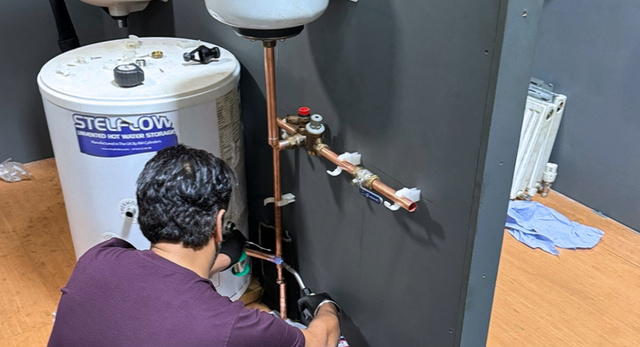

G3 regulations set the safety standard for hot water storage systems in England, including unvented cylinders. For plumbers, the practical job is to make sure the complete system controls temperature, pressure and expansion safely, and that any discharge is routed where it can be seen without putting people at risk.
TL;DR
- G3 is the hot water safety requirement within Approved Document G of the Building Regulations in England.
- Unvented hot water systems store water at mains pressure, so they need independent temperature and pressure safety measures, expansion provision and safe discharge pipework.
- “G3 qualification” is industry shorthand. G3 is the regulation; a Hot Water Systems & Safety qualification is evidence of relevant competence.
- An unvented installation normally needs Building Control notification unless it is notified through an appropriate Competent Person Scheme.
- Correct design, manufacturer-approved components, commissioning, servicing and customer handover are all part of a safe installation.
Approved Document G gives statutory guidance on sanitation, hot water safety and water efficiency. Requirement G3 deals specifically with hot water supply and systems. It is particularly important for stored hot water because a vessel that overheats or becomes over-pressurised can present a serious risk.
This article explains what G3 means on site, the main unvented cylinder regulations, and how recognised Hot Water Systems & Safety training supports competent work.
What are G3 regulations?
G3 is part of Approved Document G to the Building Regulations. It covers hot water supply and systems, including the safety of hot water storage vessels. In simple terms, a hot water system must be designed, constructed and installed so it can safely withstand the temperatures and pressures likely during normal use and reasonably foreseeable faults.
For a stored hot water system, the guidance requires precautions to prevent stored water exceeding 100°C. It also requires discharge from safety devices to be conveyed safely to a visible location where it will not endanger people.
That is why G3 reaches beyond fitting a cylinder. It affects the selection and installation of controls, relief valves, expansion arrangements, pipework, commissioning and documentation.
Important distinction: G3 is not the name of a plumbing certificate. It is a Building Regulations requirement. The phrase “G3 certificate” is commonly used to describe a recognised training and assessment certificate that demonstrates competence to work on relevant hot water systems.
Why G3 matters to plumbers
An unvented hot water system is connected directly to the mains. It can provide strong, balanced hot water flow, but it also stores hot water under pressure. As water heats, it expands. If normal controls fail or the expansion cannot be accommodated, pressure and temperature can rise quickly.
G3 requirements help plumbers manage those risks by requiring a coordinated safety approach. The system must include suitable controls and relief arrangements, and its discharge route must not create a second hazard.
The key point is that G3 safety does not depend on one valve or one control. It depends on the whole system being designed, installed and checked properly.
What is an unvented hot water system?
An unvented system stores domestic hot water in a sealed cylinder supplied directly from the mains. Unlike a traditional vented cylinder supplied by a cold-water storage cistern, it delivers hot water at mains pressure.
How an unvented system works
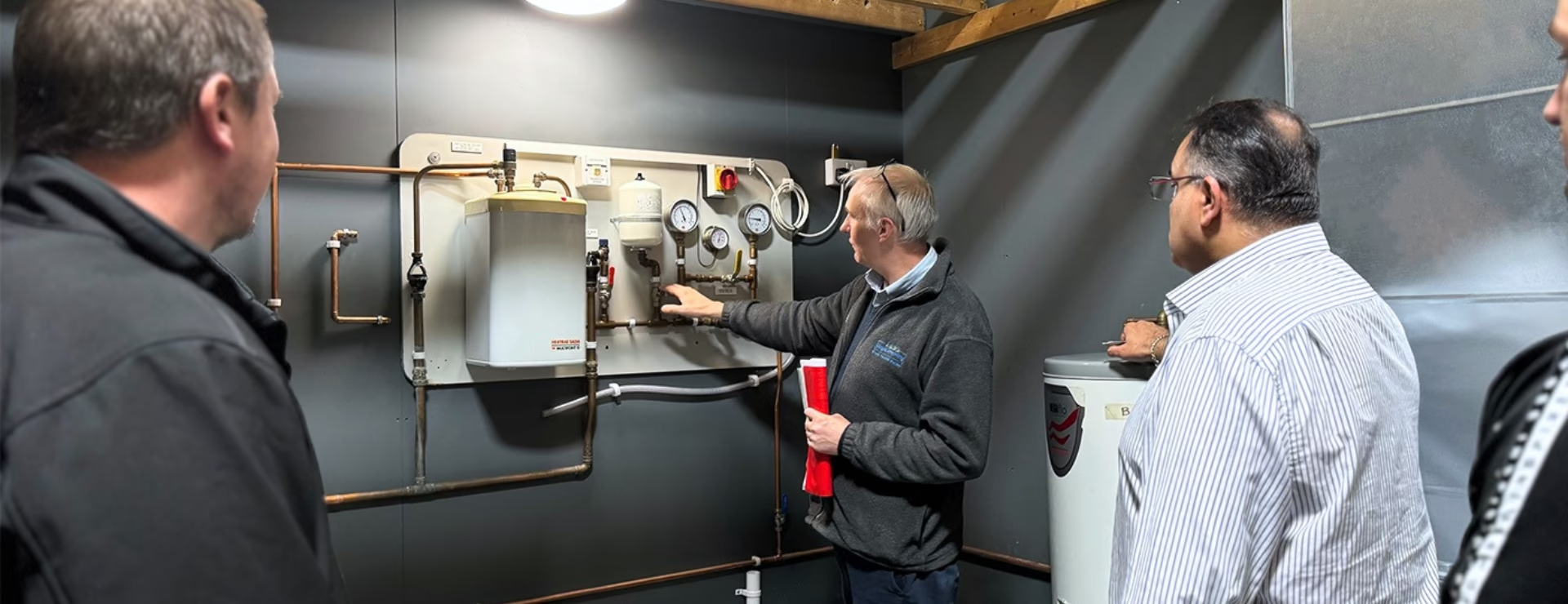
When the heat source warms the stored water, the water expands. Because the cylinder is sealed, that expansion must be controlled. A typical installation therefore uses an inlet control group, pressure-reducing valve, expansion vessel or internal air gap, expansion relief valve, thermostat, energy cut-out and temperature and pressure relief valve. The exact arrangement must follow the cylinder manufacturer’s instructions and the applicable guidance.
Unvented is not automatically better or worse than vented. It is a different system type, with particular benefits and a higher level of safety-critical installation detail.
What do G3 regulations cover?
Temperature safety
The cylinder thermostat controls normal heating. A separate, non-self-resetting energy cut-out provides another layer of protection if the primary control fails. The aim is to prevent stored water exceeding 100°C. Temperature relief or a combined temperature and pressure relief valve provides the final safety route if overheating occurs.
Pressure safety and expansion
Mains pressure must be suitable for the chosen cylinder and controls. Heating water increases its volume, so the system needs correctly sized and installed expansion provision. This may be an expansion vessel or another manufacturer-approved arrangement. The vessel charge pressure, system pressure and relief settings all need to be compatible.
Safety relief
Relief valves are not optional extras and must never be isolated, capped or altered. They protect the vessel when temperature or pressure exceeds safe limits. Use the correct components for the cylinder, fit them as specified and make sure their discharge route remains unobstructed.
Safe discharge
Approved Document G requires discharge from safety devices to be safely conveyed to a visible location where it will not cause danger. In a common arrangement, D1 pipework runs from the safety device to a tundish, and D2 pipework runs from the tundish to a safe termination. Follow the detailed sizing, routing, fall, material and termination guidance in Approved Document G and the cylinder instructions. Do not treat a generic diagram as a substitute for checking the specific installation.
Main unvented cylinder regulations: a site checklist
Use this as a practical planning prompt, not as a design specification. The latest Approved Document G, the product instructions and any relevant project requirements take priority.
- Cylinder selection: Confirm capacity, pressure rating, heat-source compatibility and approved safety components.
- Incoming water: Check available mains pressure and flow rate before specifying the system.
- Location: Allow for structural support, access for future servicing, pipe routes and a safe discharge route.
- Expansion: Select and set up the expansion arrangement for the cylinder and installation conditions.
- Controls: Fit thermostat, energy cut-out, inlet controls and relief devices exactly as required.
- Discharge: Plan D1, tundish and D2 arrangements before the cylinder is fixed in place.
- Commissioning: Test operation, check for leaks, complete records and explain the system to the customer.
- Notification: Use the correct Building Control or Competent Person Scheme process for the work.
Key safety components explained
Cylinder thermostat
This is the normal operating control. It calls for and stops the heat source to maintain the intended stored-water temperature.
Energy cut-out
This is independent secondary protection. If the thermostat does not control the temperature, the non-self-resetting cut-out disconnects the heat supply and must be manually reset after the cause has been investigated.
Temperature and pressure relief valve
The T&P valve protects against excessive temperature and pressure. It must be correctly positioned, compatible with the vessel and connected to a safe discharge route.
Expansion vessel and expansion relief valve
The vessel provides space for expanded water. The expansion relief valve protects the system if pressure rises beyond its set point. Persistent discharge may point to a failed vessel, incorrect pre-charge, unsuitable pressure conditions or another system fault.
Pressure-reducing valve
This regulates the incoming mains supply to a suitable working pressure for the system. It should be part of an arrangement that matches the cylinder manufacturer’s requirements.
Installing, commissioning and maintaining safely
Good unvented work starts before installation. Survey the water supply, confirm the cylinder specification, check the intended location and map the discharge route. Poor planning often leads to compromised pipework, inaccessible components and avoidable return visits.
During installation, follow the manufacturer’s instructions rather than mixing components or adapting an arrangement without approval. This matters even more where a cylinder is integrated with a heat pump, solar thermal system or another renewable heat source. For current context, see Logic4training’s guide to G3 compliance for unvented hot water systems.
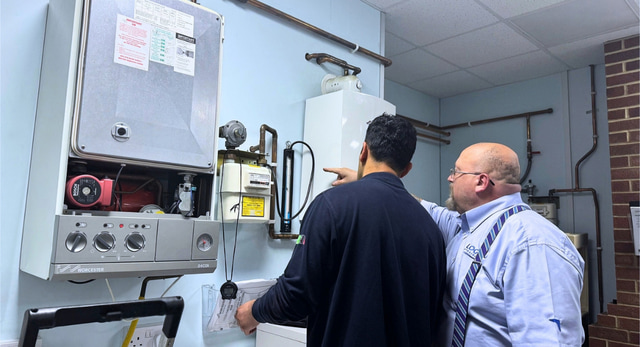
Commissioning should verify the operating pressure, temperature control, safety devices, expansion arrangement, leaks and general system operation. Complete the relevant commissioning paperwork, give the customer the manufacturer information and explain the need for ongoing servicing.
Service work should include checks on safety valves, the expansion vessel and relief arrangements, temperature controls, tundish, D1 and D2 pipework, and evidence of previous discharge. Follow the manufacturer’s service schedule and use appropriate replacement parts. A valve that discharges, a constantly wet tundish or repeated pressure issues are symptoms to investigate, not problems to hide.
Do plumbers need a G3 qualification?
Plumbers should only install, commission or service systems they are competent to work on. In everyday trade language, people often say they need “G3 training” or a “G3 certificate”. More precisely, they need recognised hot water systems training and assessment that demonstrates relevant competence, plus the right notification route for the work.
These are separate but connected concepts:
- G3 Building Regulations: The legal requirements and statutory guidance for hot water safety.
- Installer competence: The knowledge, practical skill and experience to undertake the work safely.
- Hot Water Systems & Safety qualification: Recognised evidence of competence for relevant vented and unvented hot water work.
- Competent Person Scheme membership: A separate registration route that can allow an installer to self-certify applicable work.
- Building Control notification: The alternative route where self-certification is not available.
Under Approved Document G guidance, installing an unvented system is notifiable building work. A suitably registered installer can generally use their Competent Person Scheme route instead of notifying Building Control in advance; holding a qualification alone does not automatically create that self-certification entitlement.
What G3 training covers
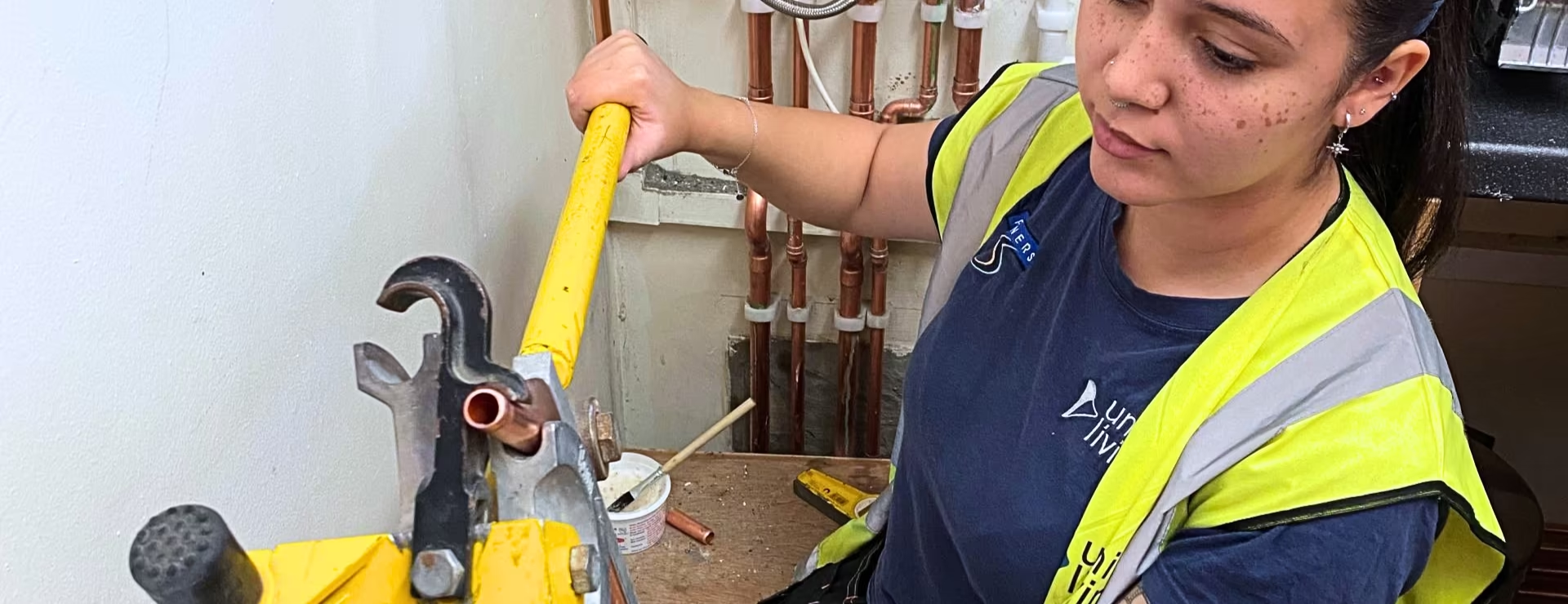
Appropriate hot water systems training should help experienced installers connect the regulations to real installations. This includes vented and unvented systems, temperature and pressure controls, expansion, safety valves, discharge pipework, installation, commissioning, servicing and fault finding.
Logic4training’s LCL Awards Hot Water Systems & Safety course is a one-day, experienced-level qualification covering vented and unvented domestic systems. It includes training and assessment, and the resulting certificate is valid for five years. Candidates need relevant experience in domestic hot and cold water systems and recognised prior competence before attending.
This is particularly useful for heating engineers broadening their scope, and for installers moving into renewable heating. An unvented cylinder often forms part of a heat-pump system, and Logic4training lists Hot Water Systems & Safety as a requirement for its heat pump training courses.
How to become G3 qualified
- Build practical experience in domestic plumbing or heating systems.
- Check the entry requirements for an appropriate recognised hot water systems qualification.
- Complete training and assessment covering vented and unvented systems.
- Keep your certificate current and stay alert to changes in regulations, standards and manufacturer guidance.
- If you want to self-certify, apply separately to an appropriate Competent Person Scheme and follow its registration and notification process.
FAQs
What does G3 mean for plumbers?
G3 is the part of Approved Document G that deals with hot water supply and system safety. It matters most when working with stored hot water, especially unvented cylinders, because it covers temperature control, pressure control, expansion, safety valves, discharge arrangements, installation and commissioning.
Do plumbers need a G3 qualification?
Plumbers need the competence appropriate to the work they carry out. “G3 qualification” usually means recognised training and assessment in hot water systems safety. It is separate from Competent Person Scheme membership, which is the route that can allow an eligible installer to self-certify applicable installations.
What are the regulations for unvented cylinders?
Unvented cylinder requirements cover safe temperature and pressure control, expansion provision, independently operating safety devices, discharge pipework, suitable system components, manufacturer instructions, commissioning and Building Regulations notification. Refer to Approved Document G and the cylinder manufacturer’s instructions for the detailed requirements of a specific installation.
Can any plumber install an unvented cylinder?
No plumber should undertake work outside their competence. Unvented systems operate under mains pressure and depend on safety-critical controls and discharge arrangements. Relevant experience, recognised training, correct installation and commissioning, plus the correct notification route, are essential.
What does G3 training cover?
Good Hot Water Systems & Safety training covers the regulations and the practical work behind them: vented and unvented systems, pressure and temperature safety, expansion, safety controls, discharge pipework, installation, commissioning, servicing and fault identification. At Logic4training, the current LCL Awards HWSS course is designed for experienced plumbers and heating engineers.


 Your latest offers & alerts