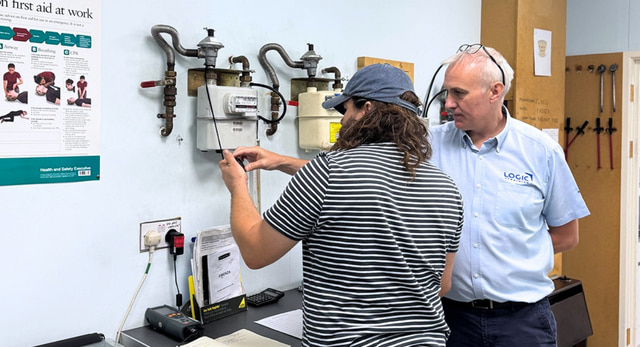

ACS certification, technical standards and unsafe-situations procedures play different roles in gas safety. This article explains how they fit together, what gas engineers need to check and how the guidance has developed.
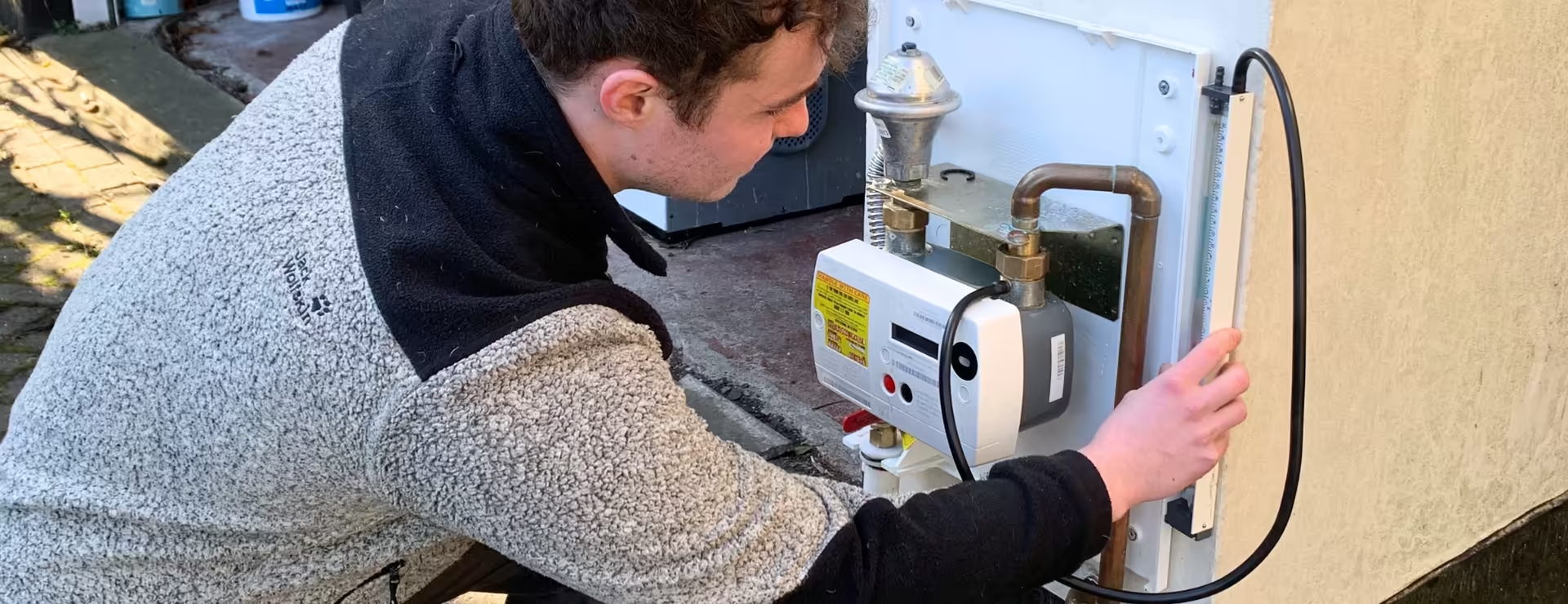
TL;DR
- ACS assesses competence in specific categories of gas work. It does not replace Gas Safe registration or the need to maintain practical competence.
- IGEM publishes different standards and guidance documents. Use the current publication relevant to the installation and work.
- IGEM/G/11 is the Gas Industry Unsafe Situations Procedure. GIUSP remains a valid abbreviation, although older editions have been superseded.
- Immediately Dangerous and At Risk are different classifications. The appropriate action depends on the circumstances and the current procedure.
- “Danger Do Not Use” communicates risk to customers. It does not mean every unsafe situation is handled in the same way.
- IGEM/UP/1B Edition 4 became effective on 1 October 2026 for testing and purging within its scope.
- A standards update does not automatically require a new qualification. Check its relevance, effective date and implications for your competence.
How ACS, IGEM Standards and Gas Safety Regulations Fit Together
These terms describe connected parts of gas safety, not interchangeable qualifications or rules. Understanding the distinction helps you choose the right training, find the relevant technical document and recognise your legal responsibilities.
For example, holding domestic ACS certification does not remove the need to follow the applicable testing standard. Reading that standard does not award an ACS certificate. Neither replaces the requirement for appropriate Gas Safe registration where the law requires it.
For the legal framework in Great Britain, consult the HSE’s Gas Safety (Installation and Use) Regulations guidance and Approved Code of Practice. Check the applicable legislation when working in another jurisdiction.
What Is ACS Certification and What Does It Cover?
The Nationally Accredited Certification Scheme, usually called ACS, assesses an individual’s competence in defined categories of gas work. Its assessment criteria reflect relevant standards, working practices and technology.
It is not a single certificate allowing an engineer to undertake every gas job. Domestic engineers commonly hold CCN1 core gas safety alongside the appliance categories relevant to their work. Commercial heating, catering, LPG and metering have their own requirements.
There are important differences between assessment routes:
- Initial assessment establishes competence in a category for the first time. It may also be required following a sufficiently long certification lapse.
- Reassessment checks continuing competence in categories already held, including relevant developments since the previous assessment.
- Extending certification involves adding categories or moving into another area of work. Prerequisites, experience and evidence requirements may differ from renewal.
ACS certificates normally require renewal every five years. Gas Safe registration is separate and renewed annually. An unexpired certificate does not remove the need to maintain current knowledge and practical competence.
For work within the relevant legal scope, the business must be Gas Safe registered and the engineer competent for the work undertaken. The HSE’s Gas Safe Register guidance explains the registration requirement.
Our domestic ACS gas safety courses cover initial assessments, reassessments and individual appliance categories. Check your existing certificates and intended work before selecting a course.
What Are IGEM Standards for Gas Engineers?
IGEM stands for the Institution of Gas Engineers and Managers. It publishes standards and guidance covering different areas of gas engineering.
There is no single “IGEM gas standard” for every installation. The relevant publication depends on the fuel, installation, operating conditions and activity. Engineers must check a document’s scope before applying it.
For example, IGEM/G/11 concerns unsafe situations. IGEM/UP/1B concerns tightness testing and direct purging of small gas installations. They answer different technical questions.
Example: IGEM/UP/1B Edition 4
IGEM/UP/1B Edition 4 was published in March 2026 and became effective on 1 October 2026. Edition 3 was withdrawn on 30 September 2026.
It covers tightness testing and direct purging of small LPG/Air, natural gas and LPG installations within defined scope limits. Engineers must confirm that an installation falls within those limits before using it.
Our IGEM/UP/1B Edition 4 article explains the update. Engineers must check installation volume as well as meter capacity, pipe size and operating pressure when establishing whether the standard applies. Meter size alone is not enough.
This illustrates why publication and effective dates matter. A new edition can be published before its predecessor is withdrawn. Check transition arrangements rather than assuming publication immediately changes every working requirement.
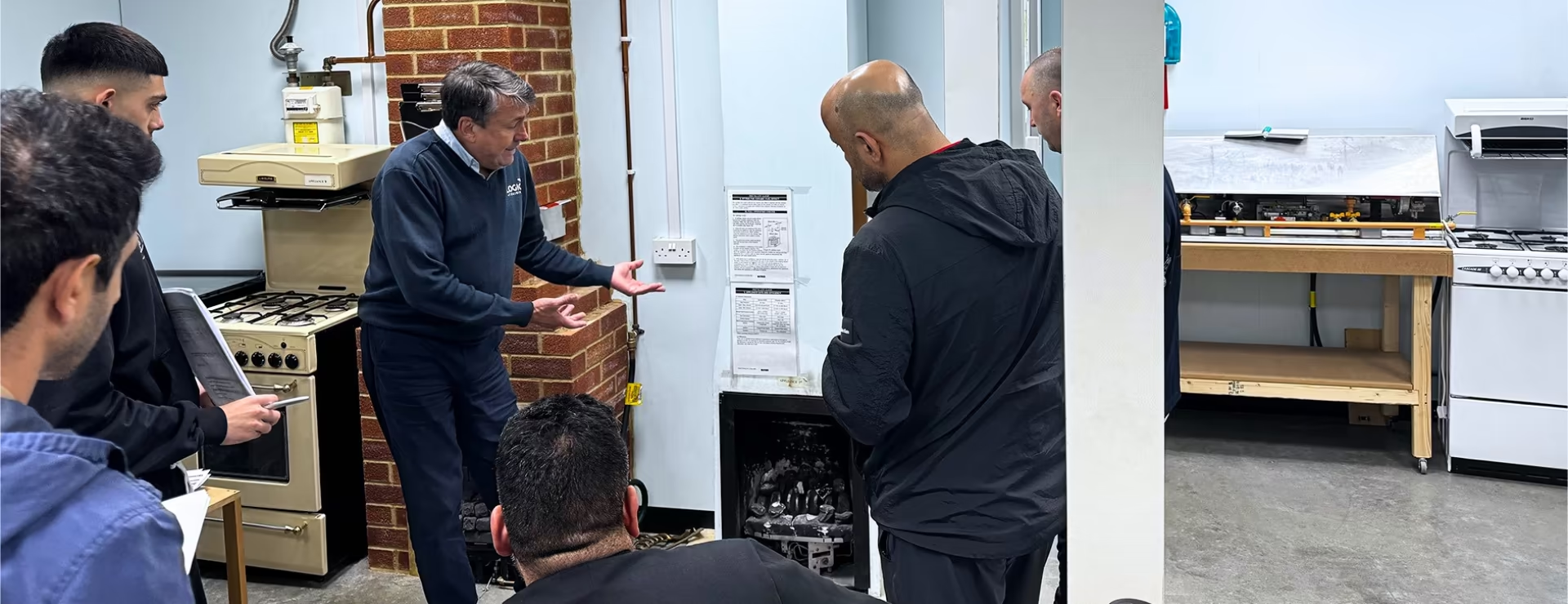
What Is the Gas Industry Unsafe Situations Procedure?
GIUSP stands for Gas Industry Unsafe Situations Procedure. The current procedure is published as IGEM/G/11 and provides an industry approach to identifying, classifying and dealing with unsafe gas situations.
Older resources may refer to superseded editions previously published through Gas Safe Register. That does not make every use of “GIUSP” outdated. The name and abbreviation remain in the IGEM document.
How IGEM/G/11 replaced the former Gas Safe Register procedure
Gas Safe Register withdrew its former GIUSP Edition 7.1 and it was replaced by IGEM/G/11. This changed the document engineers needed to consult. It was not simply a case of “GIUSP being renamed IGEM”: IGEM is the institution, while IGEM/G/11 is the publication reference.
The version checked for this guide is IGEM/G/11 Edition 2 with amendments July 2022, June 2024 and July 2025. It addresses classification, appropriate action, customer communication and relevant reporting requirements.
Our article about the replacement of Gas Safe Register’s former GIUSP document explains the original transition. For working decisions, consult the current controlled copy through IGEM or Gas Safe Register’s technical information area.
How Are Unsafe Gas Situations Classified?
An unsafe gas situation involves an appliance or installation presenting a danger, or potential danger, to life or property. The engineer must assess the actual circumstances rather than classify a defect from memory alone.
IGEM/G/11 retains two classifications:
- Immediately Dangerous (ID): an appliance or installation presenting an immediate danger to life or property if left connected to a gas supply.
- At Risk (AR): a potentially dangerous appliance or installation where one or more faults could create a future danger to life or property.
The procedure includes examples, but they are not exhaustive. Engineers must justify their classification through a site-specific assessment and seek guidance where the issue exceeds their competence.
A departure from today’s standards does not, by itself, establish an ID or AR classification. Equally, an installation is not safe simply because it was acceptable when fitted. The assessment must consider the actual risk.
Engineers also need to communicate their findings clearly. Customers should understand what is unsafe, what action is required and what must happen before affected equipment can be used again.
Understanding “Danger Do Not Use”
The “Danger Do Not Use” message was introduced to make safety warnings clearer to customers. Technical terms such as “At Risk” could fail to communicate that equipment should not be used.
However, a shared warning does not mean ID and AR situations require identical actions.
Immediately Dangerous situations
Where an ID situation cannot be rectified and made safe during the visit, the procedure requires explanation of the danger and, with permission, immediate disconnection and sealing of the affected gas supply.
If permission is refused, the engineer must follow the escalation requirements. For natural gas, this includes immediately contacting the Gas Emergency Contact Centre; for LPG, the gas supplier. Warning labels, notices and records also form part of the procedure.
At Risk situations
Where turning off the affected appliance or installation removes the risk, the procedure generally requires this with the responsible person’s permission, alongside the appropriate warning label and notice.
There are defined exceptions where turning off does not improve safety. Examples include certain built-over polyethene service pipes and incorrectly sited LPG bulk storage vessels.
For those specified exceptions, IGEM/G/11 provides a different route: explain the risk, issue the required warning notice and identify the responsible organisation for investigation. A “Danger Do Not Use” label is not attached under that route.
These summaries do not replace Section 6 of the current procedure. Follow its full requirements, including those addressing permission, absent responsible persons, written communication and any applicable reporting duties.
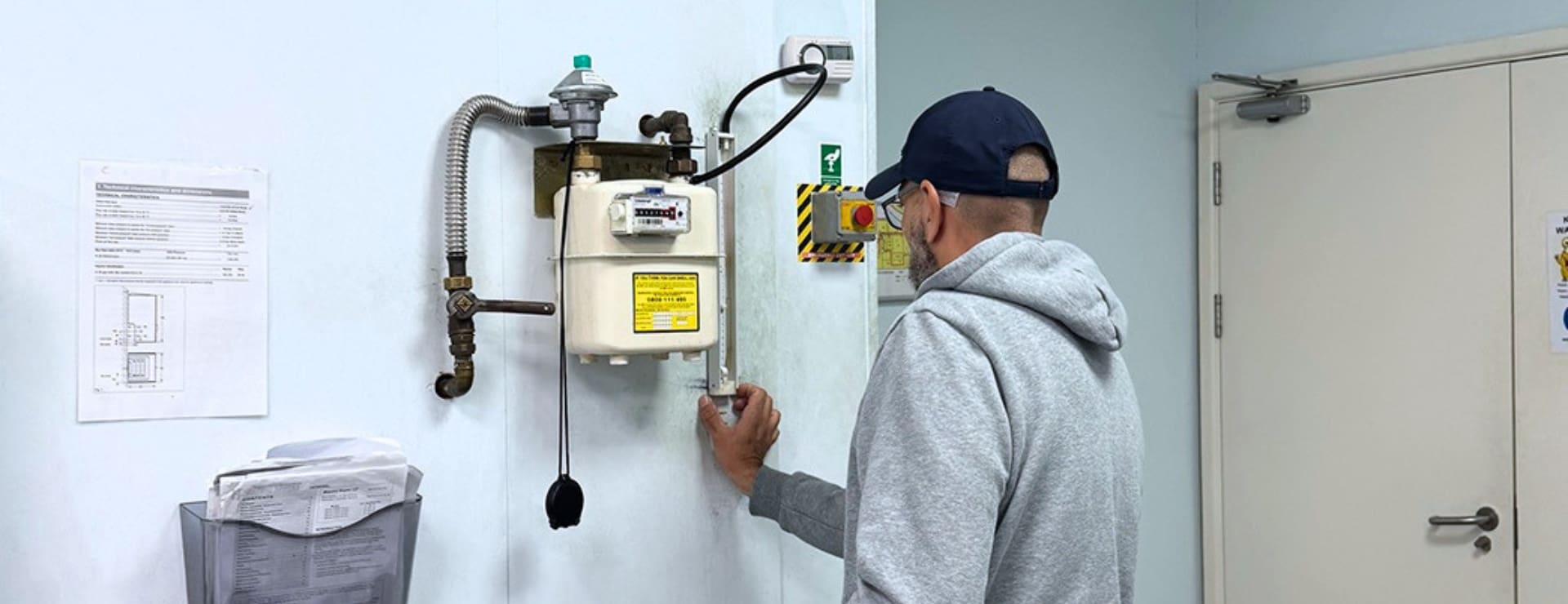
How ACS and Gas Safety Guidance Have Developed
Historical changes explain why older articles and training materials can use different terminology or describe different entry requirements. They should provide context, not replace current documents.
2015: Clearer unsafe-situations communication
The July 2015 changes introduced clearer “Danger Do Not Use” communication and removed “Not to Current Standards”, or NCS, from the unsafe-situations procedure. Our historical GIUSP warning-message article explains that development.
2017: Managed learning programmes
Our 2017 ACS update described changes from 1 October 2017. Managed learning programmes leading towards Gas Safe registration, through ACS or NVQ routes, were updated to reflect IGEM/IG/1 Standards of Training in Gas Work.
This concerned the training pathway preparing candidates for competence assessment. It was not a blanket replacement of existing engineers’ certificates.
2018: Experience before extending scope or range
Our 2018 ACS update explained changes introduced on 1 October 2018 under the then-current Guidance Note 8.
It described a requirement to demonstrate at least six months on the Gas Safe Register before extending scope or range. Scope concerned moving into another sector; range concerned adding categories within a sector. Candidates needed supporting evidence, while reassessments were unaffected.
The lasting lesson is to check eligibility before booking additional categories. Current admission decisions must follow the applicable scheme guidance, prerequisites and evidence requirements.
Later developments
IGEM/G/11’s first edition was published in 2018. Edition 2 followed in 2021, with subsequent amendments in July 2022, June 2024 and July 2025. Separately, IGEM/UP/1B Edition 4 became effective on 1 October 2026.
Always distinguish an article’s displayed publication or update date from the date a requirement changed.
What Should Gas Engineers Do When Standards Change?
Standards can change between ACS renewals. Holding an unexpired certificate does not remove the need to understand a revised procedure relevant to today’s job.
- Identify the document and amendment. Check the edition, publication date, effective date and any withdrawal notice.
- Check the scope. Establish whether the update affects your fuel type, appliances, installations or activities.
- Read the requirements. Do not rely exclusively on summaries, forums or an old training handout.
- Review working arrangements. Update relevant instructions, records, equipment and customer communication.
- Check assessment implications. Ask your centre about current prerequisites and documentation before booking.
- Close knowledge gaps. Use focused training or CPD where necessary and keep relevant ACS certification current.
Not every update requires a new qualification. Familiarisation and revised working practices may be sufficient for some changes. Others may require additional training, experience or assessment. The answer depends on the update and your existing competence.
Keep Your Gas Engineering Knowledge Up to Date
At Logic4training, we support engineers taking initial ACS assessments, renewing certification and moving into specialist categories. Our gas provision includes domestic, commercial, catering, LPG and metering routes.
Choose training around your existing qualifications, experience and intended work. That might mean ACS reassessment, an additional appliance category or focused learning on a revised technical standard.
Keep your gas training up to date
Explore our gas training courses or compare domestic ACS assessments and renewals. Our team can help identify the appropriate route and check the evidence needed before you book.
ACS certification, IGEM publications and unsafe-situations procedures are connected, but they do different jobs. Keep your certification current, use the relevant document and check its scope and effective date.
Stay qualified. Stay current. Follow the relevant standard. Work safely.
Frequently Asked Questions
Is GIUSP still used for gas work?
Yes. GIUSP remains an abbreviation for the Gas Industry Unsafe Situations Procedure, including within IGEM/G/11. However, Gas Safe Register’s former Edition 7.1 was replaced. Engineers should use the current controlled version of IGEM/G/11, not a superseded procedure.
What is the difference between ACS and IGEM standards?
ACS assesses and certifies competence in specific categories of gas work. IGEM publications provide standards and guidance for particular technical activities. Understanding an IGEM standard does not award ACS certification, and holding ACS certification does not remove the need to follow applicable standards.
What is IGEM/G/11?
IGEM/G/11 is the publication reference for the Gas Industry Unsafe Situations Procedure issued by the Institution of Gas Engineers and Managers. It provides guidance on identifying, classifying and dealing with unsafe gas situations, including customer communication and relevant reporting requirements.
What are unsafe situations in gas work?
Unsafe situations involve appliances or installations presenting a danger or potential danger to life or property. IGEM/G/11 provides guidance on Immediately Dangerous and At Risk classifications. The engineer must assess the actual circumstances and follow the applicable procedure.
Does every change to a gas standard require new training?
No. The action depends on the change, its relevance to the engineer’s work and their existing competence. Familiarisation may be sufficient for some updates. Others may require additional training, experience or assessment. A standards update does not automatically invalidate an existing ACS certificate.


 Your latest offers & alerts