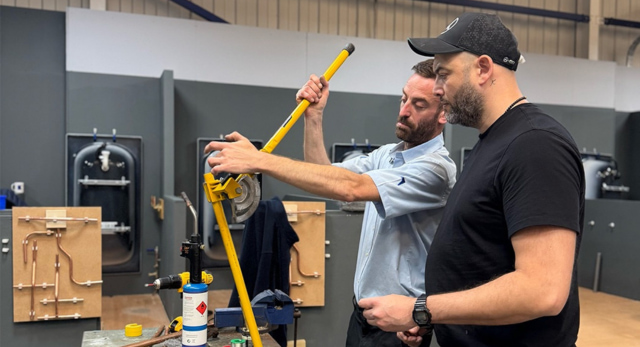

Householders can tell if their installer is properly trained and qualified by checking their registration with the right industry schemes, asking to see proof of qualifications and insurance, and looking for clear, written paperwork such as certificates and guarantees for the work carried out. Doing these checks before work starts reduces risk, keeps you on the right side of Building Regulations, and nudges your project towards installers who take training and competence seriously.
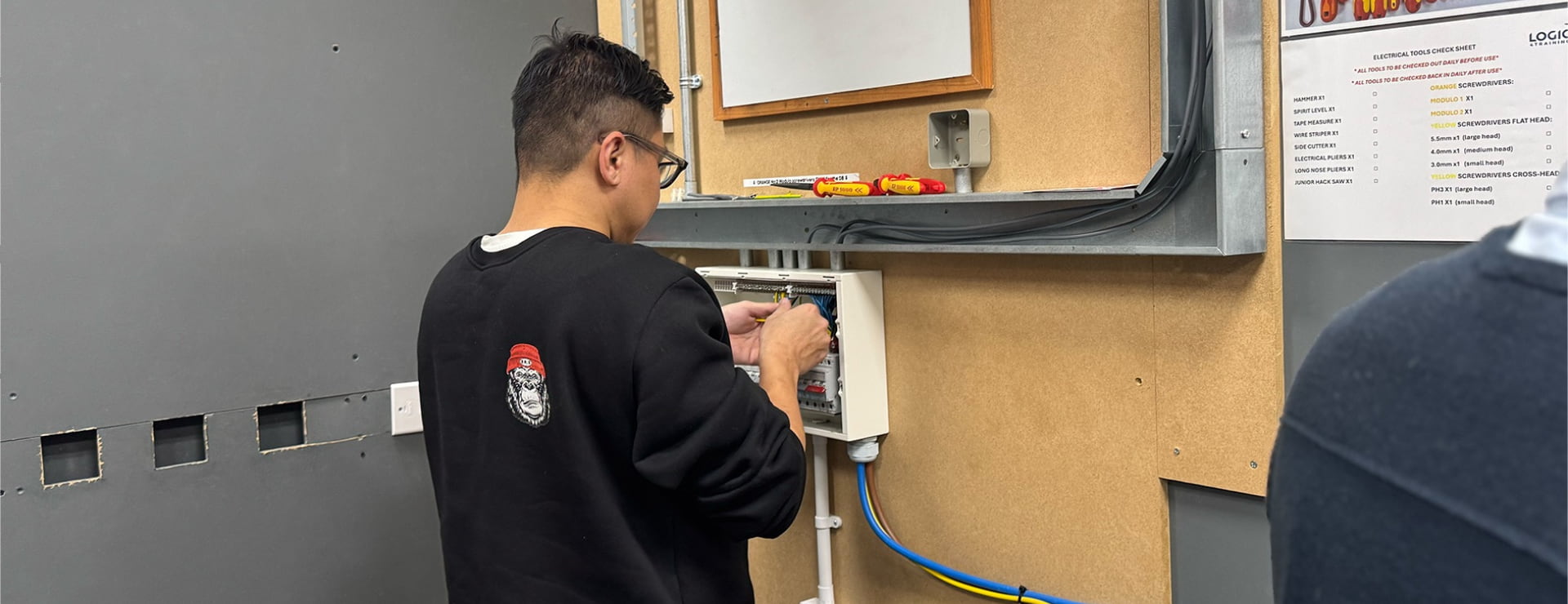
The key checks every householder should make
Householders do not need to become technical experts to make good choices. A few simple checks go a long way.
1. Check scheme registration
For most domestic work, a properly trained installer will be registered with one or more official schemes. Ask for their registration number and check it online.
- Plumbing (for example, unvented hot water cylinders and certain hot and cold water systems): Look for membership of recognised plumbing competent person schemes, such as those operated by JIB.
- Gas work (boilers, cookers, fires): Look them up on the official Gas Safe Register using their licence number or business name.
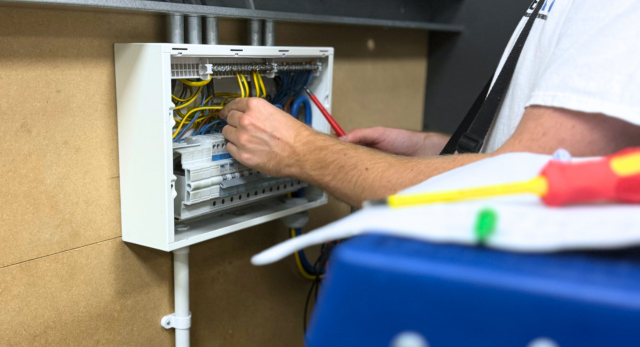
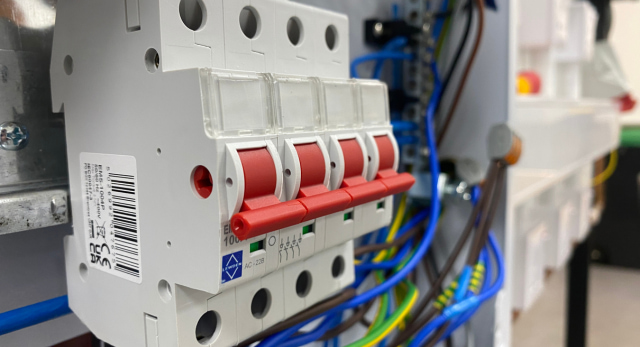
- Electrical work in homes (particularly new circuits, consumer units, bathrooms and kitchens): Check membership of schemes such as NICEIC, NAPIT, or other bodies listed in the government’s competent person scheme guidance.
- Oil, solid fuel and biomass: Look for OFTEC or HETAS registration and verify it via their websites.
- Heat pumps, solar PV and battery storage: Favour installers accredited under the Microgeneration Certification Scheme (MCS).
A genuine installer will not mind you taking the time to check their details, and many will encourage it.
2. Ask about formal qualifications
Registration is important, but it sits on top of real qualifications and experience. When you first speak to an installer, ask:
- What trade qualifications they hold (e.g. Diplomas, NVQ, Level 3 qualifications from a reputable awarding body such as City & Guilds or LCL Awards in plumbing, heating or electrical installation).
- Whether they have up‑to‑date certifications for current regulations, such as the 18th Edition Wiring Regulations for electricians or ACS for gas engineers.
- If they have any specialist low‑carbon or renewables training (for example, dedicated heat pump or solar PV qualifications).
Many practising installers are trained on structured courses like our gas training packages, domestic electrical installer courses
and new‑entrant electrician pathways, which combine theory with hands‑on assessment.
3. Confirm insurance and guarantees
Any reputable installer should carry public liability insurance and, where appropriate, professional indemnity cover. Before work starts, ask for:
- Confirmation of their insurance, including provider and cover level.
- Written guarantees for workmanship and details of any manufacturer’s warranties, including what must be done to keep them valid.
Scheme members will often provide additional protection, such as work quality guarantees or deposit protection.
4. Look for clear, written paperwork
Good installers leave a paper (or digital) trail that proves what has been done and that it complies with regulations. Depending on the job, this may include:
- Plumbing: Building Regulations compliance certificates or completion certificates for notifiable work such as unvented hot water systems and certain hot and cold water installations, often issued through a recognised plumbing competent person scheme or local Building Control.
- Gas: Gas Safe certificate for certain types of work and boiler benchmarks completed on installation.
- Electrical: Electrical Installation Certificate or Minor Works Certificate, and where applicable a Building Regulations compliance certificate issued via their scheme.
- Heat pumps, solar PV and battery storage: MCS certificate and commissioning documentation, often essential for incentives and warranties.
If the installer is vague about paperwork or says “you don’t need that”, treat it as a red flag.
Questions to ask before you hire
Having a short list of installers is one thing. Choosing between them is another. A structured set of questions helps you compare like‑for‑like and spot who really knows their stuff.
Essential questions
When you get a quote, ask:
- “Are you registered with Gas Safe/NICEIC/NAPIT/OFTEC etc, and can you give me your registration number?”
- “What qualifications and recent training do you have that relate to this specific job?”
- “Will you be doing the work yourself, or will others be on site? If others, are they qualified and supervised?”
- “What paperwork will I receive when the job is done?”
- “What guarantees do you offer on your workmanship?”
For heat pumps, solar and other renewables, also ask:
- “Are you MCS certified for this technology?”
- “How many systems like this have you installed in the last 12-24 months?”
These questions are easy to ask and do not require technical knowledge, but the way an installer answers tells you a lot about their competence and attitude.
Signs you are dealing with a well‑trained installer
Trained, experienced installers tend to:
- Explain options and limitations clearly, including what is and is not possible in your property.
- Refer to current regulations and standards rather than “how we’ve always done it”.
- Provide detailed written quotes, breaking down labour, materials and any optional extras.
- Encourage you to check their reviews, scheme registration and previous work.
These behaviours are a strong practical sign that they invest in training and take compliance seriously.
Using online tools and official guidance
Householders can cross‑check what installers tell them using simple online tools and official guidance pages.
Useful resources include:
- The government’s page on competent person schemes for a full list of recognised schemes and the types of work they cover.
- Local council pages (for example, guidance from councils like Burnley and Plymouth) explaining how to find a competent installer and when work must be notified under Building Regulations.
- GOV.UK guidance on how to find a heat pump installer and what qualifications and accreditations to look for.
These resources reinforce what a good installer should already be telling you, and they help filter out anyone who is not up to standard.
Why installer competence matters
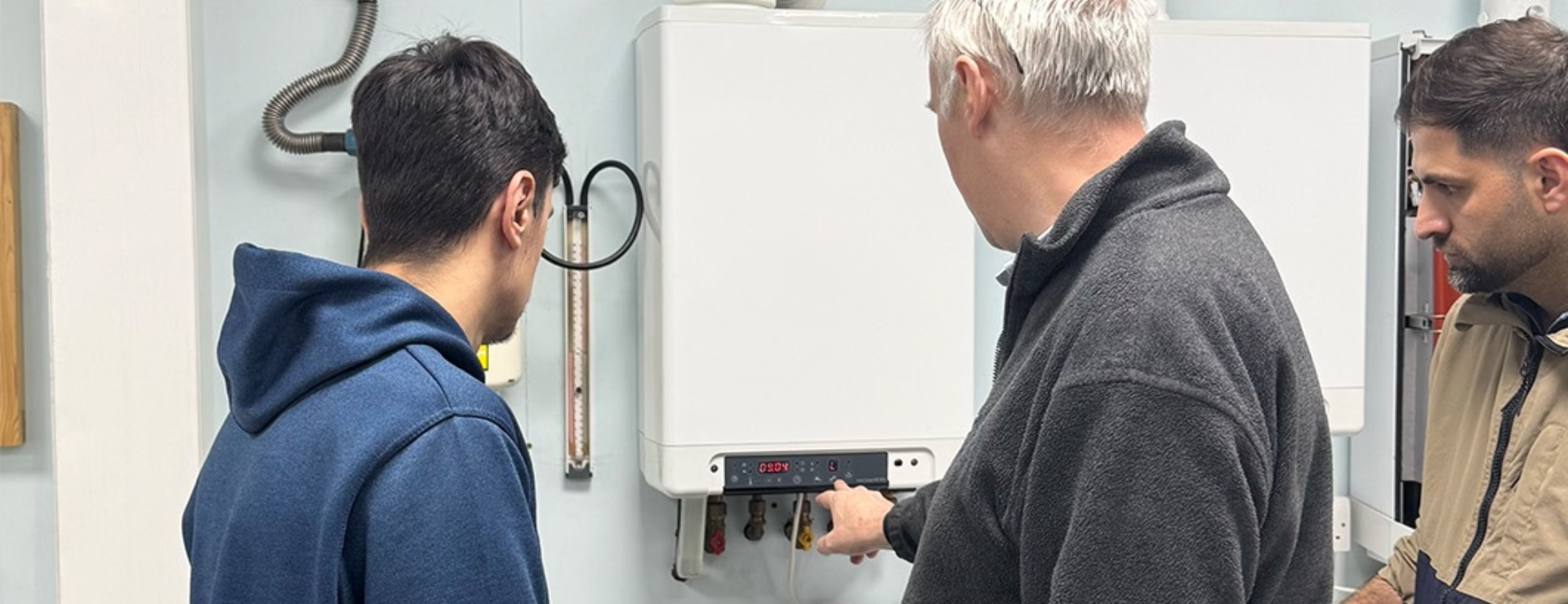
Using a properly trained, qualified installer is not just a nice‑to‑have; it directly impacts how safe, efficient and future‑proof your home is, as well as how straightforward things are when you come to sell. In core areas like gas, electrical work, plumbing, renewables and low‑carbon heating, much of the work is covered by Building Regulations and should either be notified to Building Control or self‑certified by a registered “competent person”, which is only possible when the installer meets strict competency standards.
Safety and legal protection
When higher‑risk work is done by someone who is properly trained and registered, the safety net is much stronger. For example, competent person schemes cover work which, if done badly, could lead to fire, electric shock, gas leaks, carbon monoxide poisoning or water damage. Registered installers can self‑certify that their work complies with Building Regulations and must meet ongoing technical and inspection requirements to stay on the scheme.
For the householder, this means:
- The installer manages Building Control notifications on your behalf and issues a compliance certificate within a set time (often within eight weeks).
- That certificate is recognised by local authorities, insurers and solicitors as evidence that the job was done to the correct standard, reducing the risk of enforcement action or costly remedial work later.
Performance, running costs and comfort
Competent installers do more than “make it work” – they design and commission systems to perform efficiently over the long term. For heating systems, this includes choosing the right boiler or heat pump size, setting flow temperatures correctly and balancing radiators, which can significantly cut energy use and improve comfort. For solar PV and battery systems, trained installers understand how to match array size, inverter capacity and controls to the way your household actually uses electricity, helping you get more value from self‑generated power.
This attention to detail results in:
- Lower energy bills and more stable room temperatures because systems are set up properly, not just “thrown in”.
- Fewer breakdowns and call‑backs, because components are installed to manufacturer instructions and relevant standards.
Warranties, incentives and resale value
Manufacturers and government schemes increasingly tie their support to installer competence. For many renewable technologies, you will only be eligible for key incentives or export tariffs if both the products and the installer are certified under schemes such as MCS. MCS certification is widely described as a gateway requirement for grants and subsidies for solar PV and heat pumps, and it also reassures lenders and surveyors when assessing a property.
Certificates issued through competent person schemes and MCS do more than sit in a drawer:
- They appear in local authority or solicitors’ searches, helping prove that work such as rewires, replacement boilers or new heating systems was properly approved when you sell your home.
- They support product and workmanship warranties by showing that installations met the standards required by manufacturers and insurers at the time of fitting.
We work with thousands of installers each year across gas, electrical, plumbing and renewables, so sees first‑hand how good training and assessment translate into safer, more reliable work in people’s homes.
Red flags: when to walk away
Red flags are not just minor niggles; they are early warning signs that the installer may be unqualified, uninsured, or simply unreliable, and that the work could end up unsafe, non‑compliant or far more expensive than it first appears. If you spot more than one of these issues, it is usually a sign to slow everything down, get extra quotes and be prepared to walk away.
Common red flags include:
- No evidence of scheme registration, or vague answers when asked for registration numbers. Reputable installers are used to customers double‑checking Gas Safe, NICEIC, NAPIT, OFTEC, MCS or plumbing schemes online and will usually give you their details in writing so you can verify them yourself.
- Reluctance to discuss qualifications, or statements that training is “not needed anymore”. Competent tradespeople understand that regulations and technology change, so they invest in regular upskilling and are happy to talk about recent courses or assessments they have completed.
- Quotes that are far lower than others with no clear explanation of what has been removed or downgraded. Trading Standards and consumer bodies repeatedly warn that “too good to be true” prices often mean corners will be cut on materials, safety checks or aftercare, leaving you with poor‑quality or even dangerous work.
- Pressure to pay large cash deposits without receipts or written terms. Rogue traders commonly push for high upfront payments, sometimes offering a “today only” discount, then fail to complete the job or disappear altogether; reputable installers work to clear payment schedules and provide written contracts or job sheets.
- Refusal to specify what paperwork will be issued at the end of the job. Any legitimate installer should be able to tell you in advance which certificates, warranties and compliance documents you will receive and roughly when; if they brush this off or say “you won’t need anything”, take it as a serious warning sign.
If in doubt, pause, seek a second opinion, and consider returning to better‑qualified installers, even if their quote is slightly higher; paying a fair rate for properly certified work is almost always cheaper and less stressful than trying to fix a rushed or unsafe job later on.
How choosing trained installers shapes the market
Every time a householder chooses a properly trained, qualified installer, it sends a clear signal to the market. Over time, this:
- Rewards businesses that invest in ongoing training and scheme registration.
- Encourages more installers to upskill into areas like heat pumps, solar PV and smart controls.
- Raises the general standard of work across the industry, reducing unsafe and non‑compliant installations.
Logic4training sees many experienced tradespeople returning every few years to update their skills, renew qualifications and add new technologies to their portfolio. When householders consistently ask the right questions and favour these trained professionals, it nudges the whole sector in a safer, more sustainable direction.
How Logic4training supports properly trained installers
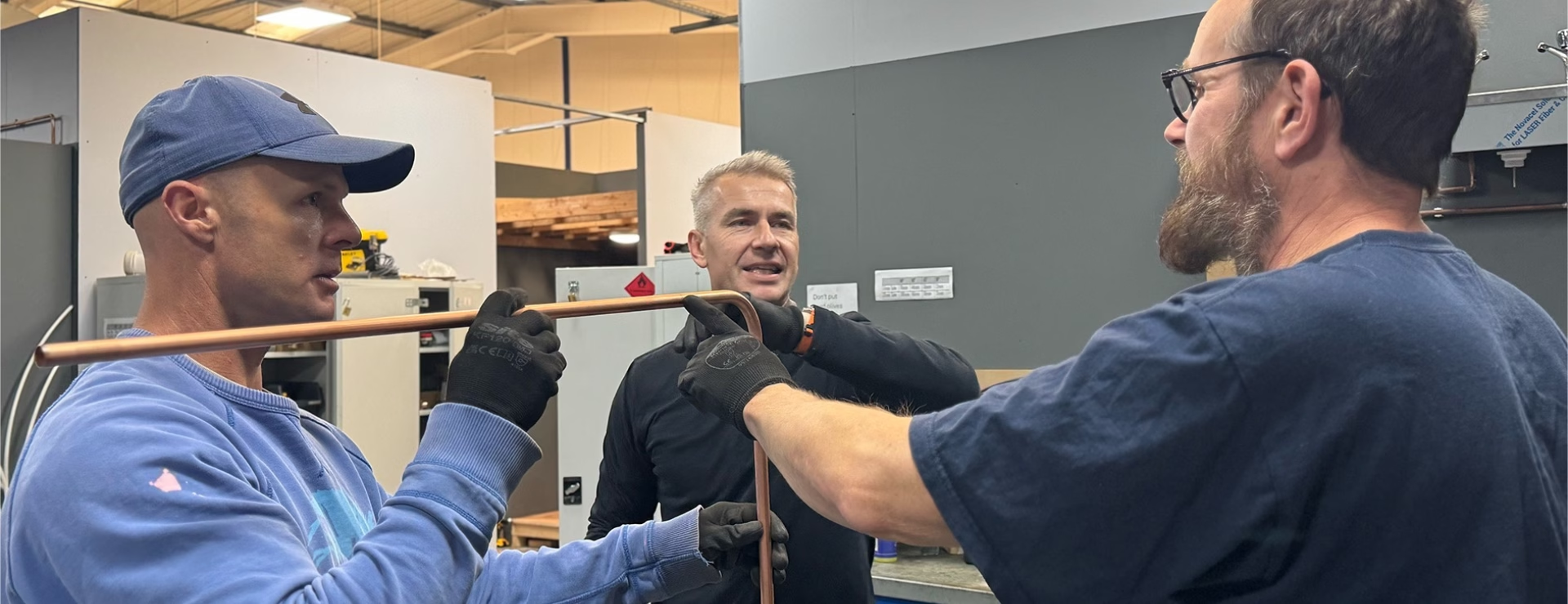
Logic4training sits at the heart of the building services industry, training everyone from new entrants to experienced engineers upskilling into low‑carbon technologies. This gives unique visibility of what “properly trained” actually looks like in practice.
Broad course portfolio across trades
Logic4training offers:
- Plumbing training, from beginner routes through to NVQs and short courses such as unvented hot water and water regulations, so installers can work safely and compliantly on hot and cold water systems.
- Gas training and ACS assessments for domestic, commercial and LPG work, covering initial qualification and ongoing re‑assessment.
- Domestic electrical installer and Part P courses plus beginner electrician pathways aligned with the latest Wiring Regulations.
- Property maintenance and site skills training so installers understand safe working, making good and basic multi‑trade tasks.
- A growing portfolio of renewables and heat pump courses that prepare installers for the transition to low‑carbon heating and power.
- Specialist F‑Gas and refrigeration qualifications, including Level 3 F‑Gas training that meets legal requirements for working with fluorinated greenhouse gases in refrigeration, air conditioning and heat pump systems.
Courses mix classroom learning with hands‑on practical assessment, so successful candidates have demonstrated their skills under exam conditions, not just by watching a video or reading a manual.
Partnerships and real‑world experience
Logic4training works with manufacturers and specialist partners, such as heat pump scheme providers Alto Energy and Grant UK, to give installers access to live systems and real‑home installations as part of their development. Through the schemes described in our article on
heat pump partnerships, some installers can even fit a heat pump in their own property with full design and commissioning support.
This combination of structured training, independent assessment and real‑world installation experience is exactly what householders should look for when choosing an installer.
Practical next steps for householders
To put this into action on your next project:
- Use official registers (Gas Safe, NICEIC, NAPIT, OFTEC, MCS) to build a shortlist of installers who are properly registered for the work you need.
- Ask each installer the same core questions about registration, qualifications, experience and paperwork, and compare their answers side by side.
By taking these simple steps, householders can quickly tell whether an installer is properly trained and qualified, protect their home and budget, and help grow a market that rewards competence, not corner‑cutting.
FAQs
Why does it matter if my installer is part of a competent person scheme?
Competent person schemes allow registered installers to self‑certify that their work complies with Building Regulations, saving you from having to apply to Building Control yourself. This means you should receive a compliance certificate after notifiable work, which is often needed by insurers, mortgage lenders and solicitors when you sell your home.
What paperwork should I expect once the job is finished?
You should always receive written paperwork showing what was installed and that it meets the right standards. Depending on the job, this may include a Gas Safe certificate, an Electrical Installation Certificate, MCS certificate or a Building Regulations completion or compliance certificate for notifiable plumbing and heating work.
How do I know if a quote is too cheap to be true?
If one quote is much lower than the others and the installer cannot clearly explain why, treat it as a warning sign. Very low prices can indicate corner‑cutting on materials, safety checks or aftercare, and may mean the installer is not budgeting for proper testing, commissioning or certification.
What questions should I always ask before hiring an installer?
Useful questions include:
- “What schemes are you registered with, and what is your registration number?”
- “What qualifications and recent training do you have for this type of work?”
- “What certificates and paperwork will I get when the job is complete?”
- “Can you show recent examples or reviews of similar jobs?”
The way they answer tells you a lot about their competence and professionalism.
How can I check an installer’s registration myself?
Most schemes have online search tools where you can check a name, business or number, for example the Gas Safe “check an engineer” tool, NICEIC and NAPIT “find a contractor” pages and the MCS installer search. Many local authorities also link to the national Competent Person Register from their Building Control pages.
What are the biggest red flags when choosing a tradesperson?
Key red flags include no evidence of scheme registration, reluctance to discuss qualifications, pressure for large cash deposits, and refusal to confirm what paperwork you will receive. If you see more than one of these, it is sensible to pause, get other quotes and consider walking away.
How does using a trained installer affect my home’s resale value?
Work that is not properly certified can cause delays, extra surveys or even remedial work when you come to sell. Certificates from competent person schemes and MCS installations provide clear evidence that key systems were installed correctly and to the required standards.
Can Logic4training help me indirectly as a householder?
Logic4training does not send engineers to your home, but it trains and assesses many of the installers you might hire in gas, plumbing, electrics, renewables and F‑Gas. By choosing tradespeople who hold Logic4training‑linked qualifications or who follow the standards described in our guides, you are more likely to get safe, compliant and well‑designed work.


 Your latest offers & alerts