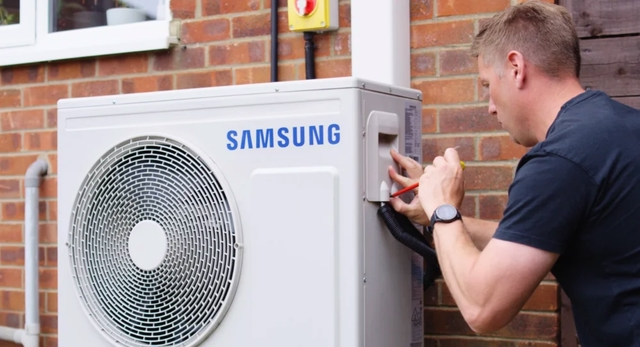

Plumbing can lead to a career in renewables and heat pumps by giving you the core skills and real‑world heating experience that renewables training then builds on, turning a traditional plumbing role into a modern renewable heating career.
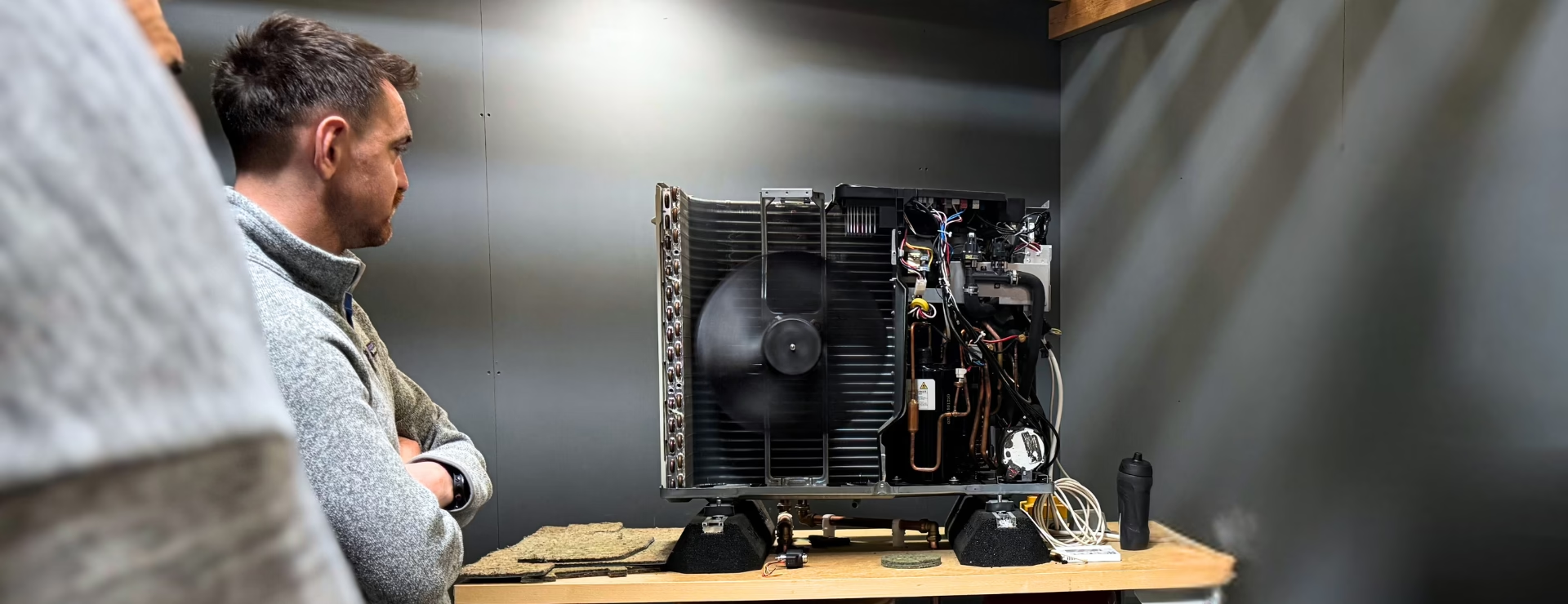
TL;DR
- Plumbers are ideally placed to move into heat pump installation and renewable heating thanks to existing skills with pipework, hot water and heating systems.
- The main gap is in low‑temperature system design, heat loss calculations and understanding renewable technology principles, not plumbing itself.
- Recognised heat pump training (usually Level 3) builds on plumbing and heating experience and is a key requirement for professional installation and MCS‑linked work.
- Renewable heating opens doors to higher‑value projects, emerging technologies and specialist roles, from installer to designer, consultant and business owner.
- Upskilling now, before demand peaks, gives plumbers a strong competitive advantage in the future UK heating market.
Introduction
Plumbing has always been a solid trade with stable work, clear progression and plenty of demand. But the heating landscape is changing, and with it, some of the most interesting opportunities for plumbers are now in renewable technologies such as heat pumps.
Many plumbers still see career progression as moving into gas, becoming self‑employed or starting a small business. Those routes are still valid, but there is now a parallel path linked to the UK’s Net Zero ambitions, the drive to decarbonise homes and government support for low‑carbon heating.
The core idea of this article is simple: the future of heating will not replace plumbing, it will build on it. If you already understand water‑based heating systems, hot water cylinders and pipework, you are part‑way towards a renewable heating career. The rest can be learned through targeted training and experience with systems like air source and ground source heat pumps.
If you are still at the start of your journey, you can find a clear entry route into the trade in Logic4training’s guide on how to become a plumber.
Why Renewable Heating Is Creating New Opportunities for Plumbers
The UK has committed to reaching Net Zero by 2050, which requires big cuts in emissions from homes and buildings, especially space and water heating.
This is driving a move away from traditional fossil fuel systems towards electric and low‑carbon options such as heat pumps, backed by schemes like the Boiler Upgrade Scheme and the Heat Training Grant for installers.
At the same time, there is a recognised shortage of qualified installers who understand both heating systems and the new technology. Government guidance assumes that most heat pump trainees already have plumbing or heating qualifications or equivalent experience with wet central heating systems.
The Shift Away From Traditional Heating Systems
Across the UK, more homes are starting to look at alternatives to the classic gas boiler. In many cases, this means upgrading insulation, fitting low‑temperature emitters and installing heat pumps, sometimes alongside existing boilers in hybrid setups.
Policy guidance for the government’s Heat Training Grant highlights low‑temperature heating system design and sizing as essential skills for heat pump installers, encouraging them to focus on whole‑house efficiency rather than simple boiler swaps.
Plumbers with experience of radiators, underfloor heating and cylinders are central to this shift. They already understand the water side of the system, and they now need to connect that knowledge to new low‑carbon heat sources.
Why Heat Pumps Are Central to the Future of Home Heating
Heat pumps are at the heart of the UK’s plan for cleaner home heating. Air source heat pumps draw heat from the outside air, while ground source heat pumps use the ground as a stable heat source.
Both can deliver efficient, low‑carbon heating when paired with suitable emitters and well‑designed low‑temperature systems. They are a major focus of current training and certification frameworks, including Level 3 heat pump qualifications set out in government guidance as meeting minimum technical competencies.
Long‑term, heat pumps are expected to grow in market share as more homes seek to cut running costs and carbon emissions. For plumbers, this means increasing demand for professionals who can design, install and maintain water‑based heat pump systems in real properties.
Why Plumbers Already Have the Foundations for Renewable Heating
Plumbers are already much closer to renewable heating than many realise. Most heat pump and low‑carbon systems still rely on familiar components such as pipework, cylinders, radiators and controls, which means existing plumbing and heating skills form a strong foundation to build a renewable heating career on.
Plumbing Skills That Transfer Directly Into Heat Pumps
Most of the day‑to‑day skills needed for heat pump installation are already familiar to experienced plumbers and heating engineers. This includes pipework installation, water circulation, radiator and underfloor systems and domestic hot water storage.
Heat pump courses from providers like ourselves are explicitly designed for existing heating installers, recognising that they already understand how central heating and hot water systems work in practice.
If you are comfortable with system balancing, commissioning and fault‑finding on conventional systems, you already possess a large part of the practical skillset required for renewable heating. Training then adds the technology‑specific knowledge on top.
Experience With Heating Systems Creates a Major Advantage
Plumbers who have worked on radiator circuits, underfloor heating, hot water cylinders and controls have a major advantage when moving into heat pumps. All of these components remain central in low‑carbon systems. What changes is the way they are designed and operated.
Modern heat pump installations need competent design of emitters, pipe runs, pump sizing and integration with cylinders and smart controls. This is familiar territory for many plumbers, and it really comes down to the performance requirements and the differing temperature regimes.
Installers who already think in terms of system performance, not just the appliance, are well placed to adapt to whole‑house renewable solutions and integrated energy systems over time.
The Renewable Heating Skills Gap Is Smaller Than Many Plumbers Think
For most plumbers, the biggest learning curve in renewables is not the hands‑on plumbing. It is understanding:
- Heat loss calculations
- Low‑temperature system design
- Renewable technology principles and performance
Government guidance for the Heat Training Grant, for example, expects trainees to already hold Level 2 or 3 plumbing or heating qualifications and then add recognised heat pump training plus courses in low‑temperature heating and hot water systems.
In other words, the skills gap in the renewable heating sector is smaller and more manageable than that in the building services sector as a whole. You are building on an existing base of skills, not starting from scratch.
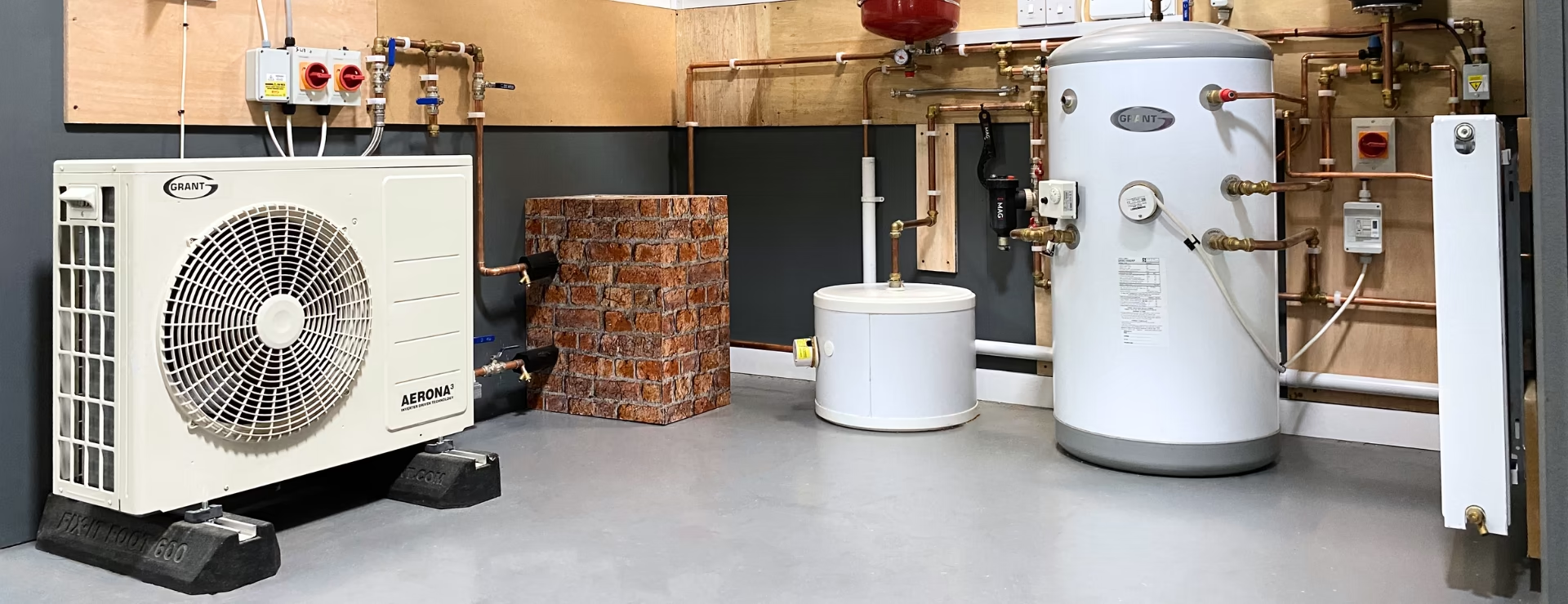
From Plumber to Heat Pump Installer: What Changes?
Moving from general plumbing into heat pump installation is less about learning a completely new trade and more about shifting how you design and think about heating systems. As we have already mentioned, you still work with familiar components like pipework, cylinders and emitters, but you add new knowledge around low‑temperature operation, system design and renewable technology so you can deliver efficient, whole‑house heat pump installations.
How Heat Pumps Differ From Boilers
The biggest technical difference between traditional boilers and heat pumps is operating temperature. Heat pumps work best with lower flow temperatures, which means larger or more efficient heat emitters and greater attention to insulation and building fabric.
System efficiency becomes central. Correct sizing, careful pipework design and suitable controls all help ensure that the system delivers comfortable heating without excessive energy use.
Property suitability also matters more. Installers need to assess whether a building can work well with low‑temperature emitters or whether upgrades are needed before installation. This is a different mindset than a straight boiler replacement.
Why System Design Becomes More Important
For renewable heating, system design is crucial. Installers must carry out accurate heat loss calculations, assess the property and size the heat pump and emitters correctly. This ensures efficiency and avoids under‑ or over‑specification.
Dedicated low‑temperature heating qualifications are recognised in government guidance as suitable training for this design work.
Plumbers who upskill in this area gain a strong advantage, as they can design systems that perform well in the real world and meet the technical requirements of schemes like MCS and the Boiler Upgrade Scheme.
Understanding Whole‑House Heating Performance
Renewable heating requires installers to look beyond the appliance. Insulation, building fabric, window performance and air‑tightness all affect how well a heat pump system works.
Customers increasingly expect advice on improving efficiency across the home, not just replacing a boiler. Plumbers who can talk through insulation, emitter upgrades and smart controls while designing heating systems become trusted advisers rather than simple installers.
This whole‑house thinking also opens doors to future technologies like thermal energy storage, integrated home energy systems and more advanced controls, which rely on a sound understanding of how the building behaves.
What Training Do Plumbers Need to Move Into Renewables?
Moving into renewables is not about abandoning plumbing. It is about adding the right specialist training on top of what you already know.
Most plumbers will progress by combining core plumbing and heating qualifications, such as a Level 2 Plumbing NVQ and Gas CCN1, with recognised heat pump and low‑temperature heating qualifications, turning a good plumber into a competent renewable heating installer.
Building on Existing Plumbing Knowledge
Plumbing remains the foundation for renewable heating. If you are at the beginning of your journey, starting with a recognised plumbing qualification is essential. Plumbing and heating courses provide structured routes from new entrant to competent installer, covering domestic plumbing, heating and gas where required.
These programmes are recognised across the industry and are designed to progress learners towards real‑world work and further specialisation, including renewables.
Once you have a solid base in plumbing and heating, you can add targeted renewable heating and heat pump training to broaden your scope and move into higher‑value work.
Heat Pump Training
Heat pump training is the key step for plumbers moving into renewable heating. The LCL Awards Level 3 Installation & Maintenance of Air Source Heat Pump Systems, aimed at experienced heating installers who want to fit heat pumps in domestic and small commercial properties.
This qualification is recognised by the Microgeneration Certification Scheme (MCS) as part of the competence criteria for professional heat pump installers.
You can find full details and booking options on our Air Source Heat Pump Training Course.
Additional Qualifications That Support Career Progression
Beyond heat pump‑specific courses, several other qualifications support progression into renewables:
- Unvented hot water
- Water Regulations / Water Byelaws
- Energy efficiency
- Low‑temperature heating and hot water systems
Government lists of recognised heat pump training emphasise that trainees should already understand vented and unvented hot water storage and Water Regulations, and must be competent in sizing and selecting low‑temperature systems.
Other Renewable Heating Opportunities for Plumbers
Solar Thermal Systems
Solar thermal systems use roof‑mounted collectors to generate domestic hot water. They often integrate with existing cylinders and conventional boilers or heat pumps.
Plumbers are central to installing and maintaining these systems, as they involve pipework, pumps, cylinders and safety controls that sit within familiar territory.
Hybrid Heating Systems
Hybrid systems combine a heat pump with a traditional boiler, allowing the property to switch between heat sources based on temperature, cost or demand.
This creates strong retrofit opportunities, particularly in homes where full conversion to low‑temperature emitters is not yet practical. Plumbers with both gas and heat pump skills are well placed to deliver and maintain these systems.
Over time, more low‑carbon technologies are likely to reach mainstream use, including thermal storage, more advanced integrated home energy systems and combinations of renewables working together.
Plumbers with a strong grounding in renewable heating will be well placed to work on these emerging systems as they become more common. Early adoption of renewables builds a foundation for future specialist roles.
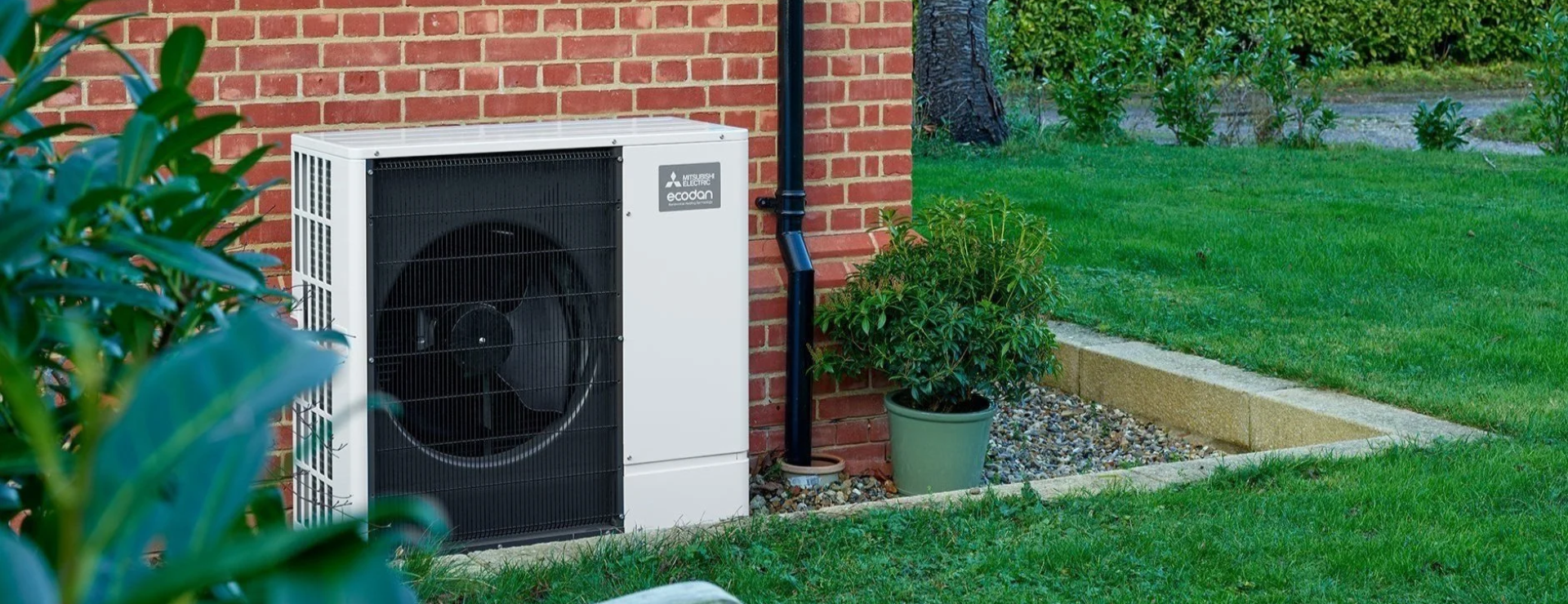
How Renewable Heating Can Increase Earnings and Career Opportunities
Renewable heating is not only good for the planet, but it can also be a good long‑term career as well. As demand for heat pumps and low‑carbon systems grows, installers with the right mix of plumbing experience and renewable qualifications are seeing access to higher‑value projects, increased day rates and more routes into specialist, consultancy and business‑owner roles than traditional boiler work alone can offer.
Access to High‑Value Projects
Renewable heating projects often involve higher levels of design, specialist equipment and more complex installation work. This can translate into higher per‑job value and more varied work.
Installers with recognised heat pump qualifications and low‑temperature system design skills are needed for new‑build developments, funded retrofit schemes and projects where performance is formally monitored.
Growing Demand and Skills Shortages
Industry sources consistently highlight installer shortages in the heat pump sector. The UK Government has introduced training support, such as the Heat Training Grant, to boost numbers, recognising that more qualified installers are needed to meet decarbonisation goals.
Plumbers who move early into renewables can benefit from strong demand, less competition and the chance to become recognised specialists in their area.
Opportunities for Self‑Employed Plumbers
For self‑employed plumbers and small businesses, renewable heating offers new services and larger project scopes. Adding heat pumps or solar thermal allows you to expand from reactive repairs into planned installations and consultancy.
This can differentiate your business, attract customers specifically seeking low‑carbon options and position you as a go‑to specialist for modern heating solutions.
A Realistic Career Progression Path From Plumbing to Renewables
To make things clearer, here is a simple staged path from a new entrant plumber to a renewable heating specialist. Timings are approximate and will vary depending on your starting point and how quickly you train.
Should you want to speak to our team about starting or taking the next step in this process, reach out to our team by clicking the button below:
Is Moving Into Renewables the Right Next Step for You?
If you are unsure where to start, this simple decision table may help you match your goals to the next step.
Future‑Proofing Your Career in the Heating Industry
Renewable skills will become increasingly valuable as the industry’s direction is clear: lower‑carbon heating, better insulation, smarter controls and more efficient systems.
As technology adoption grows and customer demand shifts towards greener options, installers who understand renewable heating will become a core part of the workforce needed to deliver these changes.
Why Plumbers Should Upskill Before Demand Peaks
Upskilling early has several advantages. You can:
- Learn at a manageable pace
- Build experience while the market grows
- Establish yourself locally as a renewable specialist
With government support and recognised training frameworks already in place, there is a strong case for investing in renewable skills now rather than waiting.
Conclusion
Plumbing remains one of the strongest foundations for a career in renewable heating. Heat pumps and other low‑carbon technologies do not replace plumbing skills; they increase their value by making them central to the future of home heating.
As the heating industry evolves, plumbers who understand renewable systems, whole‑house performance and low‑temperature design will be well positioned for long‑term opportunities, higher‑value work and specialist roles.
Investing in renewable heating knowledge today, through structured training and real‑world experience, can help create more options tomorrow, whether you want to stay hands‑on, build a business or move into design and consultancy.
FAQs
Can a plumber become a heat pump installer?
Plumbing and heating engineers are among the most common entrants into heat pump installation because they already work with wet central heating systems, cylinders, emitters and controls, giving them the core practical skills that heat pump work relies on.
Most recognised heat pump courses are designed for experienced heating installers who already understand wet central heating systems.
You will need to add specialist training and, if you want to work on funded or certified projects, gain a recognised Level 3 heat pump qualification linked to schemes like MCS.
What qualifications do I need to install heat pumps?
You will typically need at least a Level 2 NVQ qualification in plumbing or hold the ACS CCN1 gas qualification, plus recognised Level 3 heat pump training that meets the minimum technical competencies for installation.
Government guidance lists Level 3 awards in the installation and maintenance of heat pump systems from awarding bodies such as LCL Awards and others as suitable qualifications.
You will also usually need competence in low‑temperature heating design, unvented hot water and Water Regulations, which can be gained through dedicated courses.
How long does it take to transition from plumbing to heat pump installation?
The transition time depends on your starting point. If you already have several years’ experience with wet central heating systems, the learning curve is shorter and focused on the technology and design rather than basic plumbing.
Heat pump training courses themselves are relatively compact, often delivered over several days, with additional time needed to build experience on real installations.
Plumbers can often move into supervised heat pump work soon after training and then progress to leading installations as confidence and competence grow.
Is heat pump installation a good career in the UK?
Heat pump installation is a strong career choice in the UK due to clear industry growth, government backing and recognised installer shortages.
As more households seek low‑carbon heating and schemes such as the Boiler Upgrade Scheme support adoption, demand for qualified heat pump installers is expected to remain high.
This creates long‑term opportunities for plumbers who upskill, from specialist installation roles to design, consultancy and business ownership.
How can plumbers future‑proof their careers?
Plumbers can future‑proof their careers by investing in renewable heating training, keeping up with low‑carbon technologies and expanding their service offerings to include heat pumps, solar thermal, hybrid systems and smart controls.
Continuous learning, especially around low‑temperature system design, whole‑house performance and digital controls, will help ensure they remain relevant as the heating industry changes.
Working towards recognised qualifications with trusted providers such as Logic4training is a practical way to demonstrate competence and build credibility in this growing field.


 Your latest offers & alerts