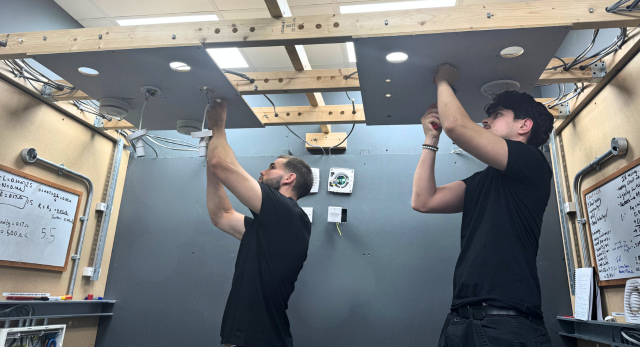

A Domestic Electrical Installer installs, repairs, and maintains electrical systems in domestic dwellings, operating in accordance with regulations such as Part P of the Building Regulations as well as the 18th Edition Wiring Regulations. Unlike fully qualified electricians who may work in commercial or industrial settings, Domestic Electrical Installers are focused exclusively on domestic properties. Their scope covers low or extra-low voltage installations associated with homes and specialises in the installation, maintenance, and testing of electrical systems.
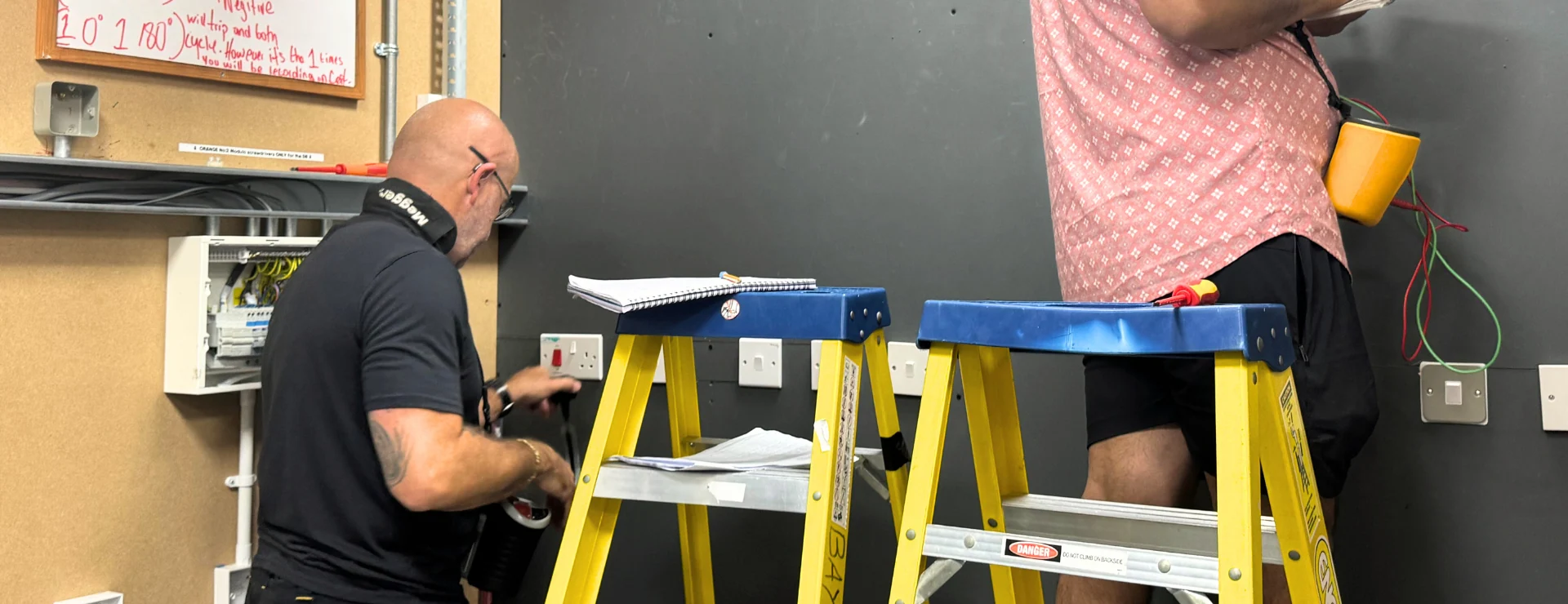
Day-to-Day Duties
The scope of work for a domestic electrical installer covers a wide range of low and extra-low-voltage tasks typically associated with domestic properties such as houses, flats, and small residential buildings. It includes design, installation, inspection, testing, and certification of electrical systems to ensure compliance with Part P of the Building Regulations and the Wiring Regulations BS 7671.
A Domestic Electric Installer would usually carry out the following work:
- Installing outlets and switches: This covers the installation of electrical sockets and switches, ensuring that all wiring and earthing are completed safely and positioned according to current building and electrical standards.
- Adding or relocating power points: Whether fitting new outlets or moving existing ones, any work involving changes to household wiring must follow BS 7671 and adhere to safety requirements to prevent overloading or unsafe connections.
- Replacing or upgrading light fittings: Swapping an existing light fixture is usually considered minor work. However, where new cabling or faulty switch repairs are required, the installer must issue a minor electrical installation works certificate to confirm compliance.
- Repairing or replacing fuses and breakers: If a fuse or circuit breaker becomes faulty, minor electrical maintenance may involve replacing components or old wiring. Although small in scale, the work must be completed and tested by a competent person to maintain circuit integrity.
- Installing low-voltage systems: Fitting smoke alarms, doorbells, telephone points, or security lighting counts as minor electrical work. These tasks generally require routing and connecting low-voltage wiring and ensuring that all devices are safely powered and operational.
- Carrying out small repairs: Tasks such as fixing loose connections, replacing damaged wiring, or resolving issues with existing circuits fall under the scope of MEIWCs. Even minor fault-finding must comply with wiring regulations to maintain a safe domestic environment.
- Connecting fixed appliances: Installing built-in domestic appliances, such as ovens, hobs, or air conditioning units, may require direct wiring and earthing. While straightforward, these connections should be checked and verified by a qualified installer to ensure safety and compliance.
- Documentation and certification: Preparing quotes, risk assessments, installation records, and handover documentation for all electrical work undertaken.
After outlining the key jobs, it’s clear that domestic electrical installers play a role in ensuring homes remain safe, energy-efficient, and compliant with electrical standards.
Legal and Regulatory Framework
Domestic electrical installation work in the UK must comply with Part P of the Building Regulations, which ensures that all electrical work carried out in dwellings or their surrounding areas is safe, fit for purpose, and designed to prevent injury or fire. Introduced in 2005, Part P makes it a legal requirement that any electrical installation work undertaken in homes, whether new, altered, or extended, follows the Wiring Regulations BS 7671.
Failing to meet these standards can lead to serious consequences, including the local authority ordering the removal or rectification of unsafe work, fines for non‑compliance, or complications when selling a property due to the lack of proper certification. The responsibility ultimately lies with the homeowner or landlord, though contractors are expected to ensure compliance through proper procedures and certification.
Part P and the Competent Person Scheme (CPS)
Certain types of electrical work, categorised as notifiable, must be assessed and certified either by a registered electrician or through local authority Building Control. Examples of notifiable work include:
- Installing entirely new circuits
- Replacing or upgrading consumer units (fuse boxes)
- Electrical work in special locations:
- Bathrooms and shower rooms
- Swimming pools
- Horticultural Premises
- Outdoor installations
- Hot air saunas
- Caravans and caravan parks
To streamline this process, the Government‑approved Competent Person Scheme (CPS) was introduced. The CPS allows qualified electricians who meet strict technical and competency standards to self‑certify their work as compliant with the Building Regulations without notifying Building Control each time. These schemes are managed by organisations such as NICEIC and NAPIT, all accredited by the United Kingdom Accreditation Service (UKAS) to ensure safety, quality, and impartial oversight.
However, it is crucial to note that domestic electrical installers, those who complete short domestic training routes, are not eligible to join a Competent Person Scheme. This restriction exists because their qualification pathway does not fully meet the Electrotechnical Assessment Specification (EAS) requirements introduced in 2021. Consequently, domestic electrical installers cannot sign off their own electrical work or issue Building Regulations compliance certificates.
Instead, domestic electrical installers can:
- Carry out electrical work within domestic premises, subject to scope limitations.
- Issue Electrical Installation Certificates (EIC) or Minor Works Certificates for their own installations in accordance with BS 7671.
- Arrange for their work to be inspected and certified by a CPS‑registered electrician or Building Control when required for notifiable work.
This distinction ensures all critical electrical work, particularly notifiable installations, undergoes independent verification for safety and compliance.
Non-notifiable vs Notifiable Work
Under Part P of the Building Regulations, domestic electrical work is classified into two categories, non-notifiable and notifiable, depending on the level of risk involved and the location of the work being carried out. Understanding this distinction is crucial for anyone working in the domestic electrical sector, as it determines whether Building Control or a registered third party must be notified of the work.
Non-notifiable work (also known as minor work) includes low-risk electrical tasks that can be undertaken by a competent person without the need to inform Building Control. Examples include replacing socket outlets or switches, adding new points to existing circuits, fitting ceiling lights, and carrying out repairs or maintenance. Although these jobs don’t require external notification, they must still comply with the Wiring Regulations BS 7671, and an appropriate certificate, such as a minor electrical installation works certificate, should be provided to the homeowner.
Notifiable work, on the other hand, refers to higher-risk installations that may affect the safety of a property or its occupants. This includes work such as installing brand-new circuits, upgrading or replacing a consumer unit, or carrying out electrical installations in special locations. For example, bathrooms, kitchens, or outdoor areas where additional protection measures are required. Such work must be either inspected by Building Control or carried out by a CPS-registered electrician who can self-certify the work.
For domestic electrical installers, this distinction is especially important. While they are qualified to carry out a variety of domestic installation tasks, they cannot currently register with a CPS or self-certify notifiable work. Therefore, when performing any notifiable installation, they must arrange for the work to be inspected and signed off by a CPS-registered electrician or by the local Building Control body. This ensures full legal compliance and protects both the installer and the homeowner.
To learn more about electrical installation notifications, you can read our article here.
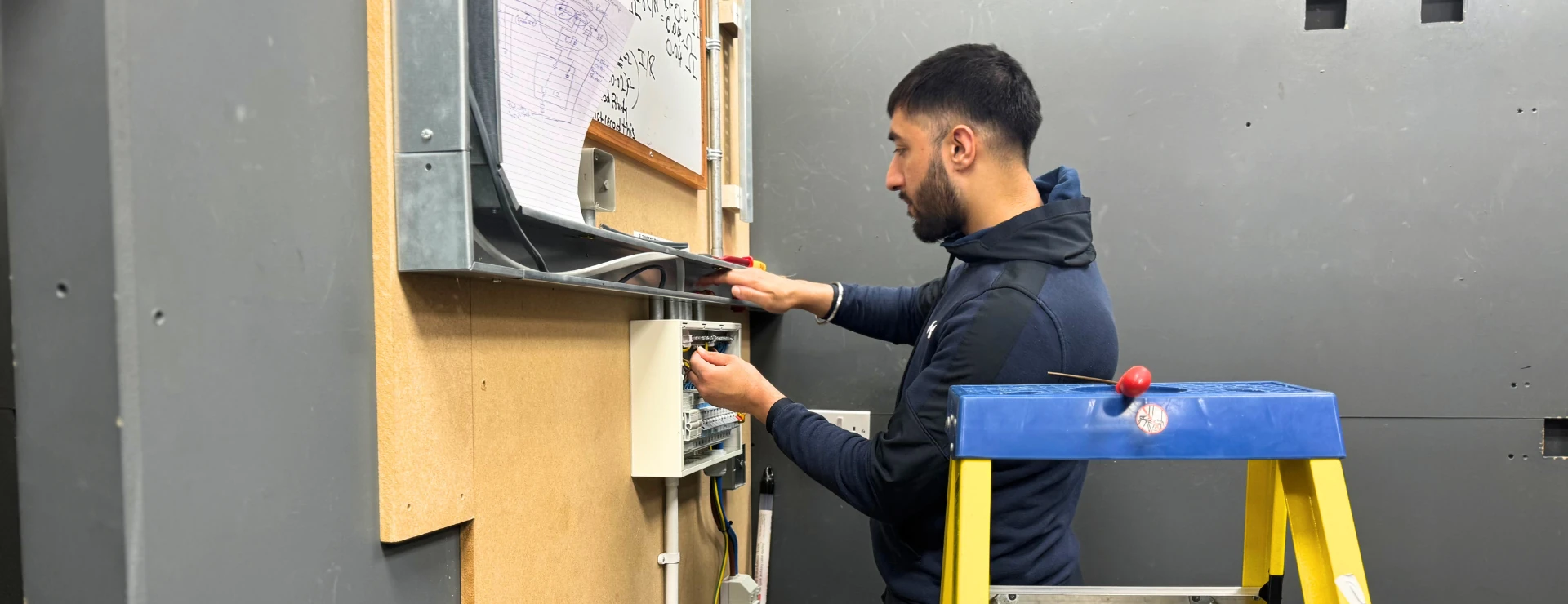
Training and Qualifications Required
Part P Building Regulations Course
The Part P Electrical Course introduces learners to the building regulations that govern domestic electrical work in England and Wales. Part P ensures that all household electrical installations meet legal safety standards and are fit for purpose.
This module explains how to identify notifiable and non-notifiable work, how to comply with the appropriate notification procedures, and how to issue relevant certification such as the Electrical Installation Certificate (EIC) or Minor Works Certificate (MWC). Learners also gain an understanding of the roles of Building Control and Competent Person Schemes (CPS), helping them navigate the regulatory side of domestic installation work confidently.
By the end of the course, installers will understand their responsibilities under Part P, ensuring all work is compliant, tested, and properly recorded.
The 18th Edition Wiring Regulations Course
The 18th Edition Wiring Regulations Course focuses on BS 7671:2018+A2:2022, the primary standard for electrical installations in the UK. This qualification is essential for anyone planning or carrying out electrical work.
Learners study the structure and content of the Wiring Regulations book, with a focus on understanding key sections such as circuit design, earthing and bonding, inspection and testing, and selection of equipment. The course emphasises practical application, showing candidates how to apply BS 7671 rules correctly when designing and installing domestic systems.
Passing this course demonstrates up-to-date knowledge of the current wiring standards and is a mandatory requirement for all qualified electricians and installers.
Initial Inspection & Testing Course
The Initial Inspection & Testing Course (Level 3 RQF) equips learners with the skills to carry out safe and effective inspection and testing of new electrical installations.
This module covers key testing techniques, including continuity, insulation resistance, earth fault loop impedance, and RCD tests, as well as how to interpret test results and complete the correct documentation. Learners gain both theoretical understanding and hands-on practice using industry-standard testing equipment.
The qualification ensures that installers can confidently assess new and existing systems, identify faults, and verify compliance with BS 7671. It is a vital final step for anyone wishing to work professionally within domestic electrical installation.
For anyone looking to start a career in the electrical industry, the New Entrant Domestic Electrical Installer pathway offers a clear, structured, and trusted route into the trade. By combining technical theory, practical skills, and in-depth knowledge of current regulations, it provides everything required to begin working confidently within domestic environments. Each qualification builds on the last, ensuring learners leave equipped not just to perform installations, but to understand why and how safe, compliant electrical work matters.
Career Opportunities and Progression
Logic4training has expanded its electrical provision beyond domestic installation to offer full new‑entrant electrician packages and advanced domestic qualifications.
New entrant electrician packages
If your goal is to become a fully qualified electrician, we now offer staged packages (often described as Bronze through to Platinum) that cover the typical requirements for an ECS Gold Card, including:
- Level 2 and Level 3 Diplomas in Electrical Installations
- 18th Edition Wiring Regulations
- Initial and periodic inspection and testing
- An NVQ portfolio built on real site experience
- AM2 preparation and final assessment
These packages are designed for beginners, with no prior experience needed, and combine classroom work, practical training and guided portfolio support. They create a clear route from “never touched a cable” to being able to apply for an ECS Gold Card and work as a fully qualified electrician.
Advanced domestic and experienced worker options
Alongside the NEDEI route, Logic4training also offers higher‑level domestic qualifications, such as the Level 3 Certificate in Installing, Testing & Ensuring Compliance of Electrical Installations in Dwellings. This is aimed at those who already have domestic experience and want to:
- Strengthen their technical competence
- Move towards domestic “qualified supervisor” roles
- Align with the requirements for domestic electrician status and future CPS membership
In 2026, we plan to support engineers through the Experienced Worker Qualification (EWQ), linked to obtaining a domestic electrician and CPS eligibility. For existing installers, this creates a bridge from domestic-only work into a more formal, recognised electrician status.
How Logic4training supports you in becoming an electrician
Whether you start on the domestic installer route or go straight into a full new‑entrant electrician package, Logic4training’s offer is built around a clear journey:
- Foundation skills
- NEDEI or New Entrant Electrician courses build core practical skills, safety knowledge and confidence.
- Regulations and compliance
- Understanding the 18th Edition Wiring Regulations and Part P ensures you can design and install to current standards.
- Inspection and testing
- Initial verification courses teach you how to test installations and complete the right paperwork.
- On‑site experience and NVQ
- For those aiming at full electrician status, Logic4training’s packages support you in gathering real‑world evidence for your NVQ portfolio.
- AM2 and Gold Card
With the right blend of qualifications and experience, you can sit the AM2 assessment and then apply for your ECS Gold Card, opening doors to a wider range of electrical roles and CPS registration.
Putting It All Together
So, what is a domestic electrical installer? In simple terms, it’s a competent tradesperson specialising in domestic electrical work, from sockets and lighting to consumer units and low‑voltage systems, who keeps homes safe and compliant under Part P and the 18th Edition. It’s also a foundational first step into the wider electrical industry, especially when paired with high‑quality training.
Logic4training’s expanded electrical offering means you are not locked into a single level. You can start with domestic work, then build towards becoming a fully qualified electrician with the skills, qualifications and support to match. Whether your goal is to add a valuable extra trade to your skillset or to secure an ECS Gold Card and a long‑term electrical career, there is now a clear, supported route to get you there.
FAQs
What is a Domestic Electrical Installer?
A Domestic Electrical Installer (DEI) is a trained professional who installs, maintains, and repairs electrical systems within residential properties such as houses or flats. Their work focuses on low-voltage installations, including wiring, lighting, sockets, and appliance connections, and must comply with Part P of the Building Regulations and BS 7671 (the Wiring Regulations).
Can a Domestic Electrical Installer sign off their own work?
No. Domestic Electrical Installers who have completed short domestic training routes are not eligible to join a Competent Person Scheme (CPS) and therefore cannot self-certify their own notifiable work. They can carry out the work itself, but must arrange for a CPS-registered electrician or Building Control to inspect and sign off on the installation.
What’s the difference between notifiable and non-notifiable electrical work?
Non-notifiable work (minor work) includes low-risk tasks such as adding sockets, replacing lights, or minor repairs and does not require Building Control notification. Notifiable work involves more complex or high-risk installations. For example, new circuits, consumer unit replacements, or work in special locations like bathrooms or outdoors must be inspected by Building Control or certified by a CPS-registered electrician.
What qualifications do I need to become a Domestic Electrical Installer?
Anyone looking to start in the trade can enrol in Logic4training’s New Entrant Domestic Electrical Installer Course. This includes modules such as the Part P Building Regulations Course, the 18th Edition Wiring Regulations Course, and the Initial Inspection & Testing Course (Level 3 RQF). No prior experience or technical qualifications are required to start.


 Your latest offers & alerts