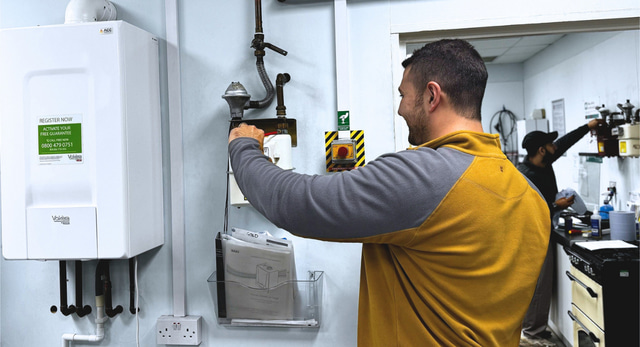

Moving from a plumber to gas engineer builds on skills you already use, but it is not an automatic upgrade. You need gas-specific training, supervised practical experience, relevant ACS assessments and Gas Safe registration. This article explains where your plumbing experience counts, which route to choose and what must happen before you take on gas work.
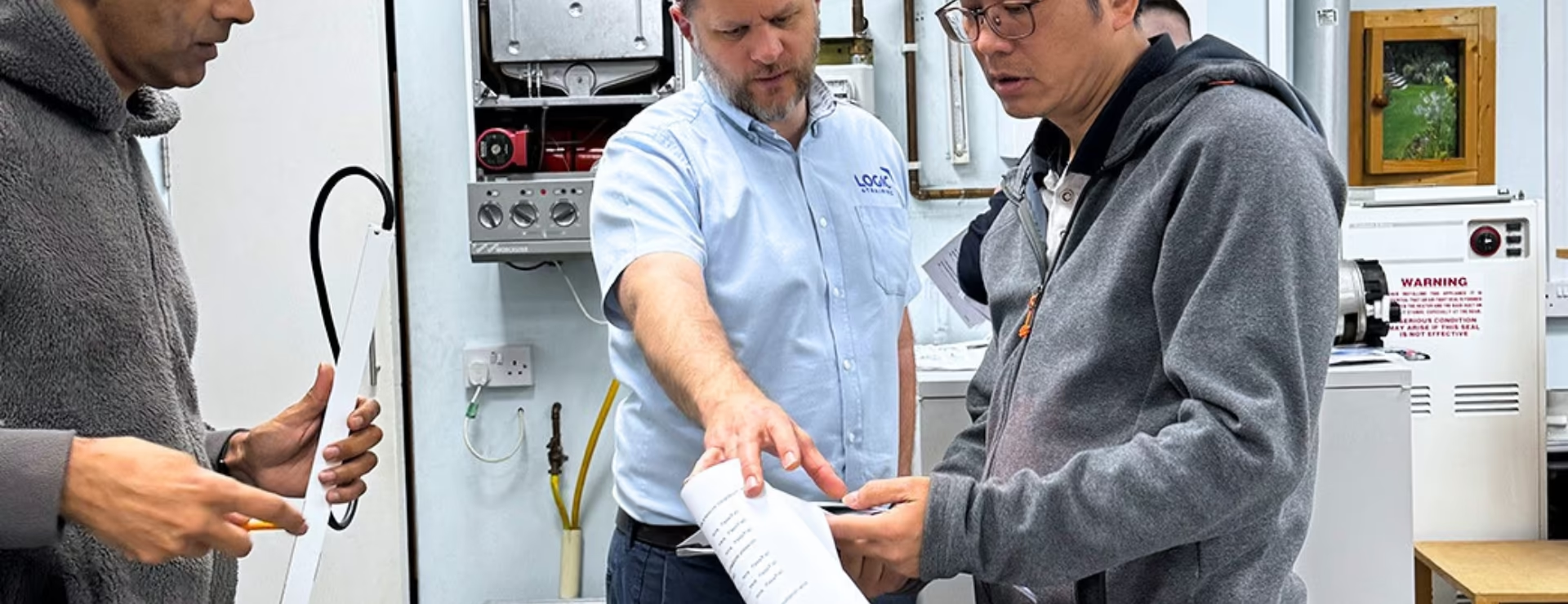
TL;DR
What you need to know:
- Plumbing qualifications, pipework skills and heating experience can provide a useful foundation, but they do not establish gas competence.
- Our experienced trades gas course requires at least two years in a related trade, subject to a suitability assessment.
- The route combines a Gas Managed Learning Programme, supervised on-site portfolio work and initial ACS assessments.
- For the domestic natural-gas boiler route, the key assessments are CCN1 core gas safety and CENWAT for central heating boilers and water heaters.
- Finishing training or passing ACS does not automatically put you on the Gas Safe Register.
- The business must be registered, and the engineer must be listed with the relevant work categories before undertaking independent gas work within that scope.
- Allow time for the practical portfolio, assessment and registration, not just the advertised centre-based course.
Why Add Gas to Your Plumbing Skills?
If you already install radiators, alter heating pipework, or work around domestic hot water systems, gas training can help you understand heating systems more fully. It adds fuel, combustion, and appliance-safety knowledge that general plumbing experience doesn’t provide.
That can support a move towards boiler installation, servicing or repair, once you have the relevant competence and registration. It may also let you build on the heating work you already do, rather than changing trade entirely.
There is a practical distinction here. Being confident with the water circulating through a heating system is not the same as understanding whether its gas appliance is operating safely. A boiler needs both sides to work correctly, but the risks and assessment requirements differ.
Think about the work you want to offer before choosing your training. Domestic boilers, gas fires, cookers, commercial equipment, and LPG aren’t covered by a single unrestricted qualification. Adding gas can broaden your options, but it does not guarantee earnings, customers or employment.
Does Your Plumbing Experience Count Towards Gas Training?
Yes, relevant plumbing experience can help determine your starting point. It does not remove the need to learn and demonstrate gas safety.
When reviewing your background, useful evidence may include:
- Recognised plumbing or heating qualifications and their certificates.
- Practical experience installing and maintaining water and heating systems.
- Pipework skills, including measuring, jointing, support and working in occupied properties.
- Understanding of heating layouts, controls and hot water systems.
- A clear account of your industry experience and the work you carry out.
A job title alone tells us very little. Two plumbers may have quite different backgrounds: one mainly fits bathrooms, while another regularly works on heating systems. A qualification also needs context, including how much practical experience sits behind it.
Logic4training’s published entry requirement for the experienced trades route is at least two years in a related trade. Candidates are assessed for suitability, and a good understanding of maths and English is essential. Meeting the experience threshold is a starting point, not automatic acceptance or permission to work on gas.
Which Gas Course Is Right for a Plumber?
The right gas course for plumbers depends on your qualifications, experience, and intended work. Start with an entry assessment rather than choosing the shortest course description.
For suitable experienced plumbers
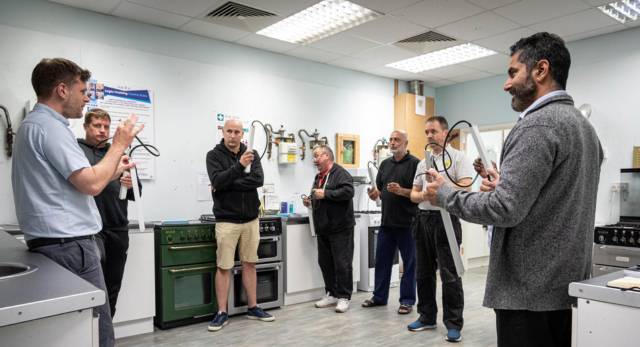
Our Domestic Gas Heating Installer Experienced Trades Route builds on relevant trade experience. It includes a Gas Managed Learning Programme (MLP), with centre-based theory and practical training, online revision, a mandatory on-site portfolio, and progression to an initial ACS assessment.
The domestic boiler pathway works towards CCN1 and CENWAT. Training is available through our Northolt, Luton, Basildon and Sittingbourne centres. Confirm current dates, delivery options and package details with the team.
For plumbers who need more foundation training
If your experience does not meet the experienced route requirements, our new entrant gas engineer route includes additional plumbing and heating foundations before the gas MLP. It may suit you better if you are early in your plumbing career or have limited practical heating knowledge.
Searching for a “plumbing and gas course” can bring up both routes. Check what the package actually delivers. Foundation training, a plumbing qualification, gas competence assessments and Gas Safe registration are different things, even when they appear in the same career plan.
What to check before booking
- Which entry requirements apply to your background?
- Are ACS assessments and any refresher sessions included in the quoted package?
- Will you arrange your own suitable supervising engineer, or does the package include portfolio support?
- Which appliance categories will the route cover?
- What are the arrangements and charges for extra training or reassessment if needed?
Get a written breakdown. Portfolio access is particularly important and classroom attendance cannot replace supervised experience on real jobs.
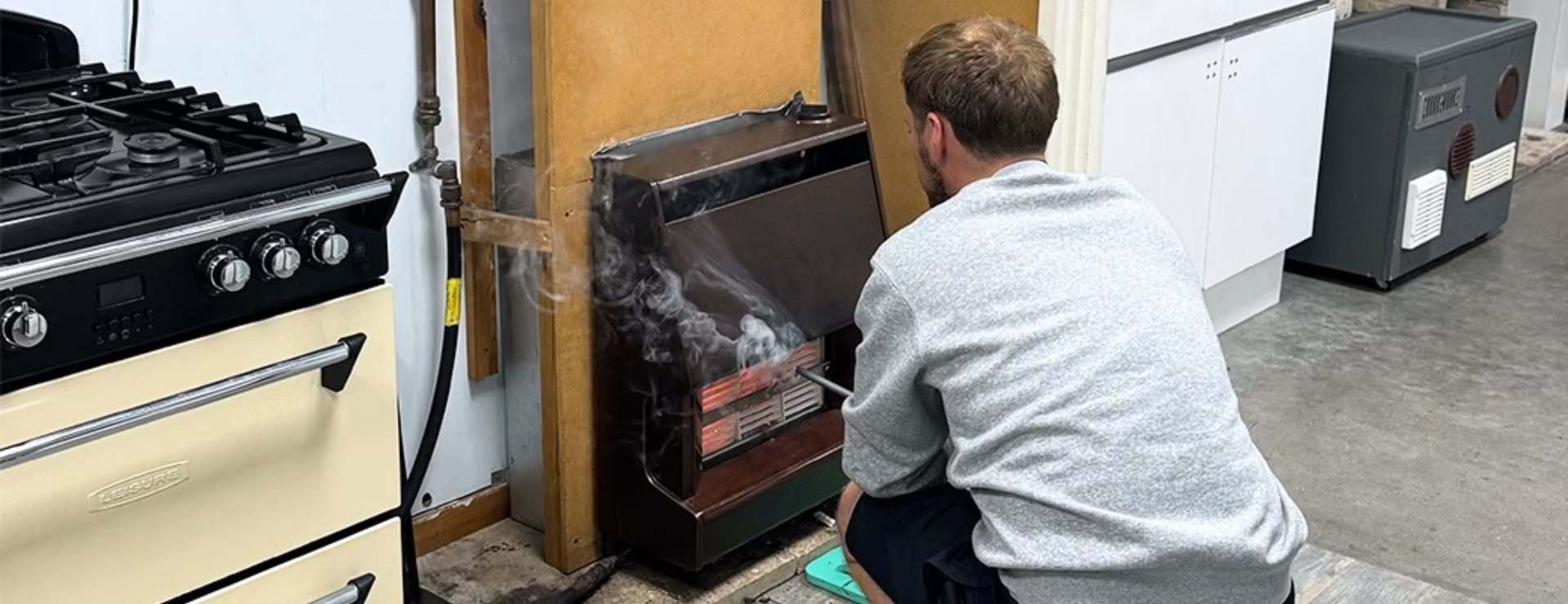
What Will You Learn That Plumbing Does Not Cover?
Gas training for plumbers focuses on the risks, measurements and safety decisions specific to gas installations and appliances. Familiarity with copper pipe is useful, but it is only a small part of the picture.
- Gas safety and unsafe situations: recognising hazards, understanding responsibilities and following the appropriate response procedures.
- Combustion: how gas burns, why incomplete combustion is dangerous and how combustion performance is assessed.
- Ventilation: understanding the air requirements of appliances and the consequences of inadequate provision.
- Flues and chimneys: assessing how combustion products are discharged and recognising relevant installation and safety requirements.
- Gas pipework: understanding gas-specific sizing, pressure, materials and installation requirements.
- Testing and purging: developing the knowledge and practical skills needed to carry out the relevant procedures safely.
- Appliance safety: understanding controls, safety devices, commissioning, servicing and fault diagnosis within the training scope.
- Regulations and instructions: applying relevant gas safety legislation, technical standards and manufacturers’ instructions.
The HSE’s gas safety guidance describes competence in terms of training, skills, experience and knowledge. That is why this route combines learning with practical evidence rather than relying on a classroom certificate alone.
This article explains the training journey, not how to undertake gas work. Learners must learn and be assessed on testing, combustion analysis, and appliance procedures through the appropriate training arrangements.
How Do You Prove Your Gas Competence?
You prove competence through the practical evidence required by your training route and the relevant assessments. Course attendance shows that you attended training. It does not, on its own, demonstrate that you can work safely.
Build a supervised practical portfolio
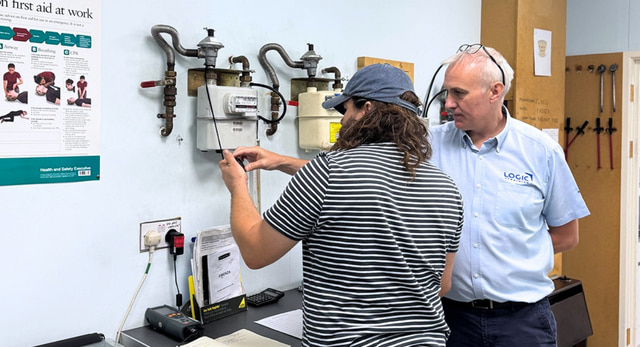
On Logic4training’s experienced trades route, the on-site portfolio is mandatory. You build evidence of relevant tasks under the supervision of a suitably qualified Gas Safe registered engineer. The programme includes installation, servicing and breakdown experience, with assessment and review requirements.
Arrange this stage early. Your provider must confirm what evidence is acceptable, who can supervise and how work is recorded. A collection of job photographs is not enough unless it meets the programme’s evidence requirements.
Do not arrange independent gas jobs and expect someone to sign them off afterwards. Plan supervised training with the appropriate supervision and responsibility in place. A training provider like us may be able to help if you’re struggling to find a Gas Safe Registered engineer.
Complete initial ACS assessment
ACS stands for the Accredited Certification Scheme. For the domestic natural-gas pathway discussed here, CCN1 is the core domestic gas safety assessment. CENWAT covers central heating boilers and water heaters.
Core gas safety and appliance competence have different purposes. CCN1 supplies the foundation; relevant appliance assessments demonstrate competence for the equipment you intend to work on. Passing CCN1 alone does not qualify you for all domestic gas appliances.
Our Domestic ACS Gas Safety Courses explain the initial, reassessment and additional-category options. A plumber entering gas for the first time needs an approved route into initial assessment, not a reassessment course intended for existing gas engineers. Read our guide to qualifications for Gas Safe registration for more context.
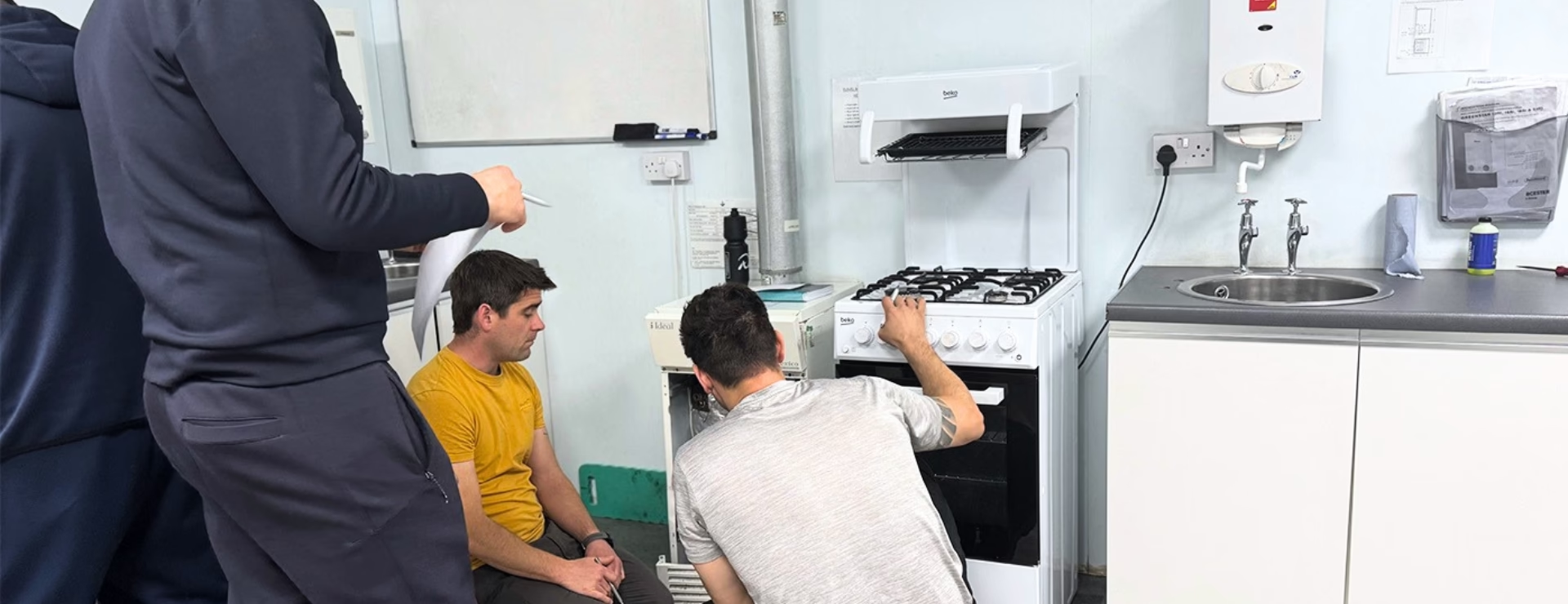
When Can You Join the Gas Safe Register?
You can progress to registration once you hold the recognised evidence of gas competence required for your intended work. Completing a course doesn’t register you, and passing ACS isn’t the same as having an active registration.
- Training
- Required competence
- Relevant ACS
- Gas Safe registration.
According to Gas Safe Register’s registration guidance, the awarding body sends evidence of competence directly to the Register. Registration follows a separate application process.
It also helps to understand the business arrangement:
- If you set up as a sole trader or start your own gas business, you need to register the business and be listed for the relevant work.
- If you join an existing registered business, it must list you under its registration with the appropriate qualifications.
- Your work must stay within the categories you hold and your actual competence. A domestic natural-gas boiler route does not automatically cover LPG or commercial gas.
The HSE explains the legal registration requirement for gas engineering businesses undertaking work within the scope of the Gas Safety (Installation and Use) Regulations. Customers can check both registration and work categories through the Register.
New registrations normally begin with a three-month probationary period. This is active registration with additional record-keeping, work-reporting and inspection requirements, not a substitute for your initial training or assessments. Registration renews annually; ACS certificates normally require renewal every five years. Keep track of both.
For the application stage, see our guide on how to get Gas Safe registered.
Your Route From Plumbing to Gas
The stages below separate what you learn from how you prove competence and obtain registration.
How much time should you allow?
Our Bronze and Silver experienced trades packages are advertised as four weeks plus the on-site portfolio. That is not a four-week promise of registration. Your total journey also depends on access to suitable supervised jobs, completing acceptable evidence, assessment availability, certification and registration.
Budget for time away from paid work as well as training fees. Ask which portfolio support, assessment costs and additional qualifications are included. Our insight into how long it takes to become a gas engineer explains why the practical stage affects the overall timeline.
Take the Next Step From Plumbing Into Gas
Start with a review of your qualifications and experience. Tell our team how long you have worked in plumbing, which tasks you regularly undertake and whether you already have access to a suitable supervising gas engineer.
We can then discuss whether the experienced trades pathway fits your background or whether additional foundation training would be more appropriate.
- Plumbing training/experience
- Gas training
- Practical competence
- ACS
- Gas Safe registration.
Frequently Asked Questions
Can I keep working as a plumber while completing gas training?
Yes. You can continue plumbing work that you are competent and otherwise authorised to undertake while you train. Enrolling on a gas course does not allow you to take on independent gas work. Practical gas work during training must form part of the approved learning arrangements, under appropriate supervision by a suitably qualified Gas Safe registered engineer. Confirm the arrangements with your training provider before starting portfolio work.
Is a plumbing qualification enough to work on boilers?
No. A plumbing qualification alone does not demonstrate competence to install, service, repair or commission a gas boiler. Plumbing work on the wider heating system is different from work on the gas appliance. Even tasks described as water-side work can affect gas safety, depending on what you disturb. If the work involves the gas appliance, its combustion circuit, flue or gas supply, confirm the required competence and registration before accepting it.
Do I need to take CCN1 before appliance assessments?
For the domestic natural-gas route described here, CCN1 provides the core gas safety foundation for relevant appliance assessments. The assessments may be arranged within the same initial ACS package, rather than as separate course bookings. Your assessment centre should confirm the prerequisites and assessment sequence for your route. CCN1 alone is not a boiler qualification; relevant appliance competence, such as CENWAT, is also needed.
Can an experienced heating engineer follow the same route as a plumber?
Potentially. Logic4training assesses suitability for its experienced trades route based on relevant qualifications and experience, not job title alone. Its published entry requirement is at least two years in a related trade, alongside a suitability assessment and a good understanding of maths and English. Ask the team to review your background before enrolling.
How long does it take for a plumber to become a gas engineer?
There is no single completion time. Logic4training advertises its Bronze and Silver experienced trades packages as four weeks plus an on-site portfolio. This does not promise Gas Safe registration in four weeks. Portfolio completion, assessor approval, ACS assessment, certification and registration all affect the overall timeline. Confirm the current timetable and package inclusions before booking.


 Your latest offers & alerts