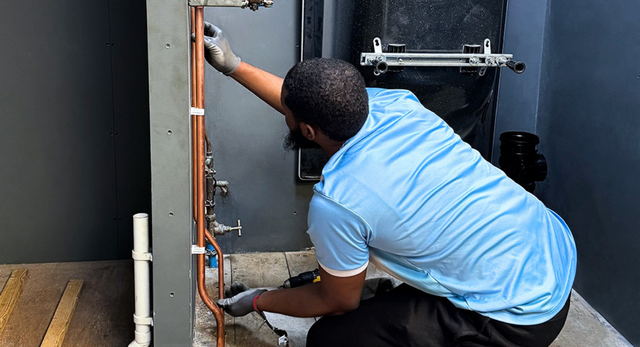

Plumbing training is worth it for many people in the UK because it leads to a practical, in-demand career with solid earning potential and clear routes for progression into heating, gas and renewables, as long as you choose quality training and commit for the long term.
If you look beyond the upfront course cost and focus on lifetime earnings, job security and the option to become self‑employed, plumbing training can deliver a strong return on investment for the right person.
TL;DR
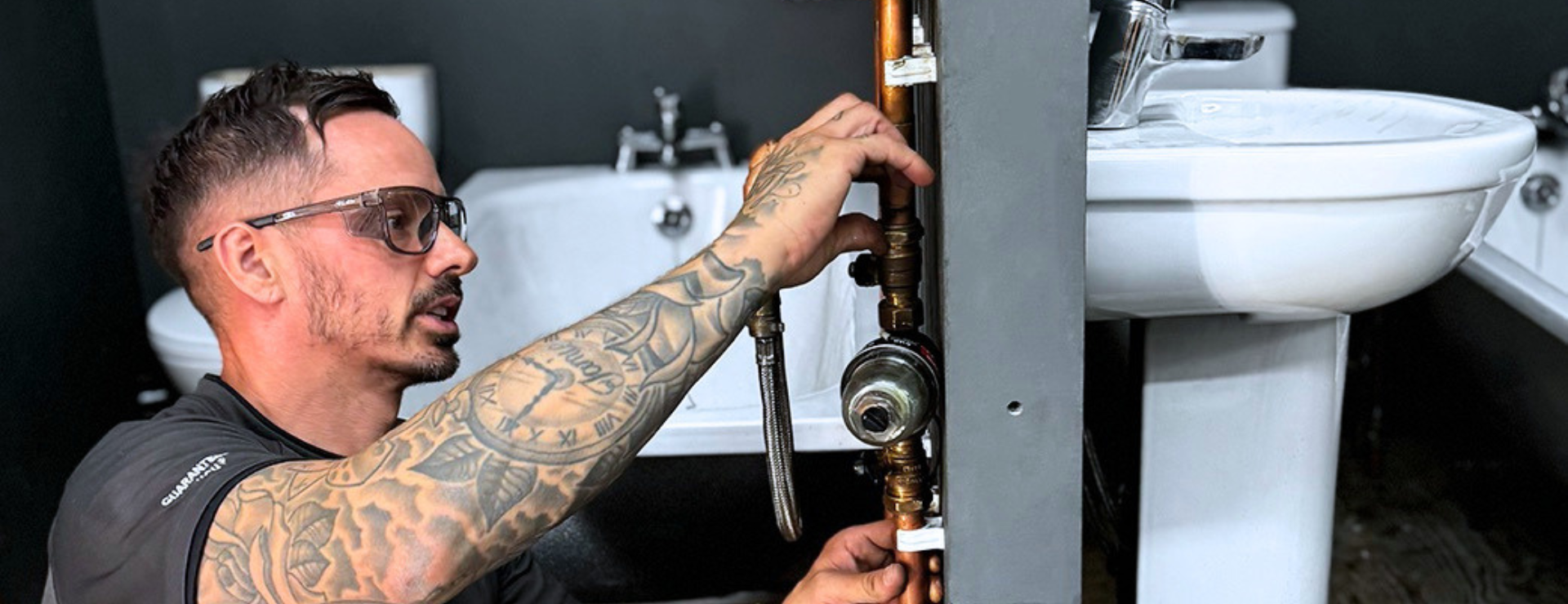
- Plumbing skills are in steady demand across UK homes and businesses, with ongoing need for installation, maintenance and repairs.
- Training is much shorter than a university degree, so you can start earning sooner and avoid large student debt.
- Typical UK plumber salaries sit in the mid‑£30,000s, with higher earnings for experienced or specialist plumbers and business owners.
- There are multiple routes in: full or part-time courses and apprenticeships, so you can train around work or a career change.
- Once qualified, you can progress into heating, gas, renewable technologies and eventually run your own business, which increases long‑term earning potential.
Is Plumbing The Right Investment For You?
Ultimately, whether plumbing training is “worth it” depends on your goals, preferences and willingness to commit to the trade. This simple decision guide can help:
If these outcomes align with what you want from work, plumbing training is likely to be a good investment, especially if you commit to ongoing development and choose a reputable training provider.
Why So Many People Are Considering Plumbing as a Career
Plumbing continues to attract school leavers, career changers and people who want a hands‑on job rather than sitting behind a desk all day. It offers a clear training pathway, practical work and the satisfaction of solving real problems for customers.
Unlike some sectors, plumbing is built around essential services: clean water, heating and sanitation. Homes and businesses cannot function without these systems, which keeps skilled plumbers in demand even when the wider economy slows down. If you’re weighing up a big change, that stability is a major part of the appeal.
The UK’s Continuing Demand For Skilled Plumbers
The UK faces ongoing skills shortages in many trade roles, including plumbing, as older workers retire and fewer young people enter the trades. At the same time, the country needs more housing, upgrades to older properties and improvements to ageing pipework and heating systems.
Growth in renewable and low‑carbon heating – such as heat pumps and more efficient hot water systems – also needs plumbers and heating engineers with modern skills. This combination of an ageing workforce, new technology and a large existing housing stock means qualified plumbers should remain in demand for years to come.
Why Plumbing Offers Long‑Term Career Security
Plumbing is an essential trade, so the work tends to be more resilient than many office‑based roles. People may delay some home improvements, but they cannot ignore leaks, failed boilers or blocked drainage.
There are also many different ways to work once you’re qualified:
- Employed roles
- Subcontracting
- Local domestic work
- Commercial jobs
- Running your own business.
That diversity allows you to switch sectors or specialisms as your interests and the market change.
What Does Plumbing Training Actually Involve?
Plumbing training is about far more than basic pipework. You’re investing in a mix of practical skills, technical knowledge and recognised qualifications that prove your competence to employers and customers.
If you’d like a route map, Logic4training’s guide on how to become a plumber walks through the main stages and options available in the UK.
Practical Plumbing Skills
On a typical plumbing course, you learn how to work safely and effectively on domestic and light commercial systems. Training usually covers:
- Pipework and joints
- Cold and hot water systems
- Heating circuits and controls
- Installation techniques for bathrooms, kitchens and heating appliances
- Fault‑finding and basic diagnostics
- Health and safety in workshops and on site
These skills are taught in purpose‑built training centres, using realistic rigs and scenarios so you can build confidence before stepping on to real jobs.
Industry Knowledge and Qualifications
You also need a solid understanding of regulations, standards and good customer practice. This includes building regulations, water regulations, system design, correct materials and how to communicate clearly with customers in their homes.
Recognised qualifications such as a Level 2 Plumbing Diploma give you a recognised benchmark that employers and clients understand. Plumbing courses are designed to combine classroom theory with practical training so that you’re ready for work, not just to pass an exam.
Different Routes Into Plumbing
There isn’t one single way into plumbing. Common UK routes include:
- Full‑time college
- Full or part-time plumbing courses run at private training centres
- Apprenticeships, usually taking 2-4 years while you earn and learn on site
- Upskilling and assessment routes for people already working in the industry without formal qualifications
Plumbing courses can be completed in as little as six weeks for core domestic skills, while apprenticeships take longer but give you paid site experience. Choosing the right route depends on your current situation, finances and how quickly you want to change career.
Understanding the Investment: Cost vs Long‑Term Value
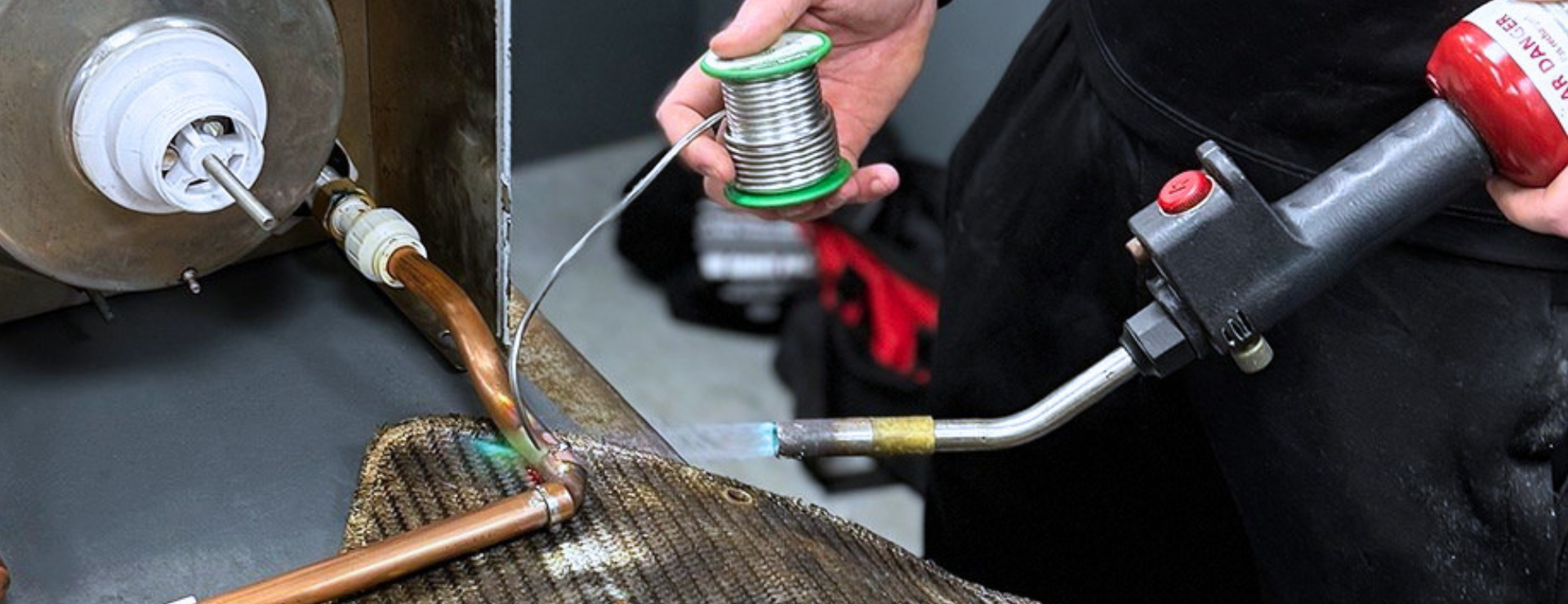
It’s natural to focus on “how much does a plumbing course cost?” when you first start researching. In reality, the key question is whether the training pays you back over the years you’ll spend working as a plumber.
Looking Beyond the Initial Cost
Plumbing training should be viewed as an investment, not just an expense. Once you’ve learned the skills and gained qualifications, they stay with you for decades of working life. The upfront course fee is just the starting point of a long career.
Quality training also reduces the risk of costly mistakes on site and increases your chances of employment, because employers value well‑trained staff who can work safely and efficiently from day one.
Time Investment Compared With University Degrees
Compared with a typical three‑year university degree, many plumbing training routes are shorter and more direct. Fast‑track or intensive plumbing diplomas can take weeks rather than years, while apprenticeships blend learning with paid work over two to four years.
This means you can start earning as a trainee or newly qualified plumber while many graduates are still studying or searching for entry‑level roles. For people who want to get into paid work quickly and avoid large student loans, that’s a major advantage.
Why Return on Investment Matters More Than Upfront Cost
Return on investment (ROI) looks at the relationship between what you pay for training and what you earn across your career. Even if the upfront course fee feels significant, the lifetime earnings of a successful plumber can be many times higher.
When you factor in progression into heating, gas, commercial work or renewables, the value of your initial plumbing qualification becomes even clearer. Focusing on ROI encourages you to prioritise course quality, support and outcomes rather than simply chasing the lowest price.
How Much Can Qualified Plumbers Earn?
Figures from the Office for National Statistics show average full‑time earnings for plumbers are £38,337, which is broadly in line with or above many UK occupations. That’s a useful reference point when you look at job ads or discuss pay with employers.
Earnings Grow With Experience
Newly qualified plumbers often start in the mid‑£20,000s while they build experience and confidence. With three to five years of work and additional qualifications, earnings commonly rise into the mid £30,000s.
Established plumbers with strong skills and a good reputation can reach the £38,000-£45,000 bracket in employed roles or through busy self‑employment. Specialist plumbers and successful business owners can earn significantly more, although this depends on workload, efficiency and how well the business is run.
Factors That Influence Plumber Salaries
Several factors shape how much you can earn:
- Experience and time in the trade
- Level of qualification and additional tickets (e.g. gas, renewables)
- Location, with higher rates often seen in London and the South East
- Job pricing, taking into considering cost of materials and overheads
- Sectors, such as domestic work, commercial projects or industrial sites
- Reputation, repeat customers and online reviews
Our own survey finds many employed plumbers earning between roughly £28,000 and £45,000 per year, with experienced or specialist engineers often going beyond that range.
Self‑Employment Can Increase Income Potential
Many plumbers choose self‑employment once they have solid experience and customer contacts. This can boost earnings because you set your own rates, choose the type of work you take on and benefit directly from working efficiently.
Running a successful plumbing business means investing time in marketing, quoting, administration and customer service as well as technical work. However, it also gives you the chance to expand by hiring staff, adding specialist services and building a brand in your local area.
Career Progression Can Increase Your Return on Investment
Your first plumbing qualification is the foundation. The real return on investment emerges as you add skills and move into higher‑value areas over time.
Moving Into Heating and Gas
Many plumbers go on to train in heating systems and gas work, which opens the door to boiler installations, system upgrades and more complex diagnostics. Gas engineering requires specific qualifications and registration, but it can significantly increase the range of jobs you can take on and your earning potential.
At Logic4training, we have broken this down into straightforward, industry-recognised gas courses for plumbers who have completed suitable qualifications, enabling them to build a broader skill portfolio with expert support.
Progressing Into Renewable Heating
The UK’s push towards net zero is driving demand for renewable heating technologies such as heat pumps and low‑carbon hot water systems. Plumbers who understand traditional systems are well placed to up‑skill into these areas.
Our range of renewables courses covers heat pumps, low‑carbon heating and related technologies, helping plumbers future‑proof their careers and tap into growing markets.
Building Your Own Plumbing Business
For many people, the long‑term goal is to run their own plumbing and heating company. That might start with local domestic work and grow into a multi‑van operation with staff, apprentices and specialist services.
Your initial plumbing training is the technical base for that journey. Over time, combining trade skills with business knowledge, such as pricing, marketing, and customer care, lets you turn a single qualification into a long‑term asset that supports your lifestyle and financial goals.
Comparing Plumbing With Other Career Paths
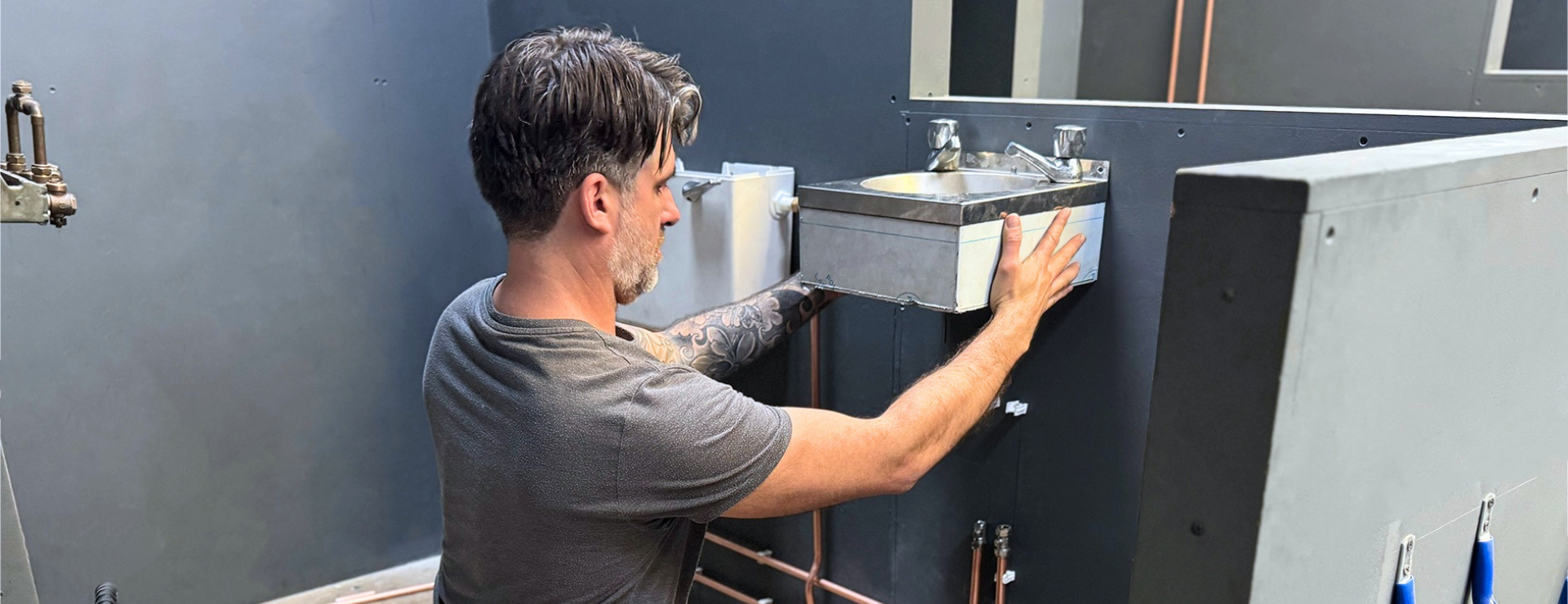
If you’re choosing between plumbing and other routes, it helps to compare the realities: training length, debt, day‑to‑day work and progression.
Plumbing vs University
University is ideal for some careers, but it usually involves three years of study and significant student loans. By contrast, many plumbing training routes are shorter and more hands‑on. Plumbers typically start earning sooner than graduates and avoid large tuition debts, although they do invest in course fees and tools. If you prefer practical learning and want to be in paid work quickly, plumbing is a strong alternative.
Key comparisons:
- Cost: University fees can exceed £28,000 for a three‑year degree, plus living costs and long‑term student debt. Trade courses are typically a fraction of the cost, with apprenticeships allowing you to earn while you learn.
- Time: Degrees usually take 3+ years, whilst many plumbing and trade routes get you job‑ready in around 12-18 months or via a paid apprenticeship over a similar timeframe.
- Learning style: University is largely academic and theory‑based. Plumbing and other trades focus on practical, hands‑on training supported by targeted classroom learning.
- Debt vs earnings: University graduates often start repaying student loans soon after entering work. New tradespeople can avoid large student debt and begin earning in their field earlier.
- Career clarity: Degrees may not always lead directly to a specific job, while plumbing training gives a clear pathway into an essential, in‑demand trade with options to specialise or start a business.
You can read more in our article on university vs learning a trade.
Plumbing vs Office‑Based Careers
Office roles suit people who enjoy desk‑based work, long periods at a computer and structured corporate environments. Plumbing is different: it’s active, varied and often more independent, with plumbers designing, installing, repairing and maintaining hot water, cold water, heating, drainage and renewable systems across homes and businesses.
You’ll spend your days moving between jobs, diagnosing faults, fitting new systems, carrying out maintenance and speaking directly with customers. For many people, that mix of practical work, problem‑solving and customer interaction is a key part of job satisfaction and makes the investment in plumbing training feel more rewarding than a purely office‑based career.
Key comparisons:
- Environment: Office work is mostly desk‑based and screen‑focused; plumbers work across homes, businesses, construction sites and plant rooms, often visiting several locations in a single day.
- Tasks: Office roles centre on meetings, emails and digital documents; plumbers install pipework and fixtures, diagnose leaks and pressure issues, test systems and maintain bathrooms, kitchens, cylinders and heating.
- Activity level: Office workers are largely sedentary; plumbers are on their feet, using tools, moving equipment and working in varied physical environments.
- Customer contact: Many office roles have indirect customer contact; plumbers speak with homeowners, tenants, site managers and other trades every day, explaining issues and solutions in plain language.
- Variety: Office jobs can be repetitive from day to day; plumbing offers a changing mix of installations, repairs and call‑outs, which Logic4training’s insight highlights as one reason many plumbers enjoy the trade.
You can read more in our article on what a plumber does day to day.
Plumbing vs Other Skilled Trades
Plumbing sits alongside other skilled trades such as electrical work, HVAC and general building, and many people compare these options when deciding how to retrain. One advantage of plumbing is its close overlap with heating, gas and renewable technologies, which gives you multiple progression routes over your career
Many plumbing skills, such as reading plans, installing pipework, understanding building regulations and working safely in domestic properties, are transferable to related areas, allowing you to adapt your career as the industry evolves.
Key comparisons:
- Scope of work: Plumbers focus on water, heating and sanitation systems; electricians work on power, lighting and controls, while HVAC engineers specialise in ventilation and climate systems.
- Progression routes: Plumbing provides natural pathways into gas engineering, heating, unvented hot water and renewables; electrical work can lead into inspection, testing, EV charging, solar PV and industrial controls.
- Day‑to‑day tasks: Both trades involve reading plans, working to regulations and diagnosing faults, but plumbers tend to work more with pipework and fixtures, while electricians focus on wiring, circuits and protective devices.
- Demand and flexibility: Logic4training’s insight highlights strong demand for both plumbing and electrical trades, with skills that remain useful across domestic, commercial and renewable sectors.
You can read more in our article on whether you should be an electrician or plumber.
How Long Does It Take For Plumbing Training To Pay Off?
The pay‑off timeline depends on your training route, how quickly you move into work and how committed you are to continuing development.
Your Career Timeline
A simplified timeline for a new entrant might look like this:
Plumbing courses can get you into entry‑level domestic work within months, while full apprenticeships spread learning and earnings over several years. In both cases, the financial benefits start as soon as you’re working and grow as you progress.
Why Continuous Learning Increases Lifetime Earnings
Plumbers who keep learning and adding qualifications usually see stronger earnings over their career than those who stop at the first qualification. Extra skills in heating, gas, unvented hot water or renewables give you more ways to help customers and justify higher rates.
Continuing professional development also keeps you aligned with changes in regulations and technology, which protects your reputation and makes it easier to win quality work.
In practical terms, every additional plumbing-related qualification can be seen as another investment that increases your lifetime return from that initial decision to train.
Bringing It All Together
Plumbing training is the first step into a practical, essential trade that can support you for decades. Once you factor in steady demand, mid‑£30,000s typical earnings with room to grow, and clear progression into heating, gas and renewables, the long‑term value often outweighs the upfront cost of training.
For school leavers, plumbing offers a direct alternative to university: shorter training, lower debt and the chance to start earning sooner. For career changers, it’s a realistic way to move out of office‑based work into a more active, varied role, with multiple entry routes that fit around existing commitments, from plumbing courses to longer apprenticeships.
At Logic4training, we have helped thousands of people start and develop plumbing careers, from first‑time learners on a Level 2 plumbing diploma through to experienced engineers adding gas, unvented and renewable qualifications. Our trainers bring real site experience into the classroom, and our programmes are built around current UK regulations and employer expectations, so you leave with skills that are ready for the real world.
If you’re weighing up whether plumbing training is worth the investment, the key is to look beyond course fees and ask how you want to work, earn and progress over the next 10-20 years. If you like the idea of a hands‑on career, steady demand, and the option to build your own business or specialise in future‑proof technologies, plumbing is a strong contender, and the right training provider can make that transition far smoother.
FAQs
Is plumbing training worth it?
Plumbing training is worth it for many people because it leads to a practical, in‑demand career with solid earning potential and clear progression routes into heating, gas and renewables. While there is an upfront investment of time and money, successful plumbers can work for decades, increasing their income as they gain experience and specialist skills.
How much does a plumbing course cost?
Course costs vary depending on the provider, qualification level, training route and whether you choose full‑time or part‑time learning. It’s important to consider these costs alongside long‑term benefits such as job security, earning potential and the ability to move into higher‑paid specialist areas, rather than focusing on price alone.
How much can plumbers earn in the UK?
Typical UK plumber salaries sit around the mid‑£30,000s, with newly qualified plumbers starting lower and experienced or specialist plumbers earning more. Earnings vary based on experience, qualifications, location and whether you’re employed or self‑employed, with successful business owners sometimes achieving significantly higher incomes.
How long does it take to become a qualified plumber?
Training routes range from fast‑track courses of around six weeks for core domestic skills through to apprenticeships lasting two to four years. Your total timeline depends on prior experience, the level of qualification you want and how quickly you build practical work experience alongside your training.
How can plumbers increase their return on investment over time?
Plumbers can improve their return on training by gaining experience, adding further qualifications (such as gas, unvented hot water or renewables), specialising in high‑demand areas and providing excellent customer service. Expanding services and, in time, running a well‑managed business can significantly boost lifetime earnings compared with staying at the entry level.


 Your latest offers & alerts