
Last updated: 15th October 2026 | Originally published: 22nd October 2022
The simple answer is that it varies. The total cost depends on the type of courses you need and your learning path. A new entrant gas engineer course starts at £5,495 + VAT, or £2,995 + VAT for people with suitable trade experience. Qualified engineers pay less for specific assessments, renewals and additional qualifications. This article explains the different training costs, what your package should include and the extra expenses to consider before booking.
TL;DR
- Complete beginners: New entrant gas packages range from around £5,000 to £7,500 + VAT, depending on the support and additional training included.
- Gas training for plumbers: Gas packages range from around £3,000 to £4,500 + VAT, subject to meeting the entry requirements.
- Portfolio support: the portfolio is compulsory, but arranging supervised work and buying a package with on-site portfolio support are different things. Check which option you need.
- ACS reassessment: CCN1 and appliances reassessment course costs range from around £700 to £1,000 + VAT. Price varies depending on appliances that need to be reassessed.
- Other expenses: allow for Gas Safe registration, travel, time away from work and any equipment you need after training.
- Compare the total cost, not just the advertised starting price. Check VAT, assessments, certification, portfolio arrangements and resit terms before paying.
Firstly, it is important to know that there are many gas courses that can be grouped into clear categories, including Gas Managed Learning Programmes for new entrants and experienced related trades, Domestic Gas courses, Commercial Gas courses, and LPG courses. This structure ensures that candidates can find the ideal route, whether starting from scratch, upskilling, or renewing qualifications to remain compliant.
At Logic4training, we have trained gas engineers for over 25 years, so we’re well positioned to break down gas courses and highlight their costs.
Gas engineer course prices at a glance
There is no single gas engineer course price because learners enter the industry at different stages.
A complete beginner needs a broader foundation than an experienced plumber. An established gas engineer renewing existing qualifications needs a different course again.
The table below shows Logic4training’s published package prices. VAT-inclusive figures apply 20% VAT to the advertised fees. Prices are starting prices where indicated, and offers or package details may change.
Gas Managed Learning Programmes
Gas Managed Learning Programmes (MLP) are the most comprehensive and, therefore, the most expensive routes to becoming a gas engineer, as it takes you from a complete beginner, or with related trade experience, to a qualified Gas Safe Registered engineer. They can be split into two categories:
- New Entrants Route – For complete beginners.
- Experienced Trades Route – For individuals with experience in a related trade.
The main difference between them is that New Entrant routes include some additional plumbing and heating elements for learners to complete. Both Gas MLPs offer a quicker route into the industry compared to gas apprenticeships.
The cost of a new entrant gas training route
Logic4training
- Our New Entrants Gas Training Route starts from £5,495 + VAT, and includes the portfolio element. We offer New Entrant Gas Training Route packages designed for various career outcomes, which can be viewed here. Our most expensive package is £ 7,495 + VAT.
Other training providers
- New Entrants Gas Training Route prices from other providers can range from £4,000 to over £7,715 + VAT.
Please note that some training providers will not display the cost of their courses.
Some providers have lower entry prices but may charge extra for the portfolio or the ACS exams. Additionally, it is worth noting that some training providers offer their theoretical elements online. This, in theory, should lower the costs for learners but comes with some major risks, such as being mis-sold and poor quality of course content.
We have gone into more detail on our Online Learning vs In-Person Training in the Trades page. This is why we always advise checking the full package details before committing to any training provider and potentially losing money.
The cost of an experienced trades route gas training route
Logic4training
- Our Experienced Trades Gas Training Route starts from £2,995 + VAT, and includes the portfolio element. We offer Experienced Trades Gas Training Route packages designed for various career outcomes, which can be viewed here. Our most expensive package is £ 4,495 + VAT.
Other training providers
- Experienced Route Gas Training Route prices from other providers can range from £3,495 to over £5,540 + VAT.
Please note that some training providers will not display the cost of their courses.
Like the New Entrant courses of other training providers, they may have lower prices but may charge extra for the portfolio or the ACS exams and run part of their course online. Always check a training provider’s course details.
What’s included in a gas managed learning programme?
- Initial Training: You’ll spend a set amount of weeks in a training centre, learning the theory and getting hands-on practice in purpose-built workshops. This is where you build the foundational knowledge of domestic gas safety, pipework, and appliance installation.
- Portfolio Building: Following your initial training, you will need to build a portfolio of work under the supervision of a Gas Safe Registered engineer. This is a mandatory part of the process and demonstrates that you have real-world experience. Some providers include a portfolio placement in their package, while others require you to find your own. At Logic4training, we include this in our packages for both the New Entrants Route and Experienced Trades Route.
- ACS Assessment: After completing your training and portfolio, you will take your initial ACS (Approved Certification Scheme) assessment. The cost of the core gas safety (CCN1) and the central heating & hot water (CENWAT) are typically included in Gas MLPs. But again, you should always check with a training provider what ACS qualifications are included. At Logic4training, we include a week of refresher training between the completion of the gas portfolio and the ACS assessments. Also, our packages for both the New Entrants Route and Experienced Trades Route include the CCN1 and CENWAT qualifications.
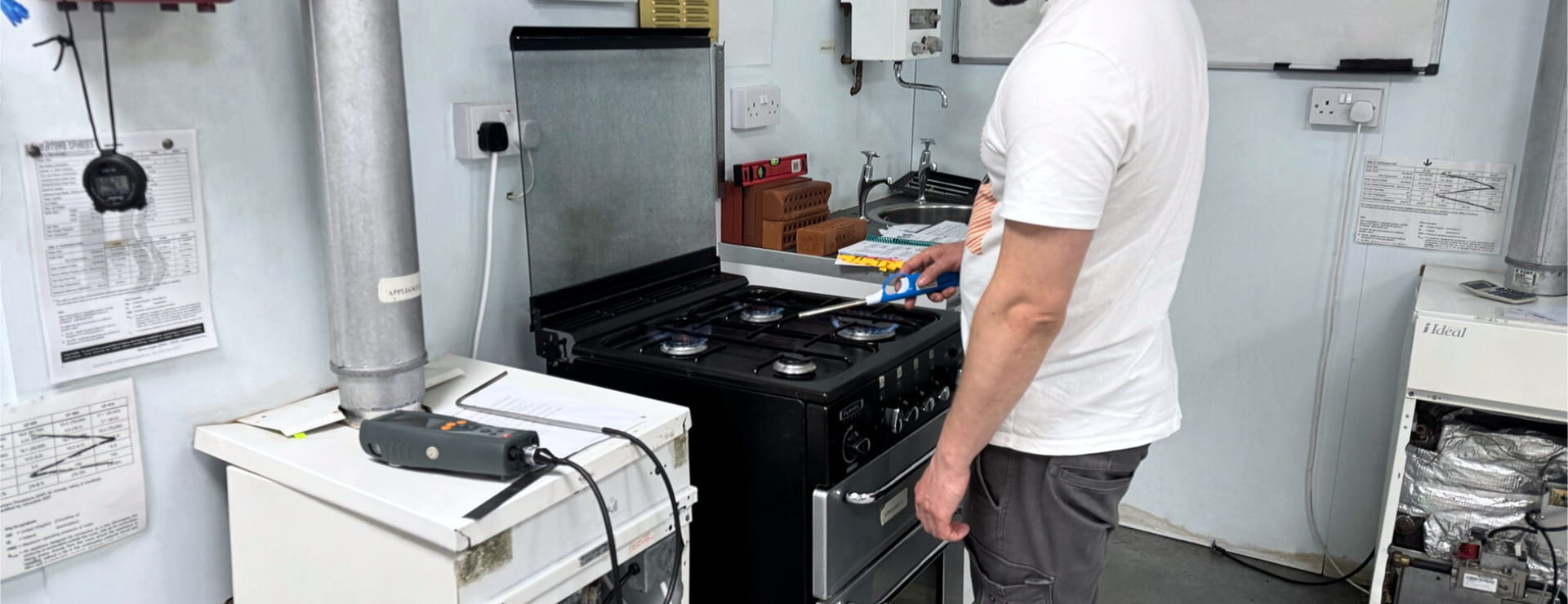
Domestic Appliance Courses
With your core CCN1 qualification in hand, you can then add further domestic appliance modules, or ‘elements,’ to your certification. Some of the appliances are:
- CKR1 (cookers)
- HTR1 (fire)
- MET1 (meters)
- DAH1 (warm air)
- LAU1 (tumble dryers)
- REGT1 (Medium Pressure Meter Regulators)
- LEI1 (leisure equipment)
This expands your scope of work, allowing you to service and install a wider range of gas appliances safely. These modules are available for initial assessment or reassessment and are designed for experienced gas engineers. By law, gas engineers have to wait 12 months from the date of holding their CCN1 to be able to add additional gas appliances to their
The cost of domestic appliance courses
Logic4training
- Initial training and assessment for an individual appliance module starts from £235 + VAT.
- The 5-year reassessment cost per appliance is £195 + VAT
Other training providers
- Domestic appliances range from £95 to £200, per module, but some training providers are unclear as to whether those prices are only available when booking it as part of an initial or reassessment price. With this said, it’s hard to give an accurate price for other training providers’ individual modules.
It is important to note that these prices are for the initial training and assessment for domestic appliances. They typically start around £200 while reassessments are cheaper cost.
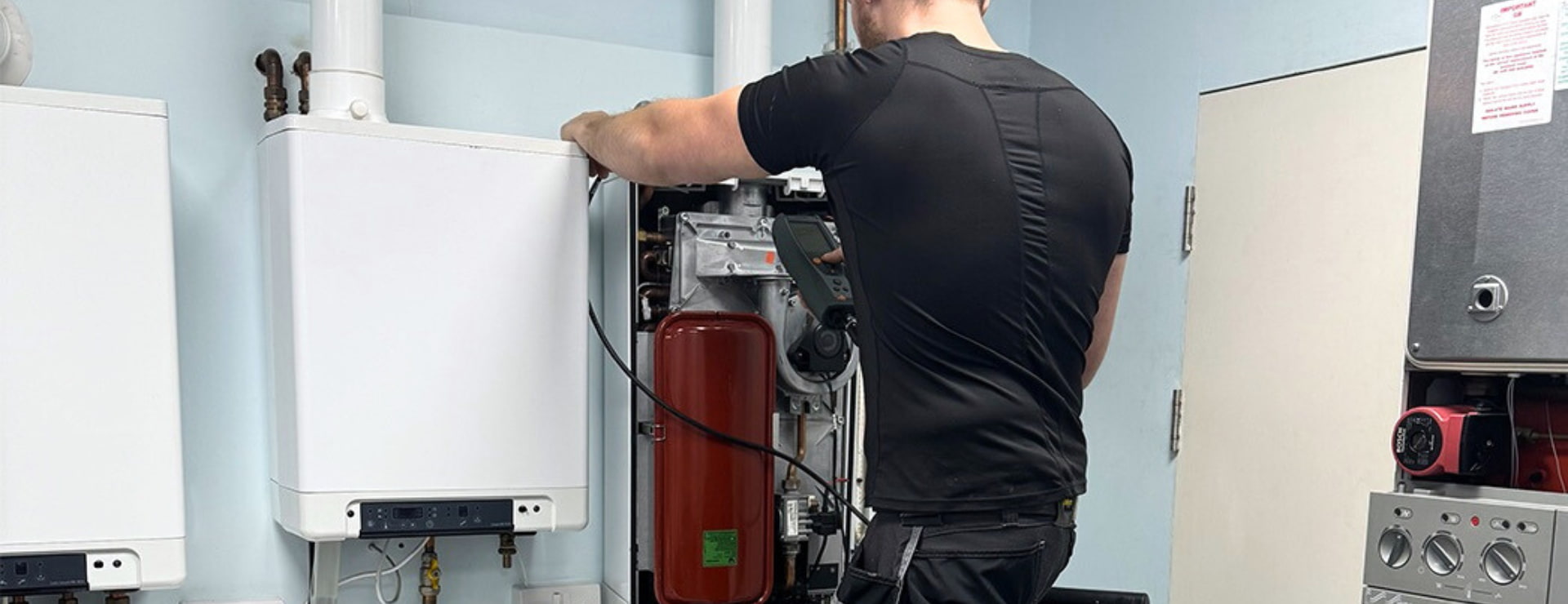
CCN1 Reassessment Courses
For qualified domestic gas engineers, reassessment is a mandatory requirement every 5 years to remain on the Gas Safe Register. This involves reassessment of your Core Domestic Gas Safety (CCN1) and relevant appliance modules.
The cost of a CCN1 reassessment course
Logic4training
- Our 4-day CCN1 Reassessment course costs £965 + VAT and includes the CCN1, CENWAT, CKR1 and HTR1 elements. Our course includes refresher training and assessments.
- As mentioned in the domestic appliance course section, other appliances can be added for £195 + VAT per appliance. Our team are able to walk you through the total price when additional appliances are added to the reassessment course.
Other training providers
- Depending on the package and whether refresher training is included, prices from other providers typically range from £500 to over £1,000.
The cost of a CCN1 reassessment course depends on the number of appliances an engineer needs to cover. This determines how many days of training and assessment are required, which in turn affects the overall price of the other training providers’ CCN1 reassessment course.
What’s included in a CCN1 reassessment course?
Many training centres offer refresher training days to ensure your knowledge is up-to-date before you take the final assessment. The assessment itself will cover a mix of theory exams and practical assessments on the gas appliances you hold the qualifications for and have legally been able to work on for the past 5 years.
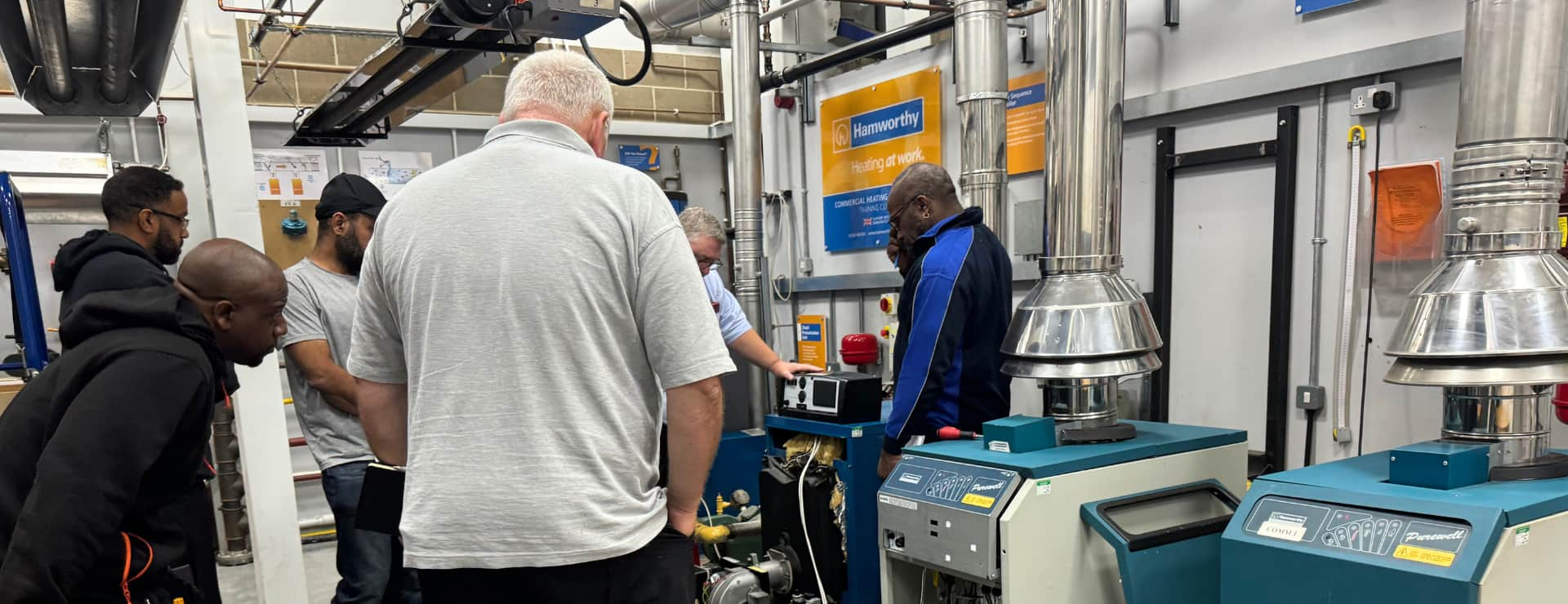
Commercial Gas Training
For domestic gas engineers looking to significantly boost their earning potential, moving into commercial gas is a natural next step. The work is more complex, and the rewards are often higher.
There are three main commercial gas sectors: heating, catering, and laundry. Commercial gas training courses in the commercial sector can be broken down into packages, modules, and reassessment.
The cost of new entrant commercial gas courses (Package)
Logic4training
- At Logic4training, we offer a New Entrant Commercial Heating Training Course and a New Entrant Commercial Catering Gas Training Course. They are designed for individuals working in the industry with a company but lacking the necessary qualifications. Both of these courses cost £3100 + VAT.
When looking for other training providers that run this course, we couldn’t find any that do.
The cost of domestic to commercial gas heating upskill courses (Package)
Logic4training
- Our 8-day Commercial Heating Gas Safety Upskill Package for domestic engineers is priced from £1,695 + VAT. The course includes the following modules
- CODNCO1: Changeover Domestic to Commercial
- ICPN1: Installation First Fix on Commercial Pipework
- CIGA1: Indirect Fired Commercial Appliances
- CORT1: Radiant Tube & Radiant Plaque Heaters
Other training providers
- Looking at other training providers, there seems to be a big range of prices. Training providers are quoting £595 + VAT to £2000 + VAT. Where there is such a range, it could be due to different commercial modules included in the commercial upskill packages and the course length.
The cost of commercial catering changeover course (Package)
For domestic gas engineers looking to move into the commercial catering sector, a dedicated changeover package is often the most efficient and cost-effective option. These packages bundle the necessary training and assessment modules to enable you to work safely and competently on commercial catering appliances.
Logic4training
- Our Catering Changeover Training Course is designed for experienced domestic operatives holding the CCN1 qualification and wishing to upskill to commercial catering. This 4-day course costs £980 + VAT and combines:
- CODC1 (Changeover Domestic to Commercial Catering Core Gas Safety)
- COCATA1 (Changeover Domestic to Commercial Catering Appliances) modules.
- It covers COMCAT1 and COMCAT3. It is also possible to add the COMCAT5 module if needed.
Other training providers
- When comparing catering changeover packages, you will find prices from other providers ranging from approximately £730 + VAT to over £1,300 + certification fees. One provider lists an initial package including CODC1 and COCATA1 for £730 + VAT + £55 manual. Another quotes £1,130 + certification fees for an initial training and assessment package covering CODC1 and COMCATs 1,2,3 & 5. This price variation is often due to the specific combination of COMCAT modules included and the level of training provided within the package.
The cost of commercial gas module courses
For commercial gas engineers who want to add new appliances to their services or require a specific certification, individual modules are the way to go. These are highly focused courses that can be combined to build your knowledge and skills within the industry.
Logic4training
- We offer a wide range of commercial gas ACS modules. We offer:
These modules range from £310 + VAT to £615 + VAT.
Other training providers
- Other training providers also offer modular commercial courses. For comparison, prices from other providers range from £200 to £700.
The range in costs for commercial gas modules is due to the fact that the content of the modules varies and requires specialist equipment and trainers.
The cost of commercial reassessment courses
Just like in the domestic sector, commercial gas qualifications need to be renewed every five years. Reassessment ensures your knowledge and skills remain current and compliant with industry standards.
Logic4training
- At Logic4training, we offer different commercial reassessment courses:
- Core Commercial Heating Gas Safety Training Package is for engineers who are looking to renew their commercial gas qualifications. This course costs £1745 + VAT.
- Commercial Heating Changeover Gas Safety Training Package is for engineers who are looking to renew their commercial gas qualifications while still keeping their domestic gas qualifications live. This course costs £1545 + VAT.
- Core Catering Gas Safety Training Package is for engineers who are looking to renew their commercial catering ACS qualifications. This course costs £670 + VAT.
Other training providers
- Some other providers advertise commercial reassessment packages, with prices varying based on the modules included. For example, a reassessment package covering CODNCO1, CIGA1, CDGA1, and CORT1 might cost around £995 + Cert Fees. Another option includes training and reassessment for Core Commercial Catering + COMCATs 1,2,3 & 5 for £1325 + Cert Fee.
You may notice a common theme throughout this article: some training providers offer different modules and course lengths, and some don’t advertise the full cost of their courses online. These factors can make it difficult to give a straightforward answer, so it is important to research the training provider and the course to ensure it will provide you with the desired qualification(s) and that there are no hidden costs.
What’s involved in commercial gas training?
Package Courses: These are often the bigger courses that allow engineers to change sector (from heating to catering etc) and will include some core qualification as well as some module courses. They will generally include both practical and theoretical learning. Be sure to check which modules are included so that you gain the desired qualifications.
Modular Courses: For those who already work in commercial gas, or who have completed an upskill package, individual modules allow you to add or renew specific competencies, such as pipework (ICPN1) or working on catering appliances (COMCATs).
Reassessment: While reassessment can sometimes be done on an ‘assessment only’ basis, most engineers choose to attend a refresher training course beforehand. This ensures your knowledge is up-to-date with any changes in industry standards or legislation. The reassessment consists of both theoretical and practical exams, covering common gas safety procedures and appliance scenarios.

LPG Gas Training
While the majority of UK properties are on the natural gas network, a significant number of homes and businesses rely on Liquefied Petroleum Gas (LPG). Working with LPG requires specific training and certification. This is a great way to expand your service offering and access a new market, especially in rural areas or for specialist applications like caravans and boats.
The cost of LPG courses
Logic4training
- Our LPG Changeover CONGLP1 & Categories Package is available from £635 + VAT. This package includes the changeover module and several key categories, giving you a broad scope of work. Individually, the LPG changeover course is £380 + VAT, with the LPG modules priced at £70 + VAT each.
- We also offer a 2-day LPG Vessels Package for experienced LPG engineers who want to work on LPG bulk storage vessels. This course costs £415 + VAT.
Other training providers
Other training providers: LPG courses from other providers vary based on the number of categories covered, with changeover packages typically costing between £300 and over £700 + VAT.
What’s included in LPG courses?
Changeover Courses (CoNGLP1): For engineers already holding domestic natural gas qualifications, the CoNGLP1 course allows you to ‘changeover’ to working with LPG as well as natural gas.
Specific Category Courses: Alongside the main changeover, there are specific modules for different types of LPG work, such as residential park homes (RPH), closed flue LPG gas fires (HTRLP2), leisure accommodation vehicles (LAV) and boats and yachts with LPG appliances (CONGLP1 B).
What other costs should you budget for?
Your course fee is only one part of the investment. Build a budget around the whole journey, rather than the first payment.
Gas Safe registration fees
Allow for registration separately unless your written quotation explicitly includes it.
Fees depend on the application or renewal involved and any additional services. Check the official Gas Safe Register fees before applying, rather than relying on an old figure in a training advert. Registration renews annually, while competence certificates normally operate on a separate five-year cycle.
Travel and time away from work
Include travel, parking, accommodation where needed and any reduction in earnings while attending training or portfolio jobs.
Check where each course stage runs. Logic4training offers gas training across Northolt, Basildon, Luton and Sittingbourne, but availability varies by course and timetable. Do not assume every part of a package runs at your nearest centre.
Tools, workwear and business expenses
Logic4training provides tools and equipment during the entry-route courses, along with course books. Learners need suitable steel toe-capped safety boots.
After training, your needs will depend on your job. Ask a prospective employer what it supplies. If you plan to become self-employed, prepare a separate budget for tools, test equipment, insurance, transport and business administration.
Resits and changes to your booking
Ask for the terms covering unsuccessful assessments, extra training, missed attendance and changes to course dates.
The useful question is not just “What is included if everything goes to plan?” It is also “What could I need to pay if my circumstances change?”
Can you spread the cost or take an apprenticeship?
Logic4training offers finance options for eligible learners. Ask for the current terms and check the deposit, repayment period, interest rate and total amount repayable before agreeing. A monthly figure alone does not explain the full commitment.
A paid apprenticeship is another route worth comparing. It combines employment with structured training, rather than requiring you to organise the whole journey as a private learner. Employers must pay apprentices for their apprenticeship training time. In England, training funding depends on the applicable apprenticeship funding rules and employer circumstances.
Read our comparison of gas engineer apprenticeships and other training routes to understand the differences in structure, timing and practical experience.
How to compare gas training providers
A lower price can represent good value. It may also mean less training, fewer qualifications, or less support. The quotation needs to tell you which.
Before paying, check:
- Entry requirements: is the course suitable for your experience?
- Final qualifications: which ACS codes will you work towards?
- Practical training: where and how will you practise?
- Portfolio arrangements: who finds the supervised work?
- Assessment fees: are assessment and certification included?
- Full price: does the figure include VAT and compulsory extras?
- Timetable: how do centre attendance, portfolio work and assessments fit together?
- Contract terms: what happens if you withdraw, reschedule or need another assessment attempt?
Be equally careful with completion claims. Eight weeks of centre-based training does not mean a beginner can complete the full qualification and registration journey in eight weeks. Portfolio work takes additional time, and progress depends on suitable jobs, supervision and satisfactory evidence. Our guide to how long it takes to become a gas engineer explains the stages.
Training with Logic4training
Our commitment to its learners goes far beyond the training centre. Whether you are taking your first steps or retraining, students benefit from ongoing support through ClubLogic, an exclusive revision and resource platform with 24/7 access to up-to-date materials, assessment tools, and refresher content to help you build confidence and achieve success.
Logic4training is trusted by major employers, such as EDF, Eon, OVO, Tesco, NHS, and Octopus Energy, thanks to our expert trainers, modern facilities, and industry-standard qualifications. We have trained over 65,000 tradespeople and pride ourselves on our small class sizes for more personal learning, candidate reviews and testimonials, and consistent outstanding pass rates.
Employers value our qualifications because they meet all industry and regulatory standards required for Gas Safe registration and further career progression. Ongoing support includes business set-up advice for those looking to go self-employed and continuing professional development for experienced engineers.
We have also partnered with Gas Engineer Software to give our gas students a 6-month free use of their platform. It brings scheduling, gas certificates, quotes, invoices and customer management into one app, so if you go self-employed, the admin side of your business is sorted from day one. Spend less time on paperwork and more time on the tools.
Is training to be a gas engineer the right move for you?
Becoming a qualified gas engineer requires commitment, practical training, and ongoing development, but the rewards are significant. With strong job security, rising demand nationwide, and impressive earning potential, it’s a career path that offers both stability and growth. Whether you’re starting from scratch, already in a related trade, or looking to upskill or renew qualifications, choosing the right training partner is crucial.
Logic4training’s hands-on approach, transparent pricing, and comprehensive support are designed to guide learners through every stage, making the process clear, efficient, and genuinely career-changing. Before making your final decision, reflect on your goals, research training packages, compare providers using the checklist above, and reach out with any further questions.
If you’re looking to invest in a new skillset with lifelong value and flexible, rewarding opportunities, gas engineering could be the perfect fit.
AI job losses & future-proofing
Frequently Asked Questions
What is the cheapest route to becoming a gas engineer?
That depends on your experience and access to employment. At Logic4training, the experienced-trades Bronze package starts from £2,995 + VAT, but you must meet its entry requirements and arrange suitable supervised portfolio work. A complete beginner needs a broader route. A paid apprenticeship is another option to compare.
How long does it take to qualify?
Timescales vary depending on the course and learner commitment. Managed Learning Programmes (MLPs) are designed so motivated individuals can complete all in-centre training and assessments in months. After initial training, you must also complete a work-based portfolio, which usually takes a few months, depending on the availability of real-world placements and personal progress. Most learners can fully qualify and gain their Gas Safe registration within 6 to 12 months, significantly faster than a traditional apprenticeship route.
Experienced gas training courses are much shorter in time because they don’t require learners to cover as many topics. They are generally focused on 1 or 2 elements.
You can learn more by reading our article, How long does it take to become a gas engineer?
Does a gas engineer course include Gas Safe registration?
Most of the time it isn’t. Training, ACS assessment and Gas Safe registration are separate stages. After obtaining the relevant competence certificates, you can progress towards registration or working through a registered employer. Check your course quotation and the official registration fees.
What earning potential do gas engineers have?
Gas engineering is one of the best-paid trades in the UK. New entrants can typically expect starting salaries of £25,000-£30,000 per year, depending on region and first job role. With a few years’ experience, annual earnings often exceed £45,000, with skilled engineers, especially those specialising in commercial work or running their own businesses, frequently earn £60,000-£70,000 or more. In London and the South East, or for those taking on emergency or specialist jobs, hourly and day rates are even higher.
You can learn more by reading our article Gas Engineer Stats in the UK: Common Jobs, Costs and Hourly Rates for Gas Engineers in 2025
Do I need any previous qualifications to start a gas engineer course?
It depends on what course you are looking to complete. If you are looking for a New Entrant Route that includes the Gas Managed Learning Programme, then no, you don’t need any prior qualification.
However, for the Experienced Trades route, you should have at least two years’ experience in a related trade such as plumbing or heating. Providers may ask for references or proof of experience for this faster-track option. Additionally, if you are looking to complete any other gas course, generally you will need to hold at least a CCN1, COCN1, or CODNCO1. Please check with your chosen training provider to see what qualifications you need to hold.
Is the gas portfolio included in the course price?
The portfolio is a required part of the programme, but portfolio guidance and arranged on-site support are not the same thing. Logic4training’s current Silver and Gold gas packages include on-site portfolio support. Bronze learners should confirm suitable independent arrangements before booking.
What is involved in the gas portfolio element, and how do I complete it?
The gas portfolio that is included in a gas MLP is a critical part of qualifying. It requires you to carry out supervised, real-world gas work under the guidance of a registered Gas Safe engineer, documenting jobs and developing hands-on experience.
- 5 boiler installations
- 5 boiler services
- 4 boiler gas breakdowns and repair
- 5 pipework installations completed onsite
You’ll record your work in a logbook, which is then verified before you can proceed to your ACS assessment.
Can I become a gas engineer without previous qualifications?
Logic4training’s complete beginner route does not require previous trade qualifications, although applicants are assessed for suitability and need a good understanding of maths and English. The lower-cost experienced-trades route requires at least two years of relevant trade experience.
How often will I need to pay for gas qualification renewals?
ACS qualifications normally require renewal every five years. Gas Safe business registration renews annually, so these are separate costs to plan for. Your reassessment price depends on the core qualifications, appliance modules and refresher training you need.
Are Logic4training qualifications respected?
Yes. Logic4training’s courses are fully accredited and mapped against industry standards. The qualifications gained, such as CCN1, CENWAT, and relevant appliance modules, are recognised by the Gas Safe Register and across the wider industry. As one of the UK’s leading training providers with 23 years of experience, Logic4training is trusted by both major employers and sole traders to deliver high-quality, compliant, and up-to-date gas training. Alumni frequently highlight that employers value Logic4training’s practical focus and thorough approach.
What locations does Logic4training offer for hands-on gas training?
Logic4training has four dedicated centres: Northolt (West London), Basildon (Essex), Luton (Bedfordshire), and Sittingbourne (Kent). All centres feature up-to-date workshops, modern classrooms, and experienced tutors to deliver the practical and theory elements to the highest standards.



 Your latest offers & alerts